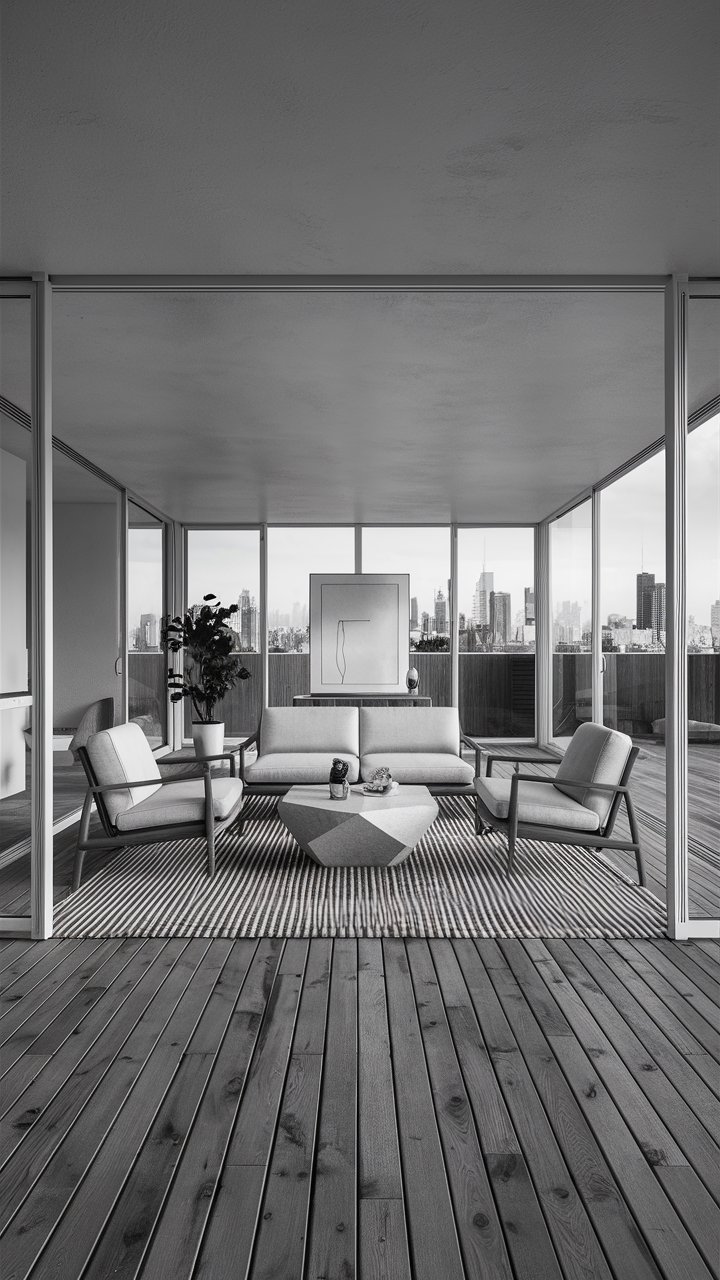
Mid-century modern minimalism is more than just a design trend; it’s a timeless aesthetic that blends simplicity, functionality, and elegance.
This style has endured the test of time, continuing to inspire homeowners and designers with its clean lines, organic shapes, and understated elegance.
If you’re looking to transform your living space into a serene and stylish haven, mid-century modern minimalism offers a perfect solution.
In this article, we’ll explore the fundamental principles of this design style and provide practical tips on how to incorporate it into your home.
Origins and Evolution of Mid-Century Modern Design
Understanding the origins of mid-century modern design helps in appreciating its lasting appeal. Emerging in the 1940s and flourishing through the 1960s, this style was a response to the post-World War II era’s desire for simplicity and practicality.
Influenced by the Bauhaus movement and Scandinavian design, mid-century modern design focuses on functionality, clean lines, and the use of natural materials.
Pioneers like Charles and Ray Eames, George Nelson, and Eero Saarinen revolutionized furniture design, creating pieces that are both aesthetically pleasing and highly functional.
Their work laid the foundation for what we now celebrate as mid-century modern minimalism, a design philosophy that prioritizes form and function without unnecessary embellishments.
Key Elements of Mid-Century Modern Minimalism
1. Clean Lines and Organic Shapes
The hallmark of mid-century modern minimalism is its emphasis on clean lines and organic shapes. This design style favors simplicity over ornateness, featuring geometric forms and smooth curves that create a sense of order and tranquility.
Furniture pieces typically have sleek profiles with minimal detailing, allowing the beauty of their form to shine through.
When selecting furniture for your home, look for items with straight lines and gentle curves. Sofas with tapered legs, chairs with ergonomic designs, and tables with smooth surfaces all contribute to the minimalist aesthetic.
These pieces not only enhance the visual appeal of your space but also provide a sense of harmony and flow.

2. Functional and Practical Design
At its core, mid-century modern minimalism is about functionality and practicality. Every piece of furniture and decor should serve a purpose and contribute to the overall utility of the space. This approach eliminates clutter and ensures that each item in your home is both beautiful and practical.
To achieve this, focus on multi-functional furniture that maximizes utility without compromising style. For example, consider a coffee table with hidden storage compartments or a sofa that doubles as a guest bed.
By prioritizing functionality, you can create a minimalist space that is efficient and visually appealing.

3. Natural Materials and Neutral Palettes
Natural materials are a cornerstone of mid-century modern minimalism. Wood, leather, metal, and glass are commonly used to add warmth and texture to the space.
These materials not only enhance the aesthetic appeal but also create a sense of connection with nature.
When decorating your home, opt for furniture and decor items made from natural materials. Incorporate wooden tables, leather chairs, and metal light fixtures to create a harmonious blend of textures.
Complement these materials with a neutral color palette consisting of whites, grays, and earthy tones to maintain a minimalist look.

4. Open Spaces and Natural Light
Mid-century modern minimalism thrives in open, airy spaces filled with natural light. The design philosophy emphasizes the importance of a seamless connection between indoor and outdoor environments.
Large windows, open floor plans, and strategically placed mirrors are key elements in achieving this effect.
To maximize natural light, use sheer curtains or blinds that allow sunlight to filter through. Arrange furniture to promote an unobstructed flow of light throughout the room.
Additionally, consider incorporating skylights or glass doors to further enhance the connection with the outdoors.

5. Minimal Decor and Thoughtful Accents
In mid-century modern minimalism, less is truly more. This design approach encourages the use of minimal decor and thoughtfully selected accents to create a cohesive and uncluttered space.
Each item should be chosen with intention and contribute to the overall aesthetic.
When accessorizing your home, focus on quality over quantity. Select a few statement pieces that reflect your personal style, such as a sculptural vase, a piece of abstract art, or a vintage lamp.
Avoid overcrowding surfaces and keep decorative items to a minimum to maintain a clean and minimalist look.

Practical Tips for Incorporating Mid-Century Modern Minimalism
1. Declutter and Simplify
The first step in embracing mid-century modern minimalism is to declutter and simplify your living space. Begin by evaluating your belongings and removing items that no longer serve a purpose or contribute to the overall aesthetic.
This process can be both liberating and transformative, allowing you to create a more intentional and serene environment.

2. Invest in Timeless Furniture
Investing in timeless, high-quality furniture is essential to achieving a mid-century modern minimalist look.
Focus on pieces that have stood the test of time and will continue to do so. Iconic mid-century modern furniture, such as the Eames Lounge Chair, the Noguchi Coffee Table, and the Saarinen Tulip Table, are excellent choices that embody the principles of this design style.

For minimalist furniture selections that align with mid-century modern aesthetics, explore our comprehensive buying guide for minimalist furniture
3. Create a Neutral Foundation
A neutral color palette serves as the foundation for mid-century modern minimalism. Use whites, grays, and earthy tones as the base colors for your walls, floors, and larger furniture pieces.
This neutral backdrop provides a sense of calm and allows your carefully selected accents and decor to stand out.

4. Incorporate Natural Elements
Bring the outdoors inside by incorporating natural elements into your design. Wooden furniture, potted plants, and stone accessories add warmth and texture to the space.
These natural elements create a sense of harmony and balance, enhancing the minimalist aesthetic.

5. Focus on Lighting
Lighting plays a crucial role in mid-century modern minimalism. In addition to maximizing natural light, incorporate a variety of lighting sources to create a warm and inviting atmosphere.
Use floor lamps, table lamps, and pendant lights with clean lines and simple designs. Opt for warm white bulbs to create a cozy and welcoming ambiance.

6. Choose Statement Art and Accessories
While minimalism advocates for fewer decor items, it does not mean your space should be devoid of personality.
Select statement art pieces and accessories that reflect your style and add visual interest to the room.
Abstract art, geometric sculptures, and vintage finds are excellent choices that complement the mid-century modern minimalist aesthetic.

Discover another minimalist design approach by exploring Japandi style: the perfect blend of Japanese minimalism and Scandinavian functionality.
7. Embrace Open Floor Plans
If possible, embrace an open floor plan that promotes a sense of flow and connectivity between different areas of your home.
This layout not only enhances the feeling of spaciousness but also allows for flexible and functional living spaces. Use furniture arrangement and area rugs to define distinct zones within the open plan.

8. Maintain Consistency
Consistency is key to achieving a cohesive mid-century modern minimalist look.
Stick to a limited color palette, choose furniture and decor items that share similar design elements, and maintain a consistent level of simplicity throughout your space.
This approach ensures a harmonious and visually pleasing environment.

Find the best home decor stores for sourcing mid-century modern decor items and minimalist furnishings in our detailed reviews and recommendations.
9. Add Textural Variety
While maintaining a minimalist aesthetic, it’s important to incorporate textural variety to prevent the space from feeling flat or sterile.
Mix different textures, such as smooth leather, cozy wool, and rough-hewn wood, to create visual interest and tactile richness. These textural contrasts add depth and dimension to the room.

10. Personalize with Vintage Finds
Incorporate vintage finds and family heirlooms to add character and personality to your mid-century modern minimalist home.
These unique pieces tell a story and create a sense of history and authenticity. Vintage furniture, decor items, and artwork can be seamlessly integrated into your design, adding a touch of nostalgia and charm.

Conclusion
Mid-century modern minimalism offers a timeless and elegant approach to interior design that emphasizes simplicity, functionality, and natural beauty.
By incorporating the core principles of clean lines, natural materials, and minimal decor, you can create a living space that is both sophisticated and serene.
Embrace the open, airy feel of this design style, and let each carefully chosen piece contribute to a cohesive and harmonious environment.
Whether you are furnishing a new home or renovating an existing space, mid-century modern minimalism provides a versatile and enduring framework for creating a stylish and inviting sanctuary.
Follow, Suscribe, Like and Share
Linda is a home décor enthusiast and the designer behind Linda Design Shop Co. She writes about beautiful interiors and creates bilingual wedding stationery for meaningful celebrations.
Trending Posts