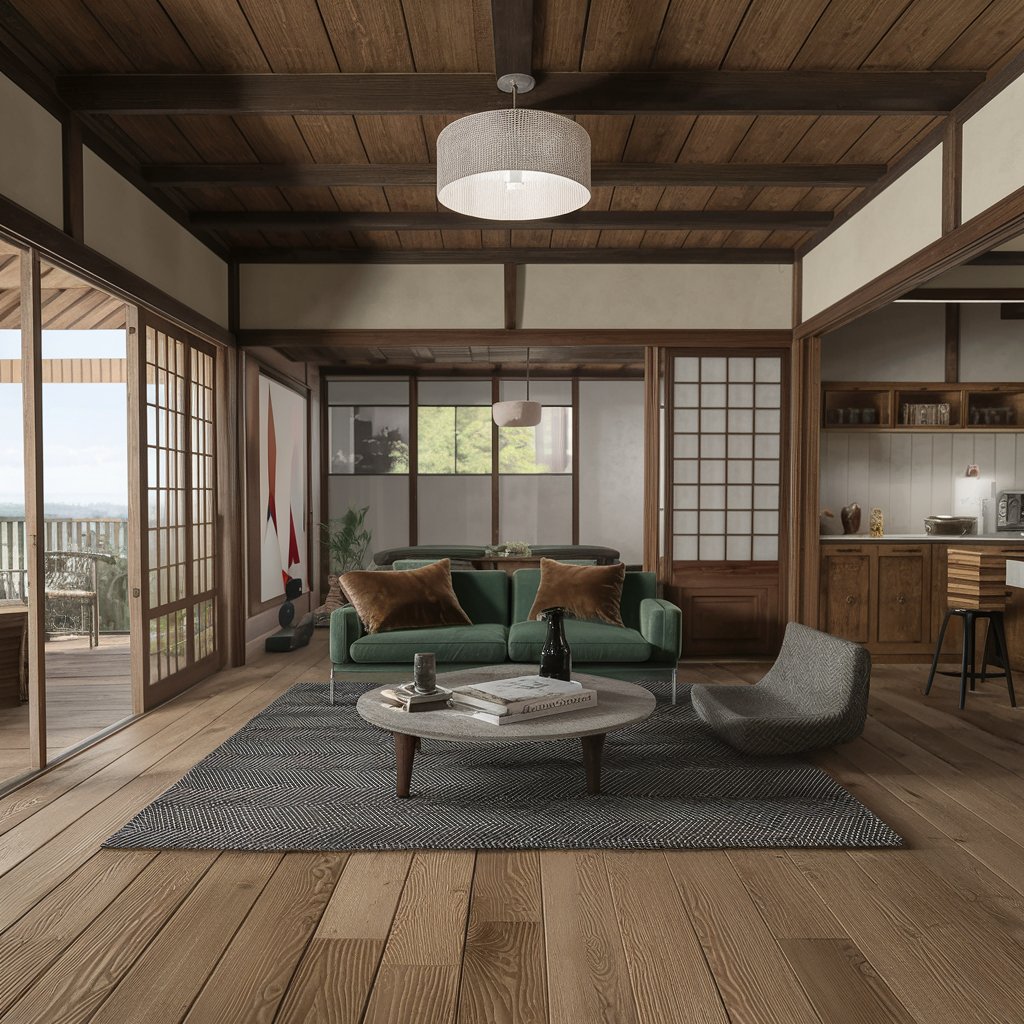
In the ever-evolving world of interior design, new trends constantly emerge, captivating the attention of design enthusiasts and homeowners alike.
One such trend that has been making waves in recent years is Japandi style, a unique fusion of Japanese minimalism and Scandinavian functionality.
This harmonious blend combines the best of both worlds, resulting in spaces that are not only aesthetically pleasing but also highly functional and serene.
In this detailed guide, we’ll explore the essence of Japandi style, its key characteristics, and practical tips on how to achieve this look in your home.
The Essence of Japandi Style
Japandi style is a hybrid design trend that seamlessly merges the simplicity and tranquility of Japanese minimalism with the warmth and coziness of Scandinavian design.
At its core, Japandi emphasizes a philosophy of simplicity, natural elements, and a deep appreciation for craftsmanship.
This style prioritizes functionality and sustainability while maintaining a strong sense of aesthetics and balance.
Key Characteristics of Japandi Style
- Simplicity and Minimalism Japandi spaces are characterized by clean lines, uncluttered spaces, and a “less is more” approach. The focus is on creating a serene environment that promotes relaxation and mindfulness. This is achieved by eliminating unnecessary decor and opting for a few carefully chosen pieces that serve both functional and decorative purposes.
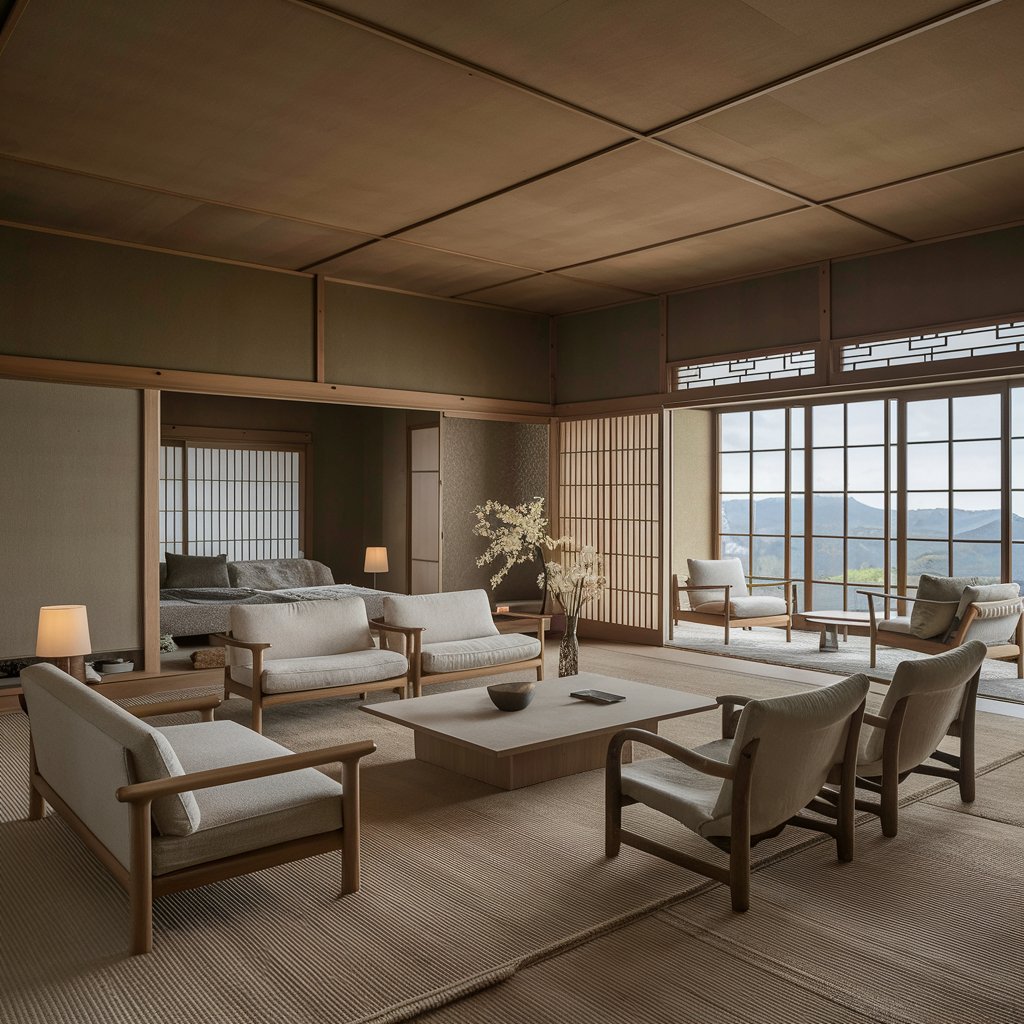
- Natural Materials and Textures Natural materials such as wood, bamboo, stone, and paper are integral to Japandi design. These materials bring warmth and texture to the space while maintaining a connection to nature. The use of natural elements creates a sense of tranquility and balance, which is essential to both Japanese and Scandinavian design philosophies.
- Neutral Color Palette The color palette in Japandi style is predominantly neutral, featuring shades of white, beige, gray, and soft pastels. These colors create a calming and soothing atmosphere, allowing the natural materials and textures to take center stage. The occasional use of black or dark accents adds contrast and depth to the design.
- Functional Furniture In Japandi interiors, furniture is chosen for its functionality and simplicity. Pieces are typically low to the ground, with clean lines and a focus on comfort. Scandinavian influences bring in multi-functional furniture that maximizes space, while Japanese design contributes elegant and timeless pieces that exude craftsmanship.
- Connection to Nature Both Japanese and Scandinavian designs have a strong connection to nature. This is reflected in the use of indoor plants, natural light, and open spaces. Incorporating elements such as bonsai trees, bamboo plants, or simple potted greenery can enhance the Japandi aesthetic and bring a touch of nature indoors.
- Craftsmanship and Quality Quality over quantity is a fundamental principle of Japandi style. The emphasis is on well-crafted, durable pieces that stand the test of time. This focus on craftsmanship ensures that each item in the space is thoughtfully chosen and contributes to the overall harmony of the design.
How to Achieve Japandi Style in Your Home
Now that we’ve explored the key characteristics of Japandi style, let’s dive into practical steps on how to achieve this look in your own home.
Whether you’re starting from scratch or looking to incorporate elements of Japandi into your existing decor, these tips will guide you in creating a serene and functional space.
Declutter and Simplify
The first step in embracing Japandi style is to declutter your space. This involves removing unnecessary items and focusing on a few essential pieces that serve a purpose.
Start by evaluating each room and identifying items that can be donated, sold, or discarded. The goal is to create an uncluttered and organized environment that promotes relaxation and mindfulness.
Choose a Neutral Color Palette
Selecting the right color palette is crucial in achieving the Japandi look. Stick to neutral shades such as white, beige, gray, and soft pastels.
These colors create a calming backdrop that allows natural materials and textures to shine. You can add depth and contrast by incorporating black or dark accents, but be sure to do so sparingly.
Incorporate Natural Materials
Integrating natural materials is essential in Japandi design. Consider using wood for furniture, flooring, and accents. Bamboo, stone, and paper are also excellent choices for adding texture and warmth to your space.
For example, a wooden dining table paired with bamboo chairs and stoneware dishes can create a harmonious and inviting dining area.
Opt for Functional Furniture
When selecting furniture for a Japandi-inspired space, prioritize functionality and simplicity. Look for pieces with clean lines and a minimalist design.
Low-profile furniture, such as a platform bed or a low-slung sofa, can enhance the sense of openness and tranquility.
Additionally, consider multi-functional furniture that maximizes space, such as a coffee table with built-in storage or a sofa bed.
For minimalist furniture pieces that perfectly fit the Japandi aesthetic, explore our comprehensive buying guide for minimalist furniture.
Embrace Natural Light
Natural light plays a crucial role in Japandi design, as it enhances the connection to nature and creates a bright, airy atmosphere.
Maximize natural light by keeping windows unobstructed and using sheer curtains or blinds. If your space lacks natural light, consider incorporating light fixtures that mimic natural light, such as warm LED bulbs or pendant lights with a soft glow.
Add Indoor Plants
Indoor plants are a staple in Japandi interiors, as they bring a touch of nature indoors and enhance the sense of tranquility.
Choose simple and low-maintenance plants, such as bonsai trees, succulents, or potted greenery. Place them strategically throughout your space, ensuring they complement the overall design without overwhelming it.
Focus on Craftsmanship
Quality craftsmanship is a hallmark of Japandi style. Invest in well-made, durable pieces that showcase attention to detail and craftsmanship.
Look for furniture and decor items that are crafted from natural materials and feature clean lines and a timeless design. This focus on quality ensures that your space remains stylish and functional for years to come.
Create a Sense of Balance
Achieving a sense of balance is essential in Japandi design. This involves harmonizing different elements, such as color, texture, and furniture placement, to create a cohesive and serene environment.
Avoid overcrowding your space with too many items or competing colors. Instead, aim for a balanced and harmonious look that promotes relaxation and mindfulness.
Japandi Style Room-by-Room Guide
To help you bring Japandi style to every corner of your home, we’ve put together a room-by-room guide with practical tips and ideas.
Living Room
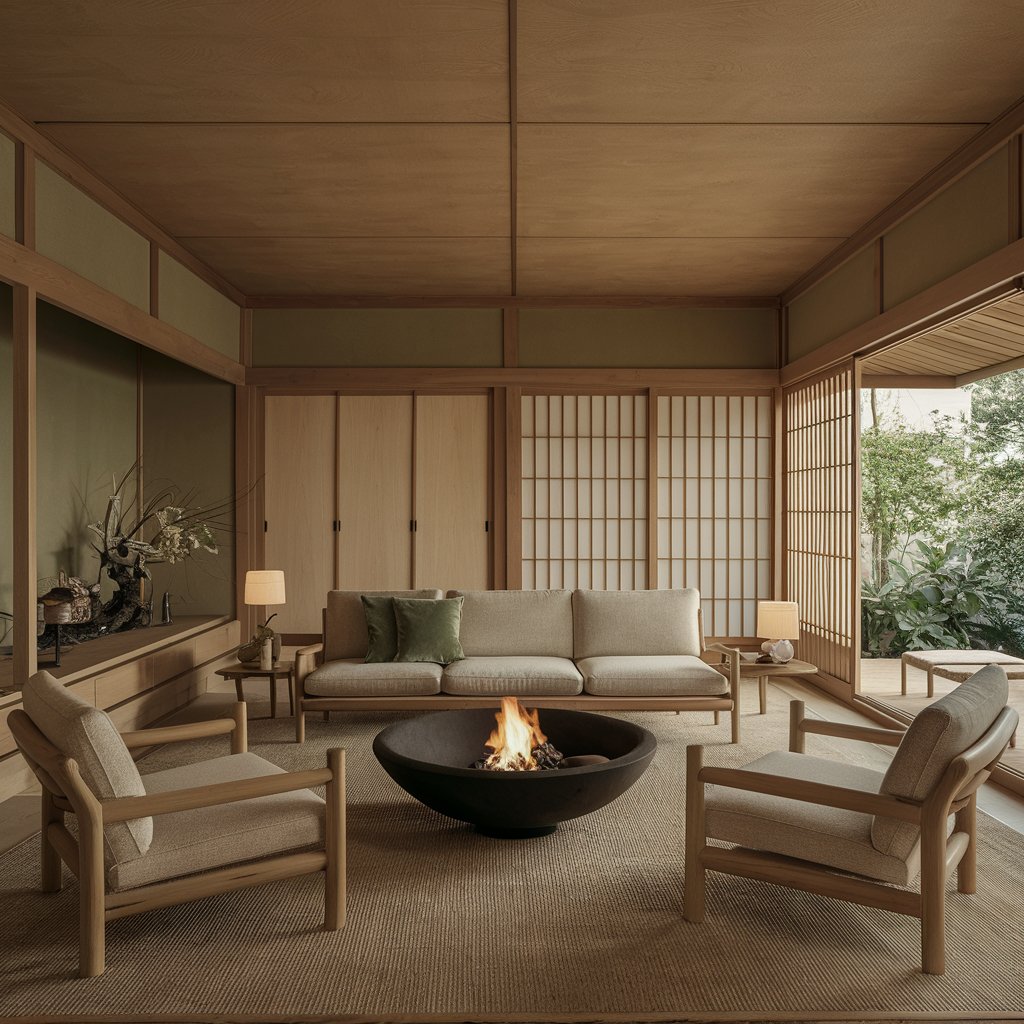
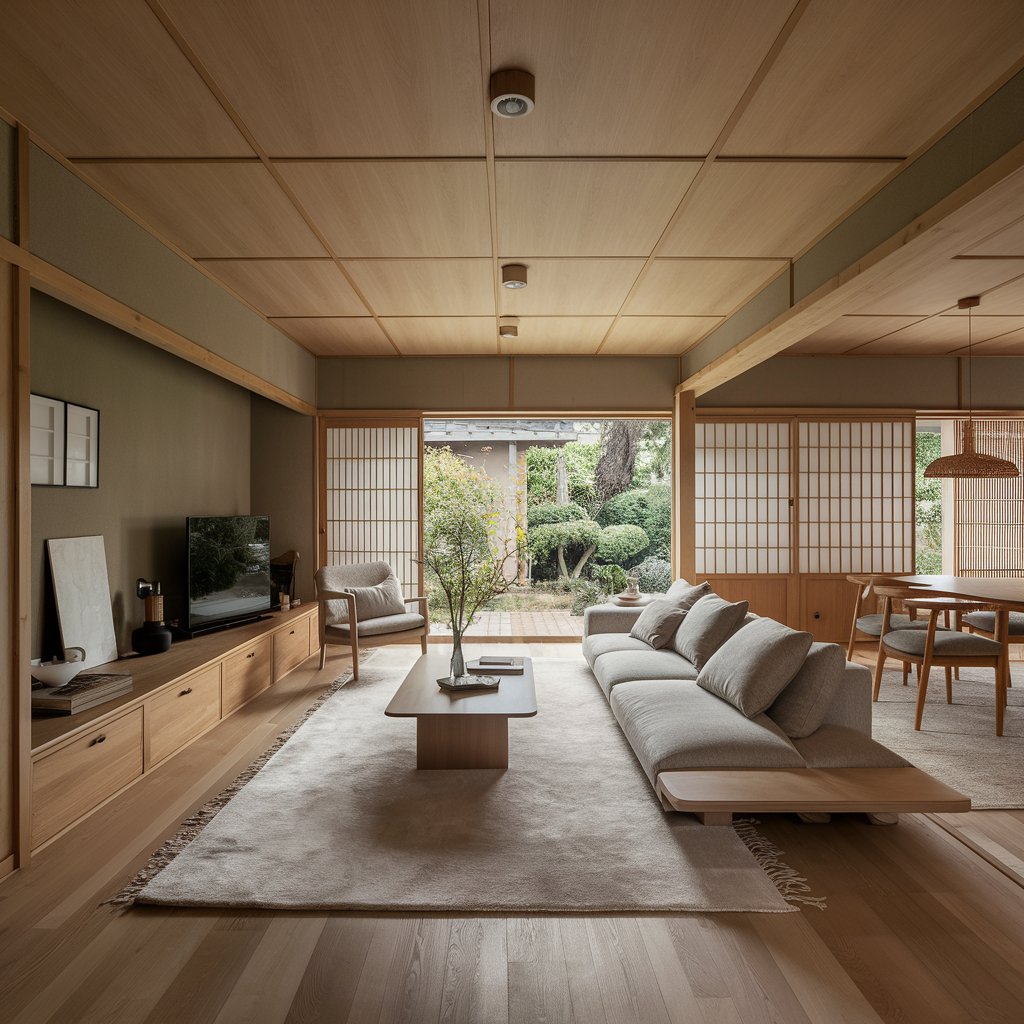
The living room is often the heart of the home, and it’s the perfect place to showcase Japandi style. Start with a neutral color palette and incorporate natural materials such as wood and stone.
Opt for a low-profile sofa with clean lines and pair it with a simple coffee table and minimalist shelving. Add indoor plants and soft textiles, such as linen or cotton, to enhance the sense of coziness and tranquility.
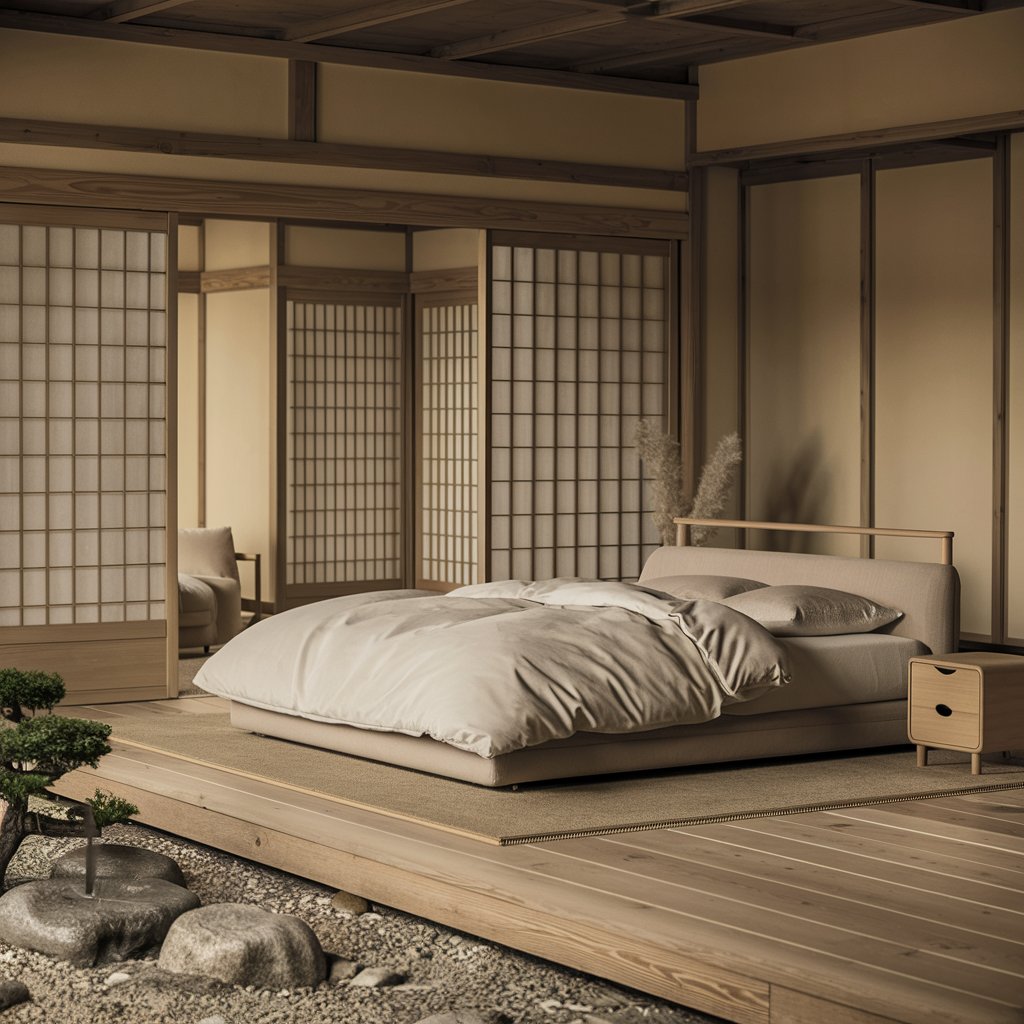
Bedroom
In the bedroom, focus on creating a serene and restful environment. Choose a low platform bed with a simple design and natural materials. Use neutral bedding and add texture with a wool or cotton throw.
Keep the decor minimal, with a few carefully chosen items such as a wooden nightstand, a ceramic lamp, and a small potted plant. Maximize natural light and ensure the space is clutter-free to promote relaxation and mindfulness.
Kitchen
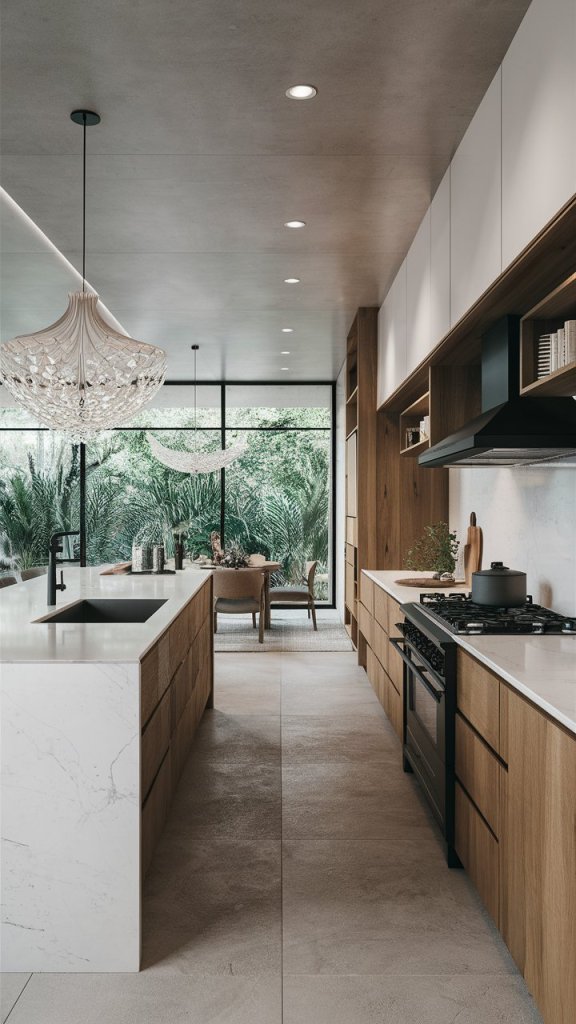
The kitchen is a functional space, and Japandi style can enhance its efficiency and aesthetics. Opt for wooden cabinets and open shelving to create a warm and inviting atmosphere. Use stone or ceramic countertops and incorporate simple, functional kitchenware.
Keep the color palette neutral and add natural textures with wooden cutting boards, ceramic dishes, and linen towels. Ensure the space is well-organized and free of clutter.
Delve deeper into Scandinavian design principles by reading our article on designing a Scandinavian kitchen embracing minimalism and functionality.
Bathroom
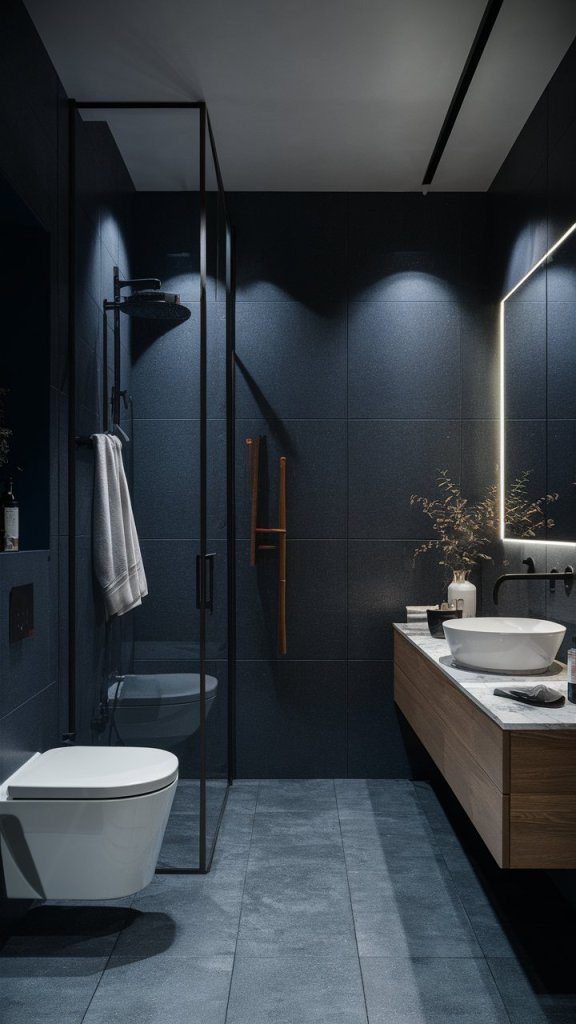
In the bathroom, Japandi style can create a spa-like retreat. Choose natural materials such as wood, stone, and bamboo for fixtures and accents. Use a neutral color palette and add texture with soft towels and a wooden bath mat.
Incorporate simple, functional storage solutions to keep the space organized and clutter-free. Enhance the sense of tranquility with indoor plants and soft, diffused lighting.
Home Office
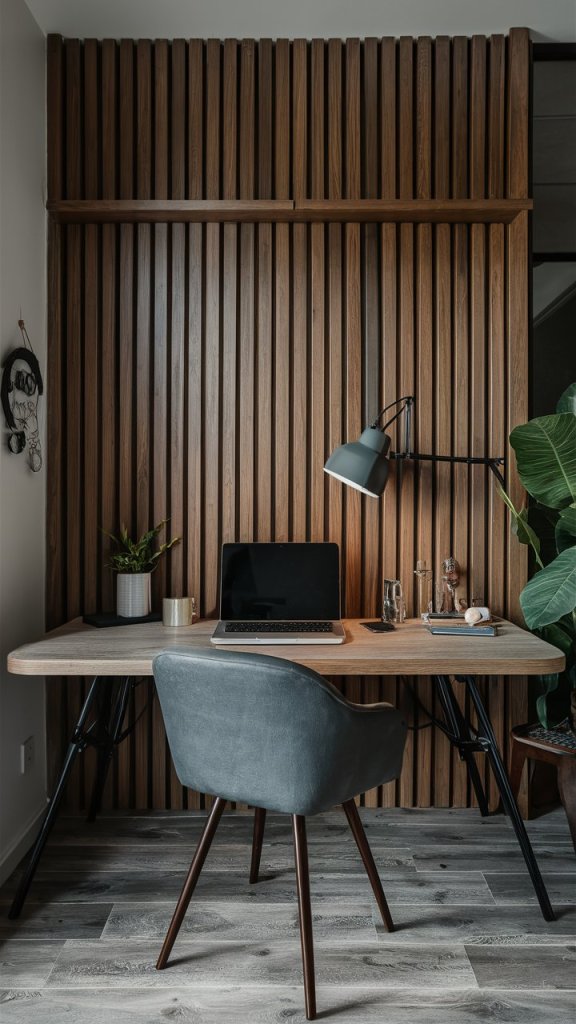
For a Japandi-inspired home office, focus on creating a functional and serene workspace. Choose a simple wooden desk and a comfortable, ergonomic chair. Keep the color palette neutral and add natural textures with a wooden desk organizer and a linen chair cushion.
Maximize natural light and incorporate indoor plants to enhance the connection to nature. Ensure the space is well-organized and free of distractions to promote productivity and mindfulness.
Discover another approach to minimalist interior design by exploring mid century modern minimalism: a timeless fusion of style and simplicity.
Conclusion
Japandi style is a beautiful and harmonious blend of Japanese minimalism and Scandinavian functionality. By focusing on simplicity, natural materials, and quality craftsmanship, you can create a serene and functional space that promotes relaxation and mindfulness.
Whether you’re looking to transform your entire home or incorporate elements of Japandi into your existing decor, this guide provides practical tips and ideas to help you achieve the look. Embrace the principles of Japandi style and enjoy the timeless elegance and tranquility it brings to your home.
Follow, Share, Like and Suscribe!
 Linda Designs | Home Decor, Interior Design & Lifestyle Inspiration