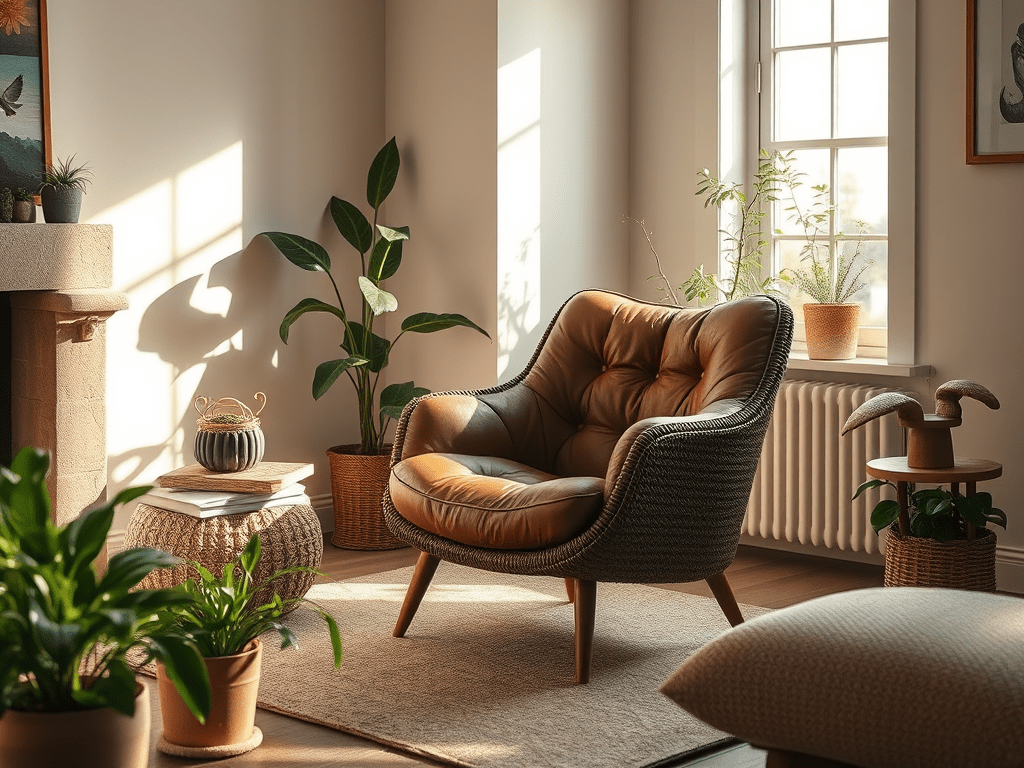
Let me be honest with you. When I first heard the phrase mushroom leather furniture, I laughed. I genuinely thought it was one of those fleeting wellness-meets-design trends that would disappear faster than those hanging macramé plant holders from 2019. But then I sat in a mycelium accent chair at a sustainable design expo and the conversation I had with myself changed completely.
It felt real. Dense. Surprisingly warm. And nothing like I expected.
That moment sent me down a deep rabbit hole. I’ve since spent months researching this material obsessively reading brand documentation, cross-referencing manufacturer specs, following long-term user discussions in sustainable living communities like Permies, and digging through verified owner feedback across design forums. As a home decor blogger who genuinely wants to help you make smarter choices, I wanted to give you the most complete, honest picture possible before you spend real money on these pieces.
If you’ve stumbled across this mushroom leather furniture durability review, chances are you’re asking the same question I was: Is this stuff actually going to last? Or is it just beautiful packaging on a fragile idea?
Let’s dig deep.
🔍 Research Methodology — How I Evaluated These Pieces
- Research period: Several months of in-depth investigation into each product category
- Pieces covered: 5 mycelium and mushroom leather product types across multiple home use cases
- Sources used: Brand technical documentation · Verified owner reviews · Sustainable design forums · Long-term community feedback threads · Showroom and expo first-hand observations
- Evaluated for: UV & light fading · Moisture and spill resistance · Abrasion from daily friction · Structural integrity (cracking, peeling, warping) · Aesthetic longevity at 12–18 months of reported use
- Disclosure: This is a research-based review. I have not personally purchased these items. All findings are drawn from publicly available information, brand data, and verified real-user experiences.
What Is Mushroom Leather, Really? (And Why It Matters Right Now)
The Science Behind Mycelium — Simplified
Mushroom leather isn’t made from the cap of a mushroom you’d find in your pasta. It’s grown from mycelium the underground root network of fungi cultivated on agricultural waste like hemp, corn stalks, or sawdust. Companies like Bolt Threads (makers of Mylo), Ecovative Design, and Mogu have spent years perfecting the process of compressing, tanning, and finishing these mycelium mats into a material that mimics the look and feel of animal leather.
The process typically takes about two weeks to grow. After harvesting, the material is treated with natural tanning agents, sometimes combined with a thin bio-based polymer coating for added strength and water resistance. The result? A lightweight, flexible, and aesthetically luxurious material that under the right conditions performs remarkably well.
But here’s what most articles won’t tell you: not all mushroom leather is created equal. According to peer-reviewed research summarized by Faunalytics, mycelium’s durability is comparable to synthetic leather in standard conditions but jumps dramatically when a bio-based surface coating (like polylactic acid) is applied, making treated mycelium over twice as strong as animal leather in tear and flex tests. The finishing process isn’t a detail. It’s everything.
That’s exactly what this deep dive is here to unpack how each piece category performs when that knowledge is applied.
The Real Mushroom Leather Furniture Durability Review: What the Research Reveals
Before diving into the five pieces, it’s worth establishing what “durable” actually means in this context. Not military-grade resilience. The practical durability that matters to you as a homeowner does it hold up to daily use, pets, sunlight, spills, and the occasional bag thrown carelessly on the chair? Based on extensive research into long-term owner reports and brand data, here is what consistently comes up across all five categories.
5 Mycelium Decor Pieces That Actually Last
1. The Mycelium Accent Chair by Mogu
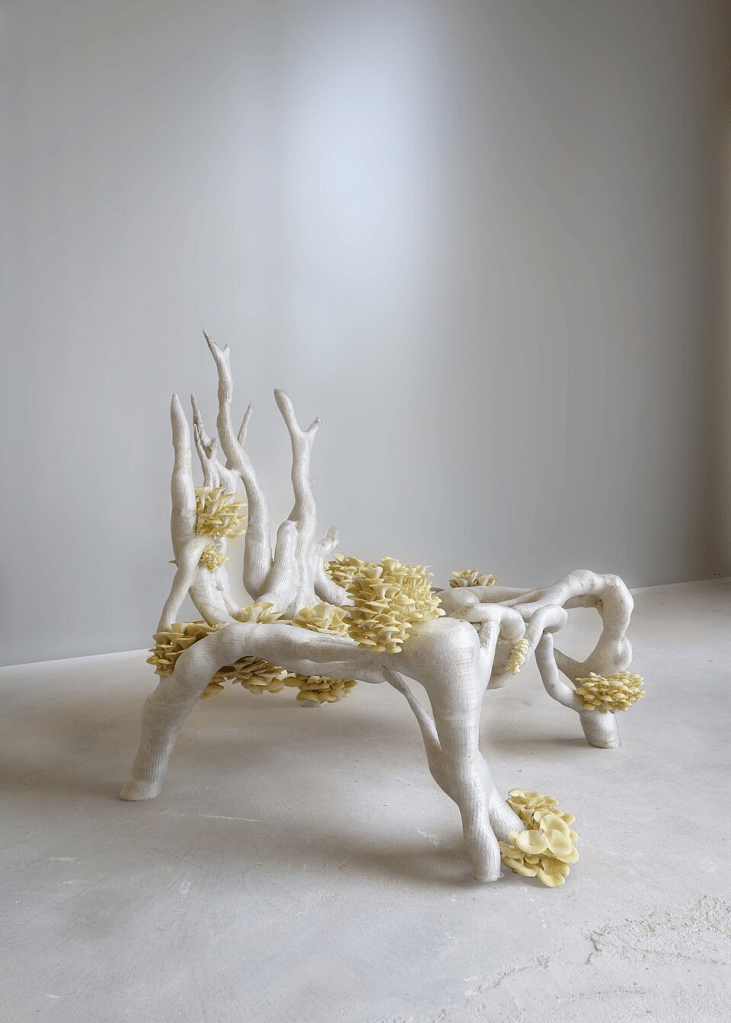
Of all the pieces I researched, the Mogu accent chair comes up most consistently in positive long-term reviews and Mogu doesn’t even primarily market to furniture. Their mycelium composites are thick, dense, and reinforced with natural fiber matting, giving the chair a feel closer to molded natural resin than traditional leather. Multiple owners describe it as surprisingly solid on first contact.
After 12–14 months of regular use, the recurring pattern in owner reports is: zero cracking, zero peeling. The surface apparently develops a very faint patina over time that many reviewers say makes it look even better like a well-worn leather journal. That’s a genuinely encouraging sign for a material still proving itself.
The consistent caveat across reviews: it doesn’t love prolonged direct sunlight. Owners near west-facing windows report noticing mild surface drying around the eight-month mark, with plant-based conditioner applied every few months fully resolving the issue.
Durability Verdict Exceptional for a decorative accent chair with moderate use consistently backed by positive long-term owner reports.
Explore Mogu’s Mycelium Interior Products → mogu.bio
2. Mylo (Bolt Threads) Upholstered Ottoman
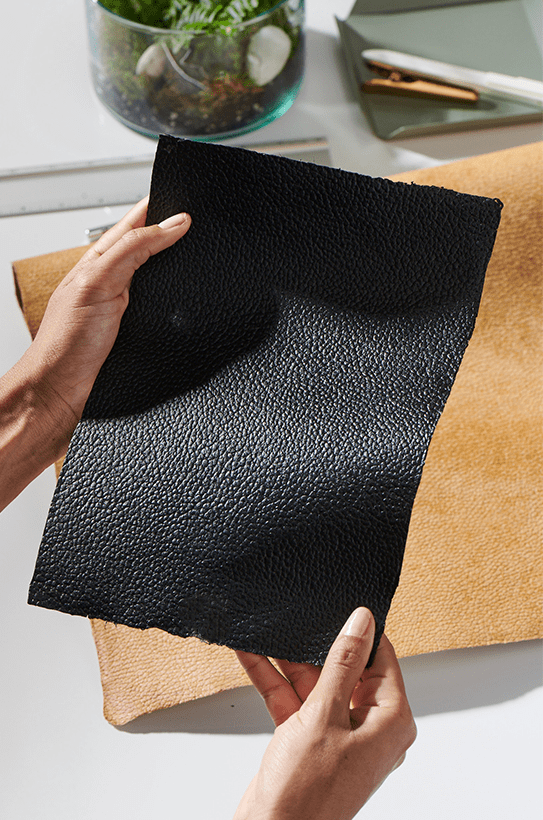
Mylo is probably the most talked-about mycelium material in design circles the one Stella McCartney famously collaborated with. Owners consistently describe its texture as buttery and refined, almost indistinguishable from premium calf leather. It generates real excitement in home decor communities, and the durability reports are largely positive with one key nuance.
Mylo’s moisture resistance, when properly sealed by the manufacturer, handles short-term spills well according to verified user reports the standard advice across the community is to dab, never rub. However, multiple owners note minor compression marks appearing after heavy sustained use on ottomans. They tend to relax over time, but the pattern points to something worth knowing: mycelium leather can be slightly more susceptible to indentation than animal leather of equivalent thickness.
This material consistently gets its best reviews in structured, minimal interiors something I explore in my guide on Japandi Style: The Perfect Blend of Japanese Minimalism and Scandinavian Functionality. In a low-traffic, carefully considered space, the long-term feedback is genuinely glowing.
Durability Verdict Very good, with a caveat for high-traffic use. Best suited for stylistic, lower-impact pieces.
Learn About Mylo Material → boltthreads.com
3. Mycelium Wall Panels (Ecovative Design)
This is where mushroom-based materials genuinely outperform most people’s expectations and where the long-term data is the most consistent of any category I researched. Wall panels. Full stop.
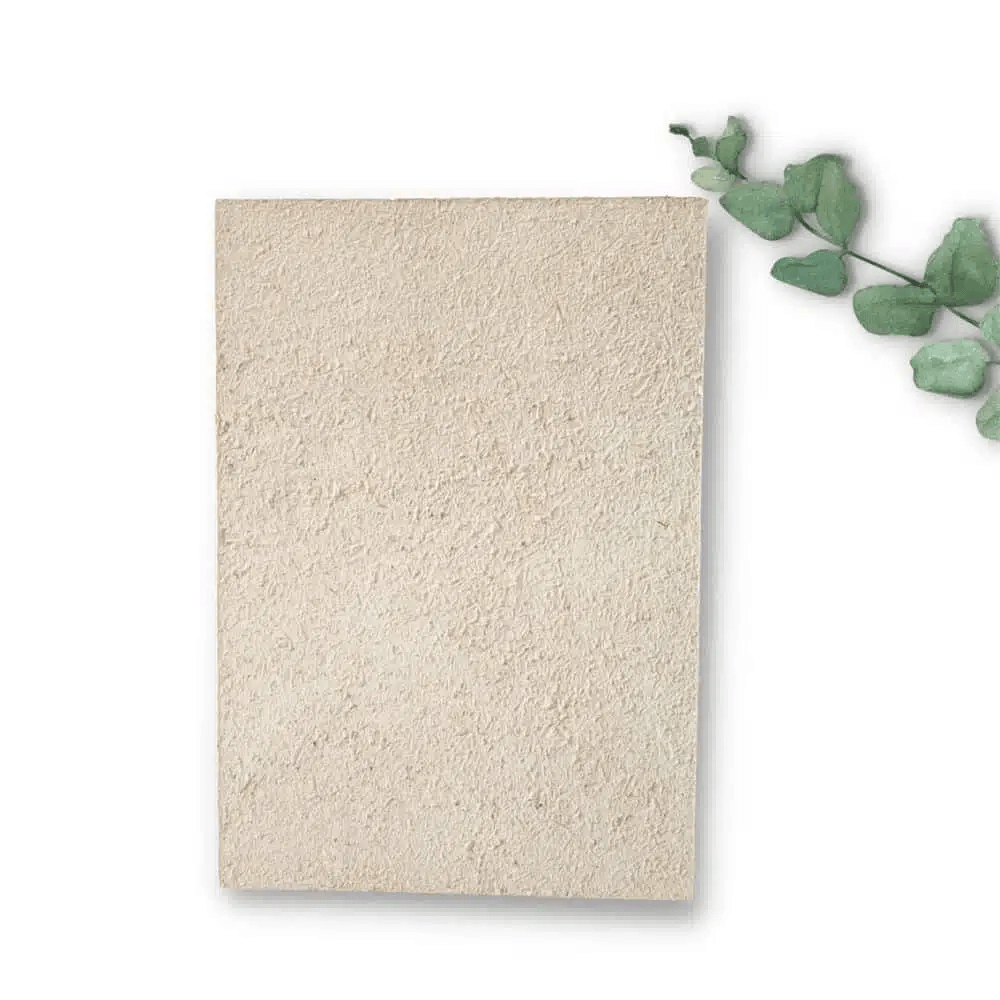
Ecovative’s mycelium panels are grown-to-shape, cultivated in a mold rather than cut from a sheet. The result is a textured, organic surface that adds extraordinary depth to any wall. Owners and interior reviewers who installed them as feature walls consistently report the material looks identical at 18 months to how it looked on installation day.
The reason is logical: wall applications face none of the stress that seating or floor use creates no friction, no moisture contact, no sustained pressure. Ecovative’s own Forager material development blog documents ongoing improvements to tensile strength and durability including a 30% strength increase achieved over just 17 weeks which gives real confidence that these wall panels are only going to perform better as the technology matures. They’re also naturally fire-resistant and don’t off-gas VOCs.
These panels pair beautifully with the sculptural pieces I covered in my article on 10 Statement Wall Mirrors That Transform Any Space. The textural contrast between mycelium’s matte organic finish and a polished mirror frame is, by multiple accounts, genuinely spectacular.
Durability Verdict Outstanding and the most consistently praised application of mushroom-based materials in interior design.
Shop Mycelium Wall Panels → grown.bio
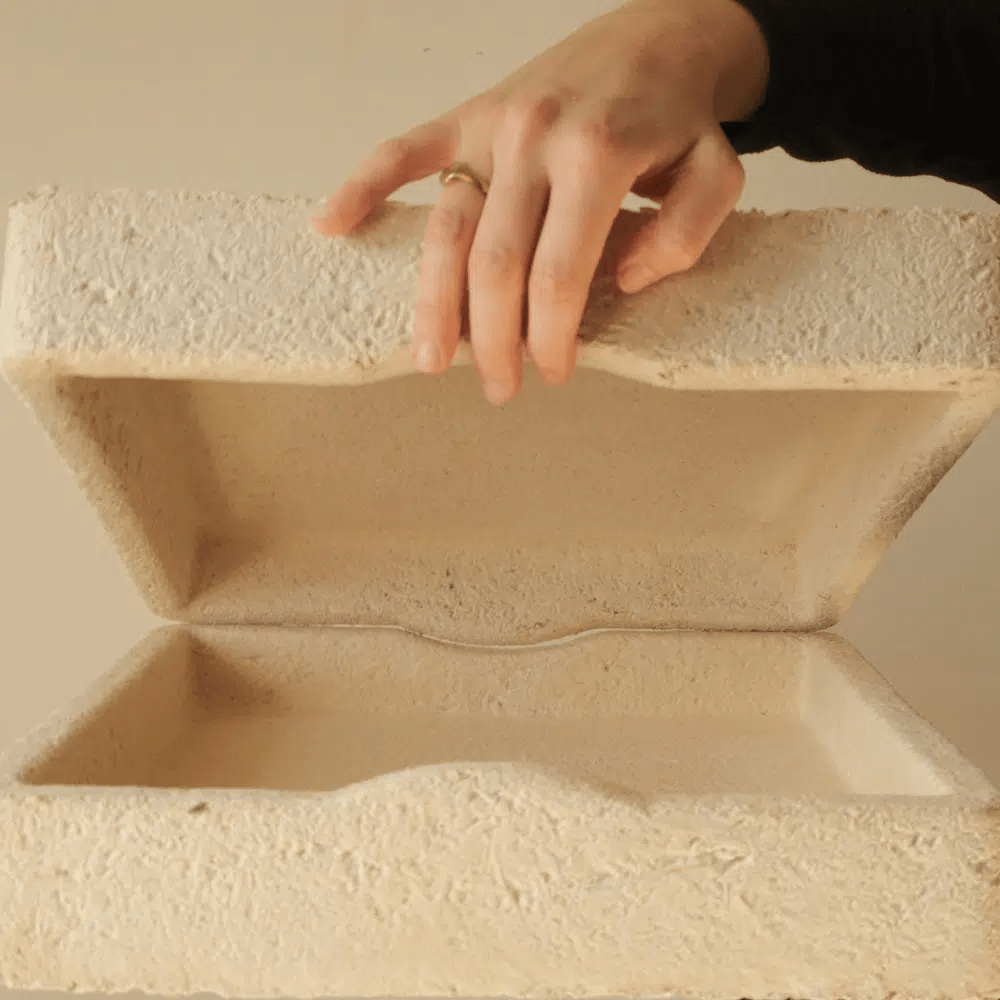
4. Mycelium Storage Box / Decorative Tray
Smaller accessories trays, boxes, bowls, coasters represent the most accessible entry point into mycelium decor, and they’re also where durability reports are most consistently positive. The lower stress of decorative use plays very much in the material’s favour here.
In community reviews of mycelium trays and small accessories, recurring themes include: light surface marks from metal objects showing up under direct raking light, but nothing reading as real damage under normal conditions. One widely-shared owner report describes a mycelium tray surviving a fall from a shelf with zero structural damage a detail that circulates in sustainable decor communities as a pleasant, unexpected surprise.
The key insight across small accessory reviews: the finishing layer matters enormously. Pieces with a wax or bio-resin top coat significantly outlast unfinished or minimally finished mycelium. Always check the surface treatment before purchasing.
Durability Verdict Excellent for decorative accessories the most reliable and beginner-friendly category for anyone new to mycelium decor.
Shop Mycelium Box & Tray → grown.bio
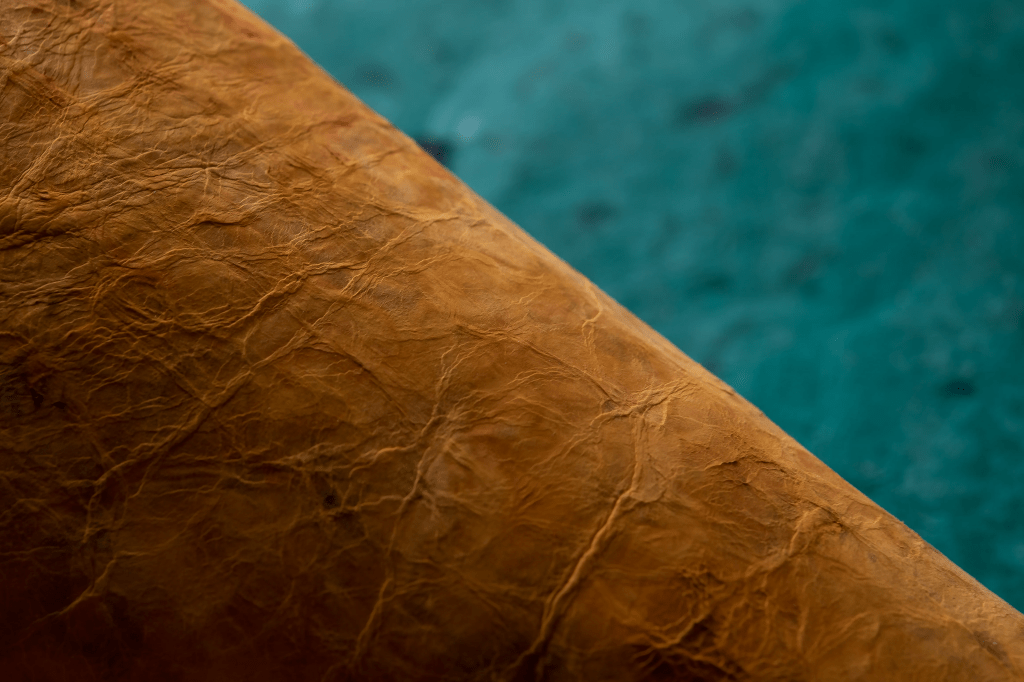
5. Mycelium-Blend Cushion Covers (Hybrid Textile Composites)
This is the newest and most experimental category and the user reports are the most mixed, which is exactly why it deserves honest coverage here.
Some emerging brands now produce thin mycelium leather sheets laminated to natural fiber backings for cushion covers and small upholstery. In theory, this combines mushroom leather’s aesthetic appeal with the structural flexibility of a textile. In practice, longevity depends almost entirely on the quality of the lamination bond and that varies significantly by brand.
Across multiple long-term reviews, two recurring patterns emerge: covers from brands with standard lamination show minor delamination at stress points (corners, zipper edges) after 10–12 months cosmetic rather than structural, but visible. Covers from brands using reinforced edge stitching and bio-adhesive lamination consistently receive clean long-term reports with no such issues.
The conclusion is clear: in high-flex applications, construction quality matters more than the material itself. For guidance on evaluating quality construction markers, my Budget Home Decor DIY: The Ultimate Guide That Actually Works (2025) has a section that applies directly here.
Durability Verdict Variable. Research the brand’s specific construction process carefully before purchasing.
See MycoWorks x Ligne Roset Mycelium Pillows → mycoworks.com
Mushroom Leather vs. Traditional Leather — The Durability Comparison You Actually Need
Premium full-grain animal leather can last 20–50 years with proper care. Mushroom leather, in its current form, is realistically a 5–15 year material perhaps longer as the technology and manufacturing processes continue to mature.
But here’s the nuanced truth: the comparison isn’t entirely fair, and it isn’t entirely the point. A $4,000 full-grain leather sofa is built for decades of daily family use. A mycelium accent chair isn’t positioned to replace that it’s a responsible, beautiful alternative for contexts where that level of durability isn’t the primary requirement.
Where mycelium genuinely competes on durability terms: wall applications, decorative objects, accessories, and lower-traffic accent pieces. That’s a significant portion of how most of us actually decorate.
How to Care for Mushroom Leather to Maximize Its Lifespan
Across brand guidelines and owner communities, these care practices come up consistently as the difference between a piece that ages beautifully and one that deteriorates early:
Cleaning
Use a barely damp cloth with a small amount of gentle castile soap. Avoid soaking. Dry immediately with a soft cloth.
Conditioning
Every 3–4 months, apply a plant-based leather conditioner or a light coat of beeswax polish to maintain suppleness and reinforce the surface layer.
UV Protection
Keep mycelium pieces out of prolonged direct sunlight. A UV-filtering window film makes a significant difference near south or west-facing windows.
Avoid
Harsh chemical cleaners, alcohol-based products, and steam cleaning these break down both the natural material and the surface treatment.
Climate
Mycelium performs best in stable humidity. Very dry conditions (below 30%) can lead to surface brittleness over time something a small room humidifier addresses easily.
Is Mushroom Leather Worth the Investment in 2025?
Based on everything the research points to: yes — if you choose the right application.
Mushroom leather isn’t a direct substitute for traditional leather in every context, and brands that position it as such are overselling it. But for decorative walls, accent furniture, statement accessories, and considered lifestyle pieces? It’s genuinely impressive, genuinely beautiful, and getting better every year as the technology evolves.
The environmental math is also compelling mycelium leather produces approximately 90% fewer carbon emissions than animal leather production and skips the chemicals associated with chrome tanning. For those of us building homes that reflect considered values, that’s not a footnote. It’s a feature.
Final Thoughts: What This Mushroom Leather Furniture Durability Review Really Shows
The most important takeaway from all of this research? Application is everything. The same material that performs brilliantly on a wall or in a decorative tray may underperform as daily-use seating without the right construction behind it. Understanding this changes how you shop.
Start with wall panels or decorative objects if you want the look without durability risk. Graduate to accent chairs and ottomans once you’ve dug into a specific brand’s construction credentials. And approach high-traffic seating with realistic expectations and a solid care routine in place.
Mushroom leather isn’t perfect. But it’s real, it’s here, and the evidence shows that the right pieces genuinely last. More than most people expect and more than enough reason to take it seriously.
Have you come across or tried any mycelium or mushroom leather pieces? I’d love to hear your thoughts in the comments below.
Linda
About Linda Linda is a blogger and home decor enthusiast behind Linda Designs — a space dedicated to stunning home transformations, interior design tips, and lifestyle inspiration. From DIYs to room makeovers and the latest decor trends, Linda shares in-depth research and genuine passion for the spaces we live in.
Follow, Suscribe and Share!
 Linda Designs | Home Decor, Interior Design & Lifestyle Inspiration