- What Is Color Drenching and Why Spring Demands a Completely Different Approach?
- Choosing Your Pastel: Sophisticated Pastel Color Drenching Ideas That Actually Elevate a Space
- The Layering Method: Building Monochrome Depth That Actually Works
- Room-by-Room Spring Drenching: Where to Start and What to Prioritise
- What Actually Separates ‘Sophisticated’ from ‘Easter Basket’?
- Common Color Drenching Mistakes and How to Avoid Them
- Final Thoughts: Spring Drenching Is an Exercise in Confidence
- Frequently Asked Questions: Mastering the Pastel Drench
Spring arrives and, with it, the familiar temptation: swap the moody winter palette for something lighter, airier, softer. Predictable? Maybe. But here’s what most interior guides won’t tell you
done wrong, pastel color drenching looks like the inside of a candy shop. Done right, it becomes the most quietly powerful design statement in any room.
I’ve been deep in this trend all season. Testing paint chips. Living with lavender walls. Arguing with myself over whether that sage green duvet was ‘sophisticated’ or ‘nursery adjacent.’ After all of that? I have answers. Real, practical, tested answers — and I’m laying them out here, start to finish.
| 🌸 Quick Tips: Pastel Color Drenching Without the Easter Look Want the sophisticated version of this trend? Keep these six rules front of mind: Choose dusty, grey-leaning pastels — avoid anything with pink, orange, or bright undertones. Drench every surface — walls, trim, and ceiling in the same colour family (lightest on ceiling). Layer with texture, not colour — velvet, linen, plaster, rattan all read differently under the same hue. Stick to one pastel family only — mixing multiple pastels is the fastest route to an Easter-basket aesthetic. Add one unexpected anchor — a dark walnut shelf, an aged brass lamp, or a charcoal throw signals intention. Vary paint sheens — matte on walls, eggshell or satin on trim, to prevent a flat, lifeless finish. |
What Is Color Drenching and Why Spring Demands a Completely Different Approach?
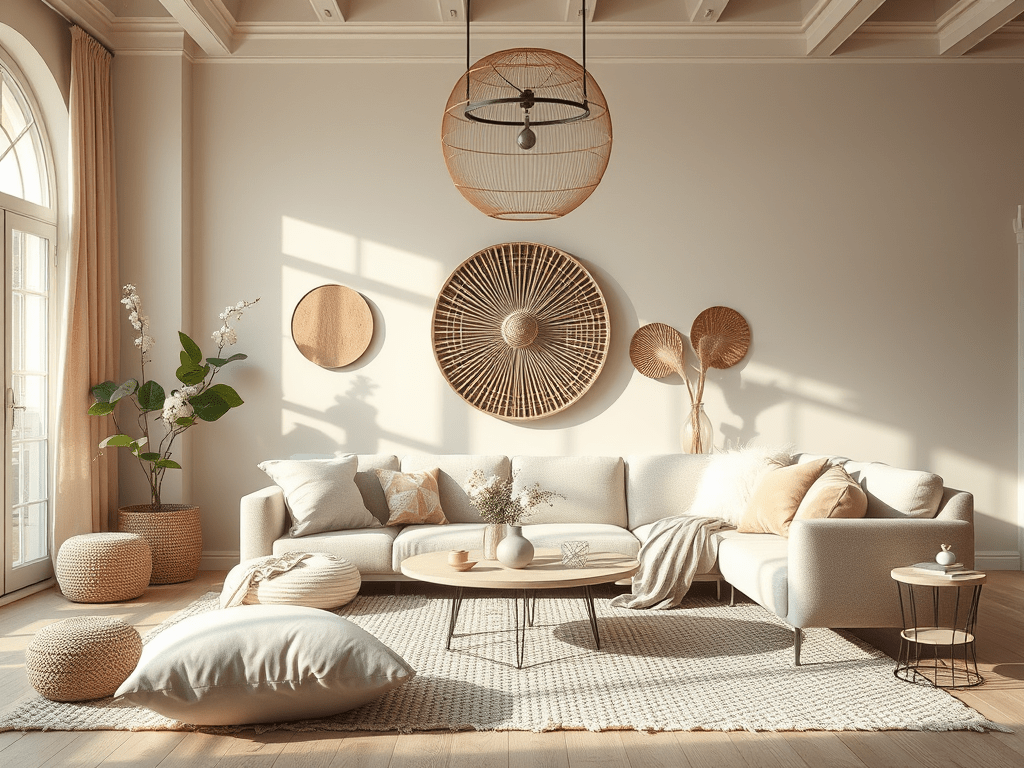
Color drenching, if you’re new to the concept, means enveloping an entire room in a single color family walls, trim, ceiling, often the furniture too. No relief. No white molding. No contrasting accent wall. Just one unified, immersive hue wrapping every surface.
I walked through the full process in my Complete Room-by-Room Color Drenching Guide go there if you want the full methodology. But the reason spring drenching is a different beast entirely comes down to one word: lightness.
Dark, jewel-toned drenching (think the deep emeralds and burgundies I covered in my Fall Color Drenching piece) creates drama through depth. Pastels don’t have that luxury. They create drama or fail to through nuance. Through layering. Through the very slight variations in tone and texture that keep the eye moving rather than glazing over.
The Difference Between Drenching and Just… Painting Everything Beige
Here’s where a lot of well-intentioned spring redecoration goes sideways. Pale walls plus pale furniture plus pale linen doesn’t automatically become ‘color drenching.’ It becomes beige limbo a space that feels neither intentional nor comfortable.
True monochrome drenching in pastel tones requires what I call tonal architecture: a deliberate hierarchy where your lightest tone, your mid-tone, and your shadow tone each have a specific role. More on that in a moment. First, the colour itself.
Choosing Your Pastel: Sophisticated Pastel Color Drenching Ideas That Actually Elevate a Space
Not all pastels are created equal. This is the single most important thing to understand before you commit to a colour. Some pastels the wrong ones will immediately read as juvenile, seasonal, or budget. Others carry an inherent gravitas that makes a room feel deliberately, artfully designed.
The Undertone Rule Nobody Talks About
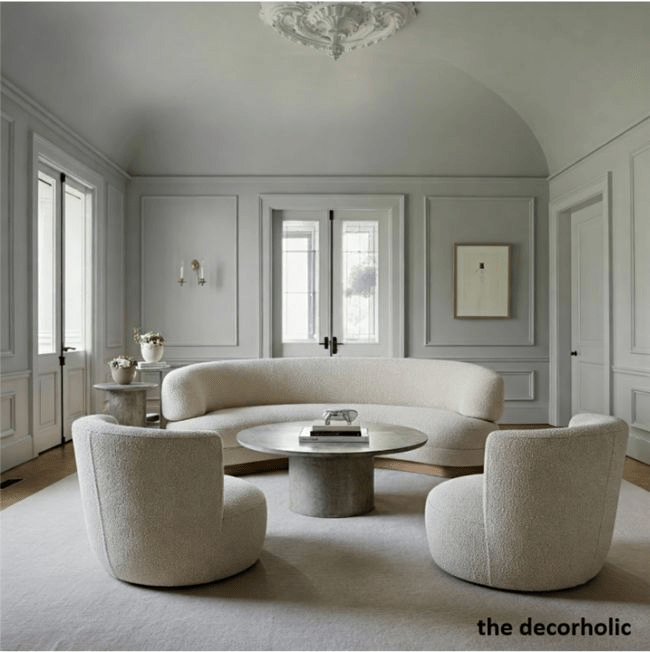
Every pastel has an undertone. And that undertone is everything. A dusty rose with a grey undertone reads as sophisticated. A rose with an orange or pink undertone reads as Valentine’s Day. A sage green with grey reads as Provençal and considered. A mint with blue reads as hospital corridor.
When you’re sourcing paint and I have a full breakdown of how to evaluate undertones in my Ultimate Guide to Choosing Paint Colors always test chips under the actual light conditions of your room. Morning light. Afternoon light. Lamplight. They will all read differently.
Which Pastels Actually Work for a Sophisticated Monochrome Scheme
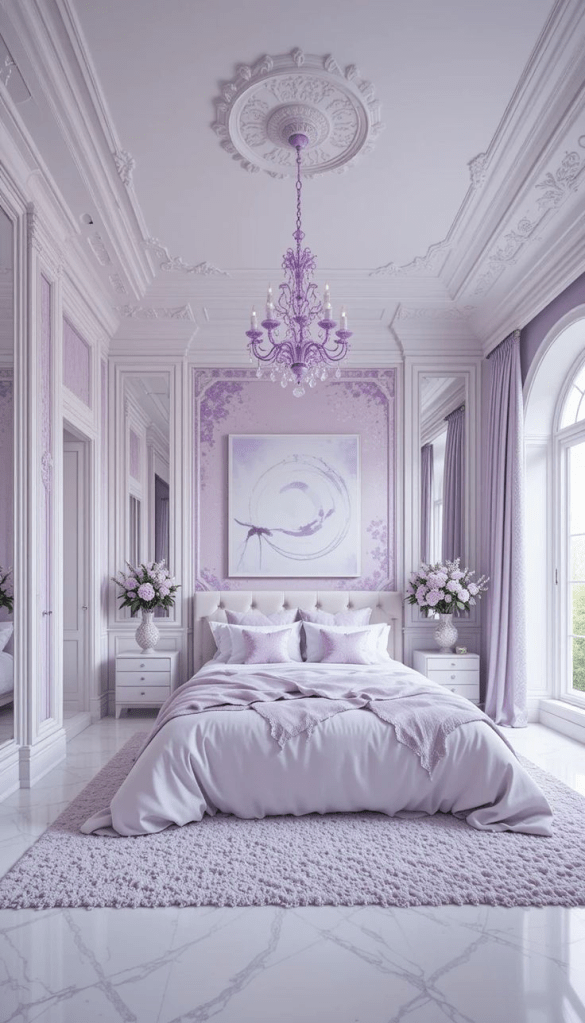
Dusty lavender / greyed-violet: Arguably the most adult pastel available right now. The grey content pulls it away from purple and into something almost architectural.
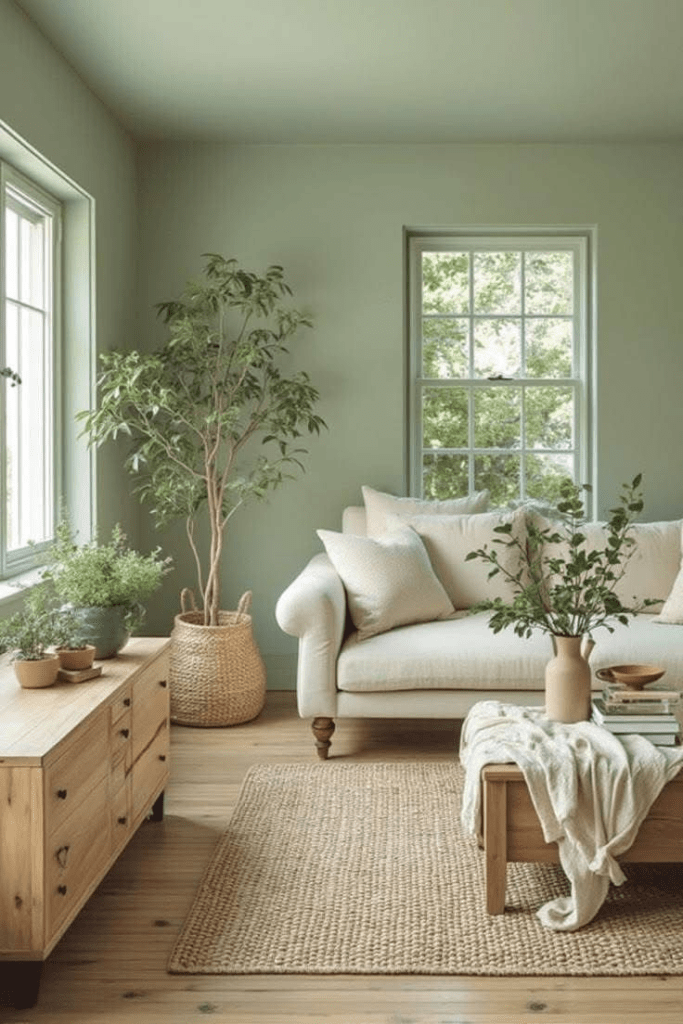
Warm sage (green-grey): Earthy without being khaki. Works spectacularly in living rooms and studies.
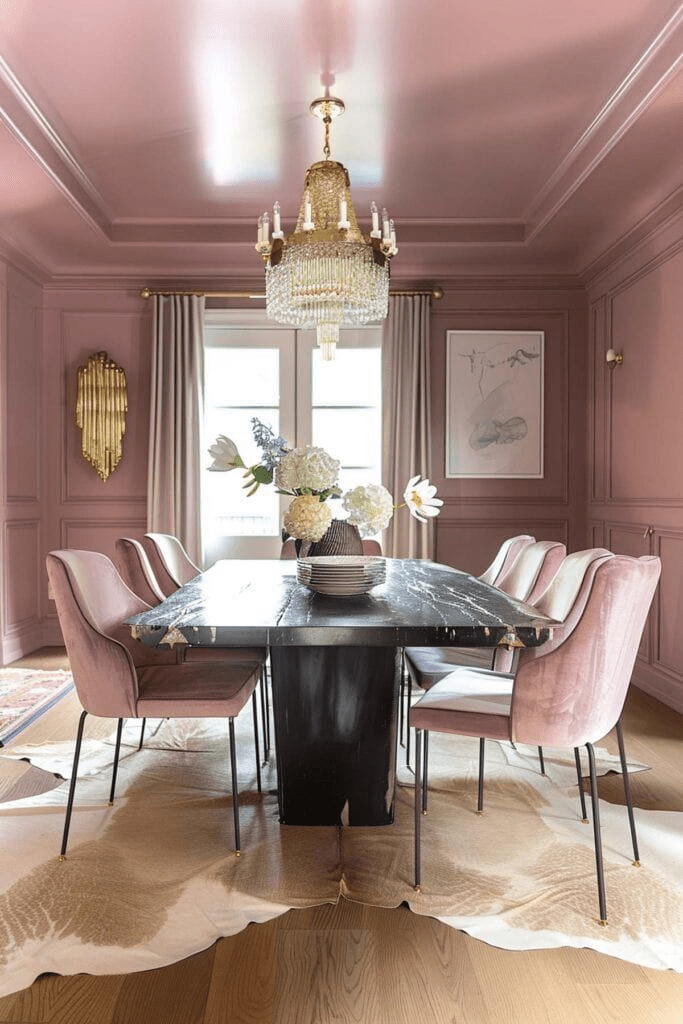
Blush-clay (dusty pink with terracotta undertone): This one surprised me. Not candy pink more like the inside of a dried rose petal. Incredibly warm for spring without screaming the season.
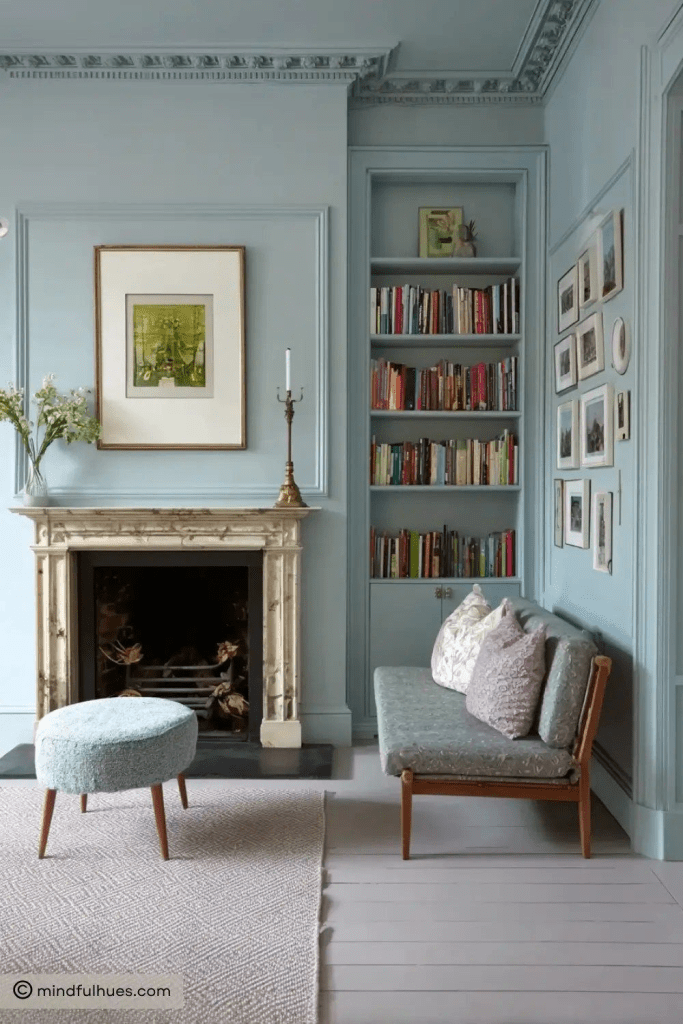
Soft powder blue with a slight slate cast: The closest to a ‘classic’ pastel, but that slate undertone is doing a lot of heavy lifting. Avoid anything too baby-blue.
Pale ochre / washed yellow: Deeply underrated. Warm, solar, sophisticated especially layered with natural linen textures.
The Layering Method: Building Monochrome Depth That Actually Works
Here’s the technique. The part that separates a Pinterest-worthy pastel room from a one-note disappointment.
Texture Is Doing More Work Than You Think
In a monochrome pastel room, texture replaces the visual variety that colour contrast would normally provide. This isn’t optional. Without it, you get flatness a room that photographs dully and feels vaguely institutional in person.
What this looks like in practice: matte plaster walls alongside a velvet sofa. A linen throw over a washed-cotton cushion. A rattan pendant light above a painted plaster-effect side table. The eye reads these as different elements even though the colour family is the same because the light bounces off each surface differently.
This is especially important in smaller rooms, where depth is at a premium. I explored this in detail in my Color Drenching for Small Spaces guide the short version: texture adds perceived dimension. A lot of it.
The 60-30-10 Rule, Monochrome Edition
In traditional colour theory, 60-30-10 distributes three colours across a room. In monochrome drenching, the same ratio applies but to tonal value rather than different hues.
60% — your dominant mid-tone. Walls, large upholstered pieces, area rug.
30% — a shade lighter. Trim (yes, drench it too), ceiling, bedlinen, smaller furniture.
10% — your darkest accent. Throw pillows, ceramics, the inside of a bookshelf, one accent chair.
The ceiling and trim question trips people up every time. Drench them. Go slightly lighter on both one shade up on the ceiling creates height, not monotony. Keeping trim and walls the same colour (rather than conventional bright white) is precisely what makes the room feel immersive rather than just colour-blocked.
Room-by-Room Spring Drenching: Where to Start and What to Prioritise
Living Room: Dusty Lavender or Warm Sage
The living room tolerates the widest tonal range. Layer your mid-tone on walls and ceiling, go deeper on the sofa (or use a large vintage rug as your darkest anchor), and bring in the lightest tone through curtains, cushions, and ceramics. Don’t fight the urge to add warmth a single warm-wood side table or brass fixture creates that ‘not trying too hard’ tension the room needs.
Bedroom: The Case for Blush-Clay
A bedroom drench in blush-clay or dusty rose needs almost no effort to feel luxurious. The key is the bedlinen: go one shade lighter than the walls. Washed linen in a paler blush over a deeper blush wall creates exactly that tonal layering we’re after. Avoid pattern entirely. Let the texture speak.
Kitchen and Dining: Powder Blue or Pale Ochre
These rooms are harder. Practical surfaces tile, cabinets, countertops pull you toward the Easter aesthetic faster than any other space. The solution? Drench only the upper half. Painted walls and ceiling in your chosen pastel, while cabinetry goes into the deeper tone or a natural wood. Don’t attempt to drench appliances. Some things resist elegance.
What Actually Separates ‘Sophisticated’ from ‘Easter Basket’?
Introduce One Unexpected Anchor Tone
Every sophisticated pastel room I admire has one element that doesn’t quite belong and that’s the point. A dusty lavender room with a single deep walnut bookcase. A sage green bedroom with one aged brass lamp. A blush study with a charcoal wool throw. This deliberate disruption signals intention. It tells the viewer: this wasn’t an accident. Someone made a choice here.
Without that anchor, pastel drenching can read as unfinished or worse, as if you simply ran out of money for more interesting furniture. One considered dark or warm element changes the entire reading of the room.
Avoid Mixing Multiple Pastels
The Easter effect comes almost entirely from combining multiple pastel hues. Yellow and pink and mint now it’s an Easter egg hunt. Stay strictly within one colour family. The only exception: a warm neutral (think undyed linen, aged paper, warm stone) that complements your chosen tone without competing with it.
Common Color Drenching Mistakes and How to Avoid Them
Using flat emulsion only. Matte walls and matte furniture create a dead, airless room. Vary sheens deliberately. Eggshell or satin on trim. Matte on walls.
Forgetting the floor. A pastel room sitting on a heavily contrasting dark floor can work but it needs to be intentional. If the floor fights the palette, the whole composition collapses.
Over-accessorising. Pastel drenching requires restraint. Fewer objects, better quality, more space between them. The colour is the feature. Let it be.
Not testing paint across multiple coats. Pastels shift dramatically between one and three coats. What looked like a pretty blush at single coat can become quite intense. Always go to full coverage before committing.
Final Thoughts: Spring Drenching Is an Exercise in Confidence
There is nothing inherently difficult about sophisticated pastel color drenching. But it does require something that most spring decorating advice doesn’t ask for: commitment. You cannot half-drench. You cannot leave the trim white ‘just in case.’ You cannot fill the room with safe, contrasting furniture because you got nervous.
Pick your colour. Pick it for its undertone, not its prettiness. Drench every surface including the ceiling. Layer with texture where contrast would normally live. Add one unexpected anchor. And then step back.
That quiet, immersive, utterly intentional space? That’s what sophisticated pastel drenching actually looks like. Not Easter. Not nursery. Not timid.
If this post helped clarify the approach, explore the full color drenching series on Linda Designs for seasonal and room-specific guides each with practical, tested techniques to take the guesswork out of your next transformation.
Frequently Asked Questions: Mastering the Pastel Drench
Can I color drench if my room has dark wood floors?
Absolutely, but it requires intention. A pastel room sitting on a heavily contrasting dark floor can create a stunning, grounded look provided the floor doesn’t ‘fight’ the palette. The contrast can actually work in your favour: dark floors act as that deliberate anchor tone we discussed, grounding the lightness above. If the floor does feel too heavy or visually disconnected, the fix is simple. Lay a large area rug in your 60% mid-tone to bridge the gap between walls and wood. It pulls the floor into the colour story without hiding it entirely.
Which pastel works best for a north-facing room with cool light?
North-facing rooms are tricky, and this is exactly where choosing the wrong pastel becomes painfully obvious. Cool pastels powder blue, grey-violet, mint will look chilly or clinical under flat northern light. The answer: lean into warmth.
Blush-Clay or Pale Ochre are my first recommendations for north-facing rooms. Both carry inherent warmth in their undertones (clay and solar, respectively) that counteracts the blue cast of indirect daylight. And as always test your paint chips in the morning, the afternoon, and under lamplight before committing to anything.
Is it still ‘color drenching’ if I don’t paint the ceiling?
Technically, no. Leaving the ceiling white creates a hard ‘cap’ on the room that breaks the immersive, monochrome effect entirely. The ceiling is the fifth wall ignoring it is the single most common reason a drench attempt feels incomplete rather than intentional.
If you’re nervous about going too dark overhead, apply the 60-30-10 tonal hierarchy: take the ceiling one shade lighter than your walls. That subtle lift creates perceived height and maintains the ‘tonal architecture’ of the room without making the space feel heavy or claustrophobic. Light ceiling, slightly deeper walls, deepest accents that layered logic is what makes the whole thing work.
How do I stop a monochrome room from looking flat?
This is the most common frustration with pastel drenching, and the solution is always the same: texture is your substitute for colour contrast. In a room with multiple colours, the eye finds interest by moving between hues. In a monochrome scheme, you need to give it something else to travel between surface variations.
Matte plaster walls next to a velvet sofa. A washed-linen throw over a cotton cushion. A rattan pendant above a lacquered side table. Each material bounces light differently, and that variation is what creates depth. Also: vary your sheens deliberately. Matte on walls, eggshell or satin on trim. Never flat emulsion on every surface that is the fastest route to ‘airless and dull.’
Can I mix a little bit of mint with my lavender walls?
I wouldn’t not if avoiding the Easter aesthetic is the goal. Mixing multiple pastel hues, even subtly, is the single fastest route to a candy-shop, seasonally-clichéd room. Yellow and pink and mint: that’s an Easter egg hunt, not an interior. Stay strictly within one colour family throughout.
If the room feels like it needs a visual ‘break’ from the lavender, the answer isn’t a second pastel it’s either a warm neutral (undyed linen, aged paper, warm stone) or a single dark anchor like a walnut shelf or a charcoal throw. Those additions create contrast and interest without fracturing the monochrome integrity of the space.
Related Articles:
→ Fall Color Drenching: Rich Jewel Tones That Transform Spaces
→ Color Drenching Your Home: The Complete Room-by-Room Guide
→ The Ultimate Guide to Choosing the Best Paint Colors
→ Color Drenching for Small Spaces: How Monochrome Depth Opens a Room
 Linda Designs | Home Decor, Interior Design & Lifestyle Inspiration