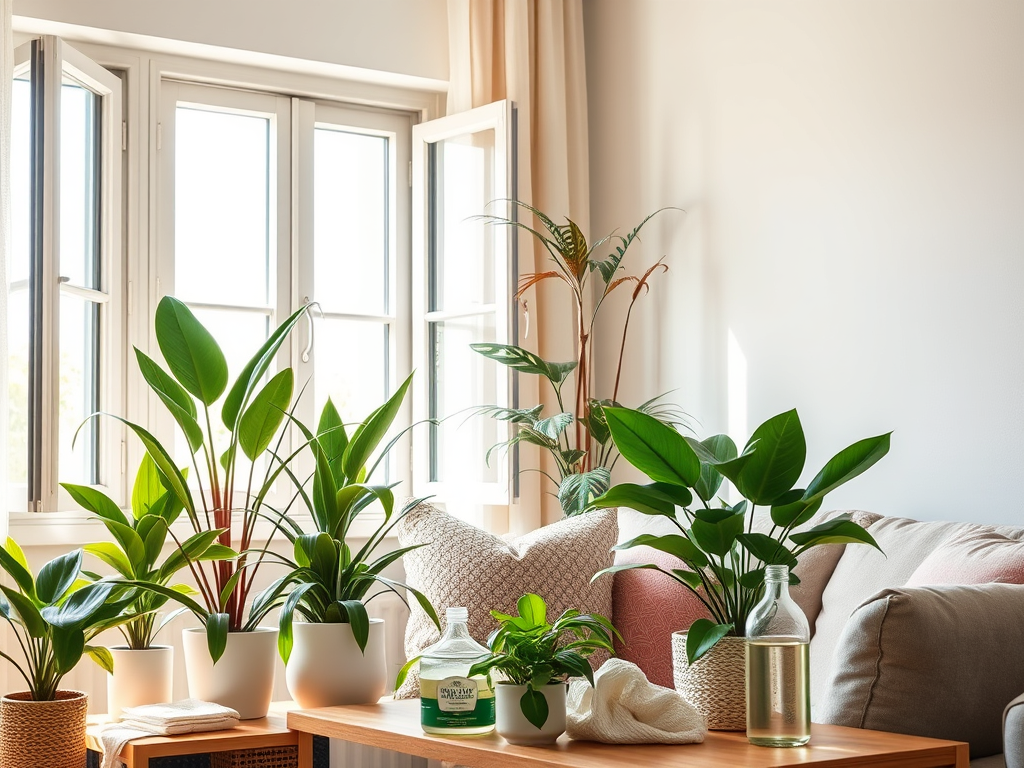
- ⚡How to Clean Your Air for Free
- Quick Navigation:
- Why Indoor Air Quality Matters More Than You Think
- 1. Master the Art of Strategic Ventilation (Reduce CO2 by 60%)
- 2. Harness the Power of Houseplants (But Choose Wisely)
- 3. Eliminate Hidden VOC Sources You’re Overlooking
- 4. Optimize Your Cleaning Routine (Less Chemicals, More Often)
- 5. Control Humidity to Prevent Mold and Dust Mites
- 6. Rethink Your Bedroom for Better Sleep Air Quality
- 7. Banish Shoes at the Door (The 421,000 Bacteria Problem)
- 8. Time Your Indoor Activities Strategically
- Seasonal Air Quality Strategies: Winter vs. Summer
- The Cumulative Effect: Your 30-Day Action Plan
- Frequently Asked Questions About Natural Air Quality Improvement
- How do I ventilate my home in winter without losing heat?
- Can houseplants really purify air or is it a myth?
- What’s the fastest way to improve air quality immediately?
- How do I improve air quality in summer humidity?
- Do I really need to take my shoes off indoors?
- How many plants do I actually need for cleaner air?
- Are natural cleaning methods as effective as chemical cleaners?
- How long does it take to notice air quality improvements?
- Can I improve air quality if I can’t open windows?
- What’s the biggest air quality mistake people make?
- Do air-purifying plants work in rooms without much natural light?
- Final Thoughts: Breathing Better, Living Better
⚡How to Clean Your Air for Free
- Ventilate: Use “Pulse Ventilation” (windows wide for 10 mins) 3x daily → Reduces CO2 by 60%
- Plant Power: Add 2-3 Snake or Spider plants per 100 sq. ft. for VOC removal
- Stop Pollutants: Banish synthetic air fresheners and track-in dirt with a strict “No-Shoes” policy
- Control Moisture: Keep humidity between 30-50% to stop mold before it starts
- Timing: Cook and clean when you can ventilate immediately after
- Natural Cleaning: Switch to microfiber cloths + white vinegar (removes 99% bacteria, zero VOCs)
- Bedroom Focus: Wash bedding weekly at 130°F+ to eliminate 100,000+ dust mites
- Investment Required: $0 | Time to Results: 2-4 weeks
Quick Navigation:
Let’s be honest you’ve probably scrolled past those sleek air purifiers a dozen times, eyeing their hefty price tags and wondering if they’re actually worth it. Here’s the good news: you don’t need to drop hundreds of dollars on fancy equipment to breathe cleaner air at home.
The air inside our homes can be two to five times more polluted than outdoor air, according to the EPA. That’s not a typo. Your cozy living room might be harboring invisible nasties like volatile organic compounds (VOCs), dust mites, mold spores, and even formaldehyde from that new furniture you splurged on last year.
But before you panic and start Googling “HEPA filters near me,” pause. I’ve spent years as a designer and blogger studying how our homes affect our wellbeing, and I’ve discovered something fascinating: nature already gave us the tools we need. We just forgot how to use them.
Why Indoor Air Quality Matters More Than You Think
Your home should be your sanctuary a place where stress melts away and you can truly recharge. Yet poor air quality silently sabotages this. It triggers allergies, disrupts sleep, causes headaches, and in the long run, contributes to respiratory issues.
Think about it. We spend roughly 90% of our time indoors. That’s a lot of breathing. And if what you’re breathing contains a cocktail of cleaning product residues, off-gassing furniture chemicals, and stagnant air loaded with particulates, your body’s working overtime to process it all.
Creating a sensory sanctuary at home means addressing not just what you see and hear, but what you breathe. Let’s dive into eight completely free, science-backed strategies that’ll transform your indoor air quality.
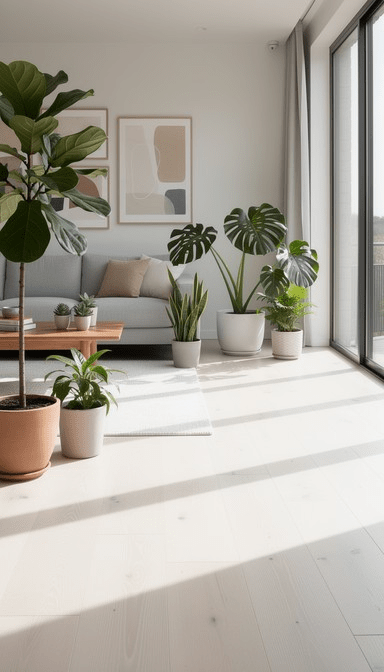
1. Master the Art of Strategic Ventilation (Reduce CO2 by 60%)
[Image 2: Diagram showing cross-ventilation airflow through a home floor plan with arrows indicating air movement] Alt Text: “Cross-ventilation diagram showing natural air quality tips for home ventilation strategy”
Ventilation sounds boring, I know. But it’s your secret weapon and it costs absolutely nothing.
Opening windows strategically creates cross-ventilation, which flushes out indoor pollutants and replaces stale air with fresh outdoor air. A 2019 study in Building and Environment found that natural ventilation reduced indoor CO2 concentrations by up to 60% and significantly decreased VOC levels.
Create an Effective Flow Path
Open windows on opposite sides of your home to establish a breeze corridor. Even if you live in an apartment, opening your front door and a back window for just 15 minutes can work wonders. The key is creating a pressure differential that pulls fresh air through your entire space.
Time It Wisely for Maximum Benefit
Ventilate early morning (between 6-8 AM) when outdoor pollution is typically lower, or late evening. Avoid midday in urban areas when traffic pollution peaks. This strategic timing ensures you’re bringing in the cleanest possible outdoor air.
Use the “Pulse Ventilation” Method
Instead of leaving windows cracked all day (which wastes energy), open them wide for 10-15 minutes, several times daily. This rapid air exchange is incredibly effective. Studies show that short bursts of intensive ventilation outperform continuous partial ventilation for pollutant removal.
Don’t Forget Moisture-Heavy Zones
Bathrooms and kitchens are pollution hotspots. After cooking or showering, exhaust fans are great, but opening a window even slightly creates negative pressure that pulls moisture and pollutants out faster.
I implemented this in my own home last spring, and the difference was immediate. That stuffy, “closed up” feeling? Gone. My morning headaches? Vanished. Sometimes the simplest solutions are the most powerful.
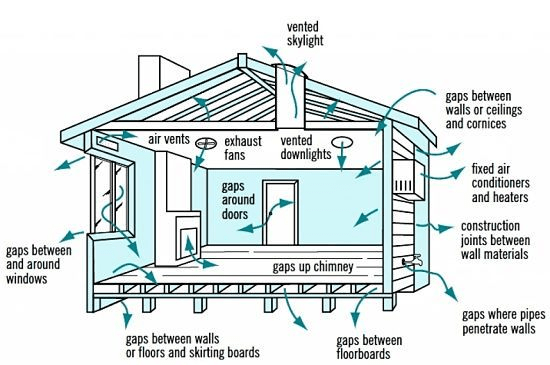
2. Harness the Power of Houseplants (But Choose Wisely)
Yes, the famous NASA Clean Air Study gets thrown around a lot sometimes misleadingly. But here’s what the science actually says: certain plants can improve air quality, though you’ll need more than one sad succulent on your desk.
The Reality Check on Plant Effectiveness
A 2019 study published in Journal of Exposure Science & Environmental Epidemiology found that you’d need 10-1000 plants per square meter to match a mechanical air purifier’s effectiveness. But and this is important plants offer cumulative benefits. They remove VOCs, produce oxygen, increase humidity (which reduces dust circulation), and provide psychological benefits that complement physical ones.
Air-Purifying Plants Comparison Chart
| Plant Name | Primary VOCs Removed | Best Room Placement | Light Needs | Care Difficulty | Bonus Benefits |
|---|---|---|---|---|---|
| Snake Plant | Benzene, Formaldehyde, Trichloroethylene, CO2 | Bedroom | Low to bright indirect | Very Easy | Produces oxygen at night |
| Spider Plant | Formaldehyde, Xylene, Carbon Monoxide | Living room, Kitchen | Moderate to bright indirect | Very Easy | Propagates easily (free plants!) |
| Pothos | Benzene, Formaldehyde, Xylene, Toluene | Any room, Bathrooms | Low to bright indirect | Very Easy | Thrives in humidity, trails beautifully |
| Boston Fern | Formaldehyde, Xylene | Living room, Bathroom | Bright indirect | Moderate | Adds humidity naturally (40-50%) |
| Peace Lily | Ammonia, Benzene, Formaldehyde, Trichloroethylene | Bathroom, Laundry room | Low to moderate | Easy | Indicates watering needs (droops when thirsty) |
The Best Performing Air-Purifying Plants
Spider plants (Chlorophytum comosum) excel at removing formaldehyde and xylene. They’re virtually indestructible, thrive on neglect, and propagate like crazy free plants for life!
Snake plants (Sansevieria) convert CO2 to oxygen at night (most plants do the opposite), making them perfect bedroom companions. They also filter benzene, formaldehyde, and trichloroethylene.
Pothos (Epipremnum aureum) are VOC-absorbing champions that tolerate low light. Drape them from shelves or let them climb they’re as beautiful as they are functional.
Boston ferns increase humidity while removing formaldehyde and xylene. They’re fussier than others but worth it if you have the right spot.
Strategic Plant Placement for Maximum Impact
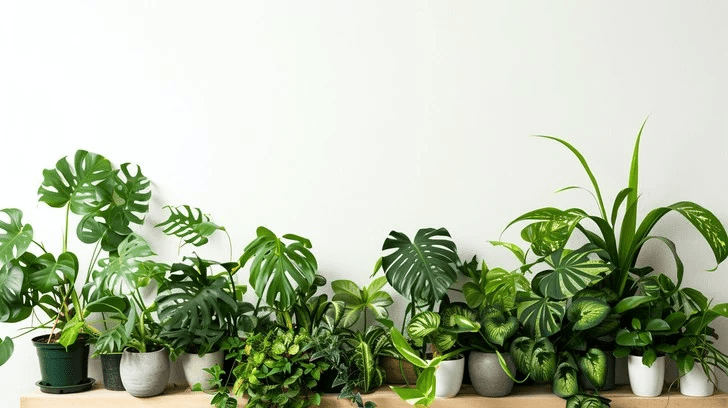
Integrate plants throughout your home, especially in rooms with new furniture, carpets, or where you use cleaning products frequently. I’ve woven plants into my biophilic design approach, and the synergy between cleaner air and reduced stress is remarkable.
3. Eliminate Hidden VOC Sources You’re Overlooking
Volatile organic compounds sound scary and they should. They off-gas from countless household items, contributing to that “new” smell we’ve been conditioned to love but our lungs definitely don’t.
The Sneaky Culprits Polluting Your Air
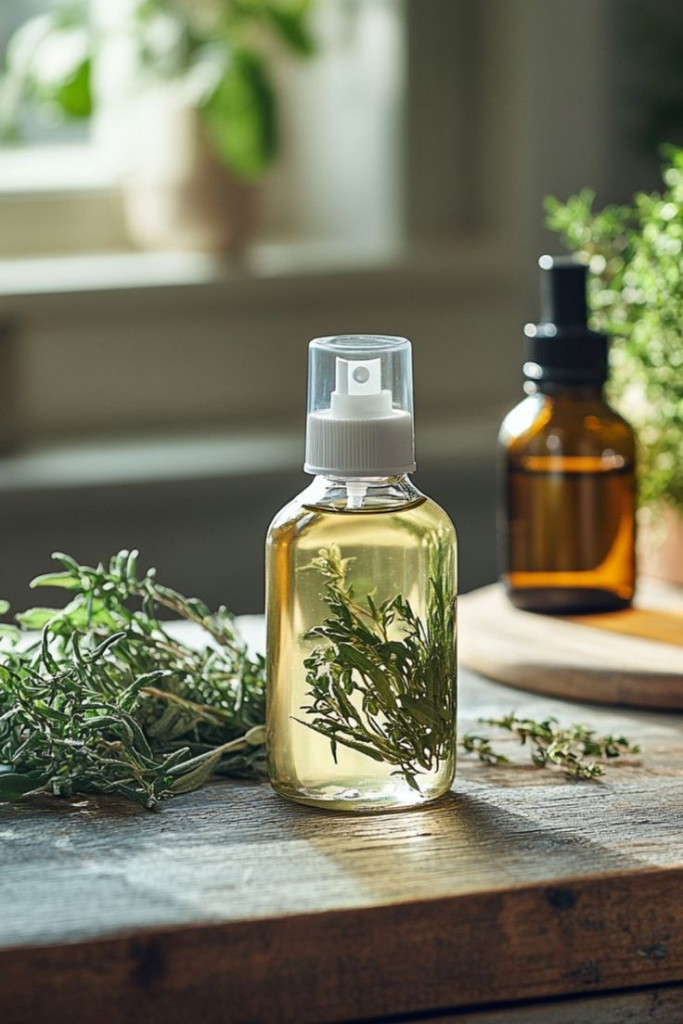
Conventional air fresheners and scented candles release VOCs including formaldehyde and phthalates. That “Ocean Breeze” plugin? It’s polluting your air. Same with most synthetic candles.
Dry-cleaned clothes arrive home wrapped in plastic, still releasing perchloroethylene (perc), a probable carcinogen according to the EPA. Remove plastic immediately and air items outside before hanging in closets.
New furniture, especially pressed wood with formaldehyde-based adhesives, off-gasses for months. That distinctive “new furniture smell”? It’s chemicals.
Your Free VOC Elimination Strategy
Banish synthetic air fresheners entirely. Replace with essential oil diffusers (using pure oils) or simply open windows. Your nose will adjust what you think is “neutral” now is actually “chemically perfumed normal.”
Air out dry cleaning outdoors for several hours before bringing inside. Better yet, switch to wet cleaning services or hand-wash delicates.
When you acquire new furniture, unbox and let it off-gas in a garage or covered outdoor area for days before bringing inside. Wipe down surfaces with a damp cloth to capture some chemicals. For items already home, maximize ventilation around them initially.
This costs nothing but attention and the payoff is huge. My own experiment eliminating air fresheners took about two weeks before my senses recalibrated. Now, when I encounter synthetic fragrances elsewhere, they smell overwhelmingly artificial and unpleasant. Your body knows what’s natural; you just have to let it relearn.
4. Optimize Your Cleaning Routine (Less Chemicals, More Often)
Here’s a counterintuitive truth: many cleaning products pollute more than they clean. Studies consistently show that regular use of chemical cleaners significantly degrades indoor air quality, releasing VOCs that linger for hours.
Research published in Environmental Health found that women who cleaned regularly with chemical products experienced accelerated lung function decline equivalent to smoking a pack of cigarettes daily for 10-20 years. That should make you rethink your cleaning cabinet.
Science-Backed Natural Cleaning Alternatives
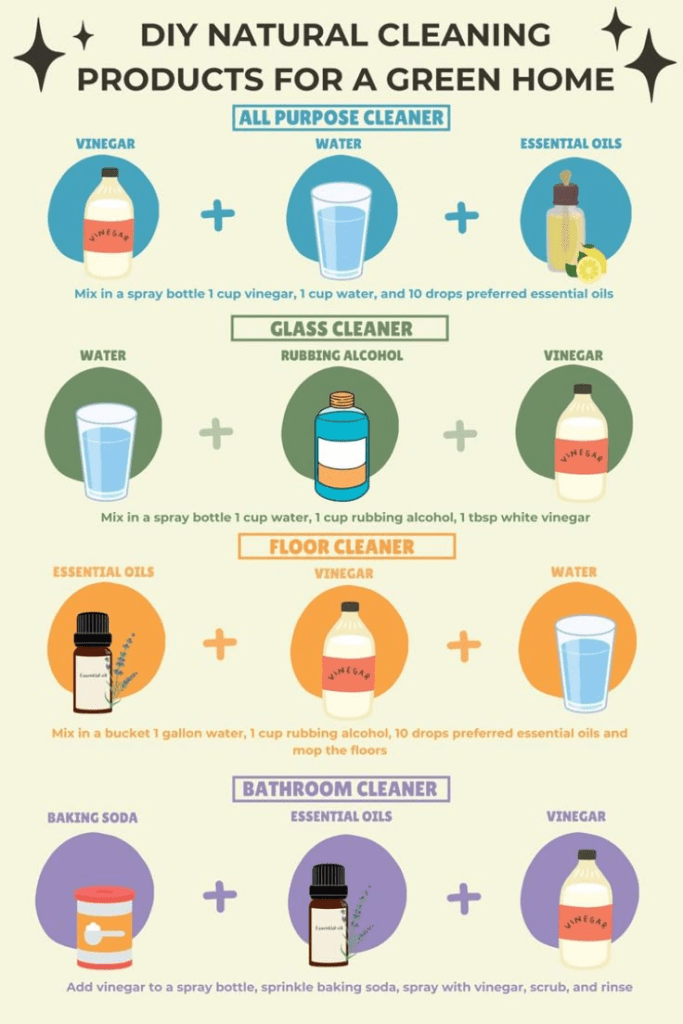
Microfiber cloths capture 99% of bacteria using only water no chemicals required. They work through mechanical action, trapping particles in their tiny fibers.
White vinegar (diluted 1:1 with water) disinfects effectively against most household germs and cuts through grease. It’s antimicrobial, non-toxic, and costs pennies.
Baking soda scrubs, deodorizes, and absorbs moisture without releasing anything harmful into the air.
Why Frequency Beats Intensity
Rather than quarterly deep-cleans with harsh products, adopt daily light maintenance with simple tools. A quick vacuum pass prevents dust buildup. Wipe surfaces with damp microfiber regularly rather than waiting for visible grime.
This shift in approach less chemical warfare, more consistent gentle maintenance keeps your home genuinely clean while your lungs thank you. Plus, you’ll save money previously spent on bottles of blue mystery liquid.
When I transitioned to this method, I noticed fewer headaches during cleaning and unexpectedly my family’s seasonal allergies diminished noticeably. We weren’t constantly re-introducing irritants into the air we breathed.
5. Control Humidity to Prevent Mold and Dust Mites
Humidity is Goldilocks-level finicky: too high invites mold and dust mites; too low dries mucous membranes and increases airborne particle circulation. The sweet spot? 30-50% relative humidity.
Why Humidity Control Matters
Mold releases spores and mycotoxins that trigger allergies and respiratory issues. Dust mites microscopic creatures living in bedding, carpets, and upholstery thrive above 50% humidity and are a primary allergen source.
A study in Indoor Air demonstrated that maintaining humidity between 40-50% significantly reduced both dust mite populations and mold growth while optimizing respiratory comfort.
Free Methods to Reduce Excess Humidity
Improve ventilation in moisture-prone areas bathrooms, kitchens, laundry rooms. Open windows during and after showers and cooking. Run exhaust fans if you have them.
Fix leaks immediately. That slow drip under the sink? It’s creating a mold playground.
Limit long, hot showers. Shorter, cooler showers produce less steam.
Spread out moisture-generating activities. Don’t shower, cook a steaming pot of pasta, and run the dishwasher simultaneously without ventilation.
Natural Ways to Increase Low Humidity
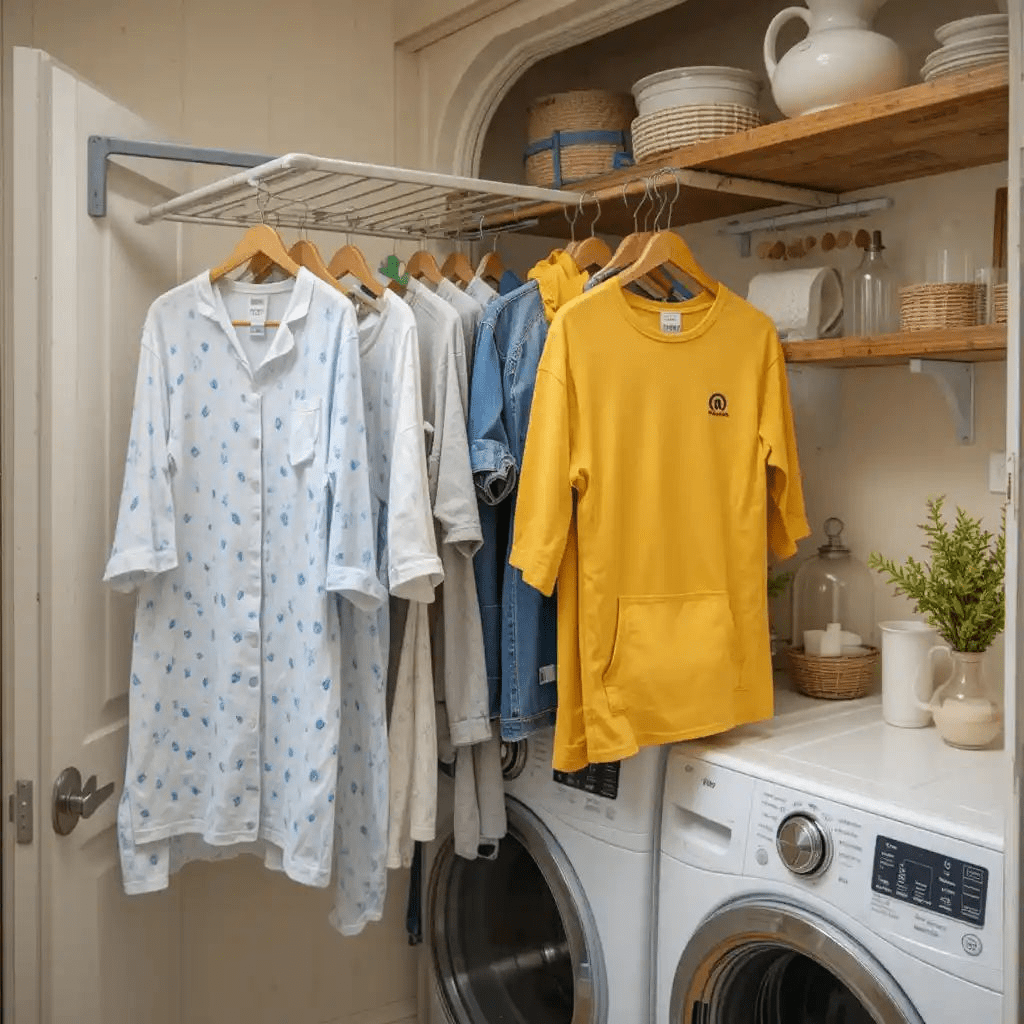
Air-dry laundry indoors. As water evaporates, it humidifies your space.
Place bowls of water near heat sources (safely, obviously). Evaporation adds moisture naturally.
Shower with the bathroom door open (if privacy allows). Let that steam work for you.
Group houseplants together. They transpire water vapor, creating localized humidity.
I monitor my home’s humidity casually you don’t need fancy equipment, though inexpensive hygrometers exist. In winter, when heating dries the air, I air-dry laundry strategically. In summer’s humidity, I’m religious about post-shower ventilation. This awareness alone has prevented the mold issues I used to battle in my previous, less-ventilated apartment.
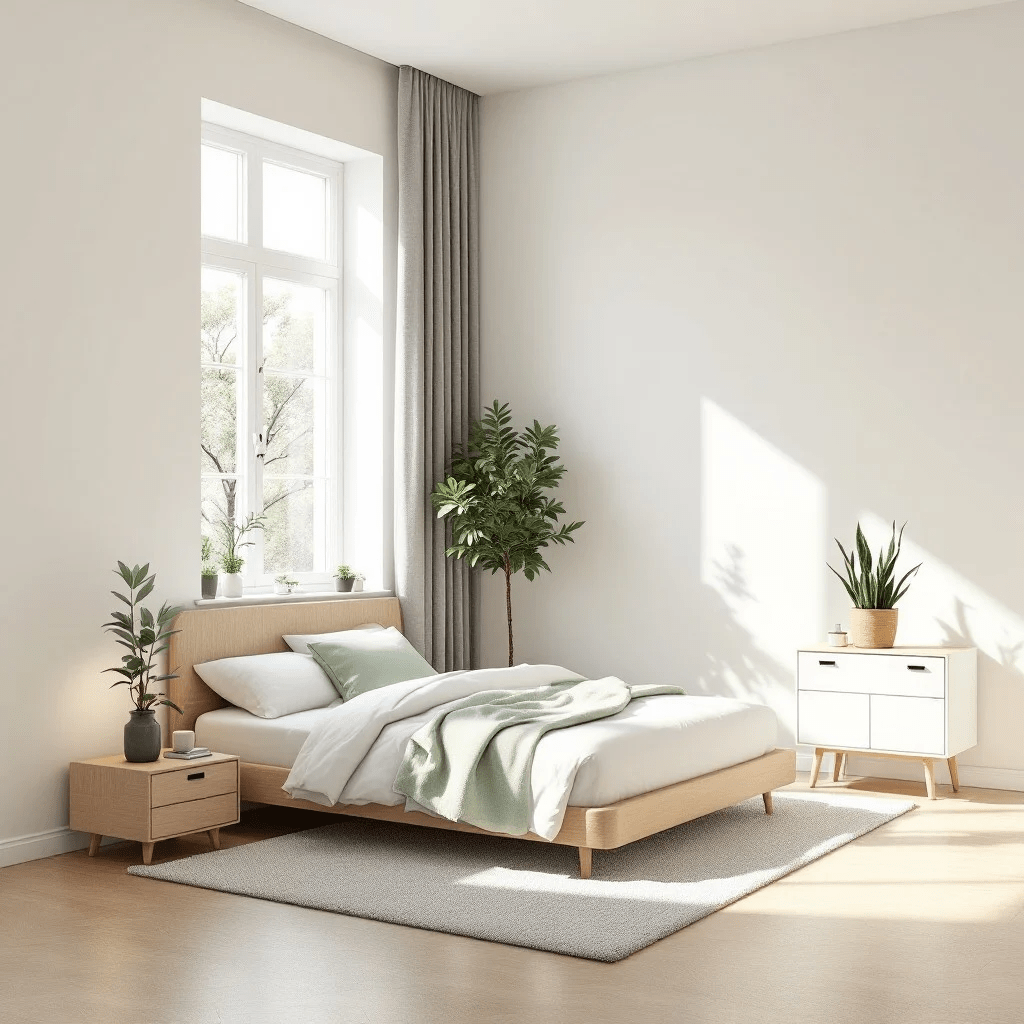
6. Rethink Your Bedroom for Better Sleep Air Quality
You spend a third of your life in your bedroom. That’s roughly 2,920 hours annually breathing whatever air circulates around your sleeping body. Making this space’s air quality pristine should be non-negotiable.
The Bedroom Air Quality Problems
Mattresses and bedding harbor dust mites. According to Ohio State University research, mattresses can contain 100,000 to 10 million dust mites. Charming, right?
Off-gassing from foam mattresses, flame retardants, and synthetic textiles continues for months or years.
Closed doors and poor ventilation create stagnant air pockets with elevated CO2 levels, disrupting sleep quality.

Free Bedroom Air Quality Solutions
Bedding Protocol: Wash sheets weekly in hot water (at least 130°F) to kill dust mites. Vacuum your mattress monthly using the upholstery attachment. Flip or rotate mattresses regularly to prevent moisture accumulation.
Ventilation Ritual: Open bedroom windows for 15 minutes each morning. Fresh air disperses accumulated CO2 and flushes overnight pollutants. If security or weather prevents this, at least open the door to promote airflow.
Strategic Plant Placement: Position snake plants or spider plants near your bed. Their nocturnal oxygen production and VOC filtering work while you sleep.
Remove Unnecessary Fabrics: Heavy curtains, excessive throw pillows, and decorative blankets collect dust. Minimize textile clutter or commit to regular cleaning.
Creating a meditation corner or mindfulness space in your bedroom becomes even more powerful when combined with optimized air quality. Clean air enhances the clarity and calm these spaces provide.
Since implementing these bedroom-specific strategies, my sleep quality has noticeably improved. I wake feeling more refreshed, with less morning grogginess and stuffiness. The difference is subtle but cumulatie small improvements compound into significant wellbeing gains.
7. Banish Shoes at the Door (The 421,000 Bacteria Problem)
This might be the simplest, most impactful change you can make. A comprehensive study by Baylor University found that shoes track in an average of 421,000 bacteria, including E. coli and C. difficile, plus pesticides, industrial chemicals, and microplastics.
Why Shoes Are Pollution Delivery Systems
Your shoes are essentially bringing the outdoor world’s contaminants directly onto your floors where they become airborne every time you walk, creating particulate clouds you inhale.
Implementing a No-Shoes Policy
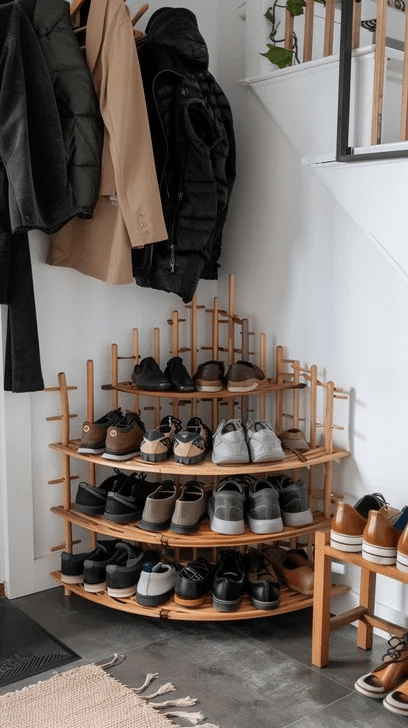
Establish a strict shoes-off policy at all entry points. Place a dedicated shoe rack or basket immediately inside each door to make compliance effortless.
Keep indoor-only slippers by the door for guests (and yourself). This removes the “but my feet are cold” excuse.
If the idea feels culturally uncomfortable, frame it around home care rather than personal offense. “We’re working on reducing allergens” sounds less accusatory than “your shoes are disgusting.”
This single habit reduce the dust accumulation dramatically. I vacuum less frequently yet floors stay cleaner longer. The invisible benefit reduced airborne contaminants is even more significant.
8. Time Your Indoor Activities Strategically
This advanced technique requires only awareness zero monetary investment, maximum impact.
Understanding Activity-Based Pollution
Activities release pollutants: cooking produces particulate matter and nitrogen dioxide, cleaning disperses chemicals, hobbies like painting release VOCs, burning candles produces soot. Timing these activities around optimal ventilation opportunities minimizes exposure.
Strategic Activity Scheduling
Morning Cooking: Prepare elaborate breakfasts when you can immediately open windows post-cooking. The morning air exchange flushes out pollutants before they settle.
Evening Cleaning: Clean before bed while windows can stay open briefly, then close up for the night with fresh air already circulated.
Weekend Projects: Tackle any painting, refinishing, or chemical-heavy projects Friday evening or Saturday morning with maximum ventilation time before Sunday evening when you’re winding down.
Avoid Pollution Stacking: Don’t burn candles while cooking while running the dryer. Spread out emission-heavy activities to allow recovery time between them.
This also ties beautifully into creating stress-reducing morning routines. When you start your day with fresh, clean air rather than accumulated overnight staleness, your entire mindset shifts. Clarity begins with what you breathe.
I’ve adopted a mental calendar for high-impact activities. Thursday evening is deep-cleaning night (with natural products, of course), giving me Friday’s ventilation opportunities to clear any residual particles. Saturday mornings are for any crafting or DIY projects, capitalizing on weekend flexibility for extended ventilation.

Seasonal Air Quality Strategies: Winter vs. Summer
Air quality challenges shift dramatically with the seasons. Here’s how to adapt your strategy year-round for optimal results.
Winter Air Quality Management (Without Losing Heat)
The Challenge: Cold weather makes us seal our homes tight, creating a perfect storm of stagnant air, increased indoor pollutants from heating systems, and dry air that irritates respiratory systems.
Your Winter Strategy:
Use pulse ventilation aggressively. Open windows wide for just 5-10 minutes, 2-3 times daily. This rapidly exchanges air without significantly cooling your home’s thermal mass (walls, floors, furniture retain heat).
Ventilate during the warmest part of the day (10 AM – 2 PM) when outdoor temperatures peak and the temperature differential is smallest.
Close windows immediately after ventilation to trap the heat your home has retained.
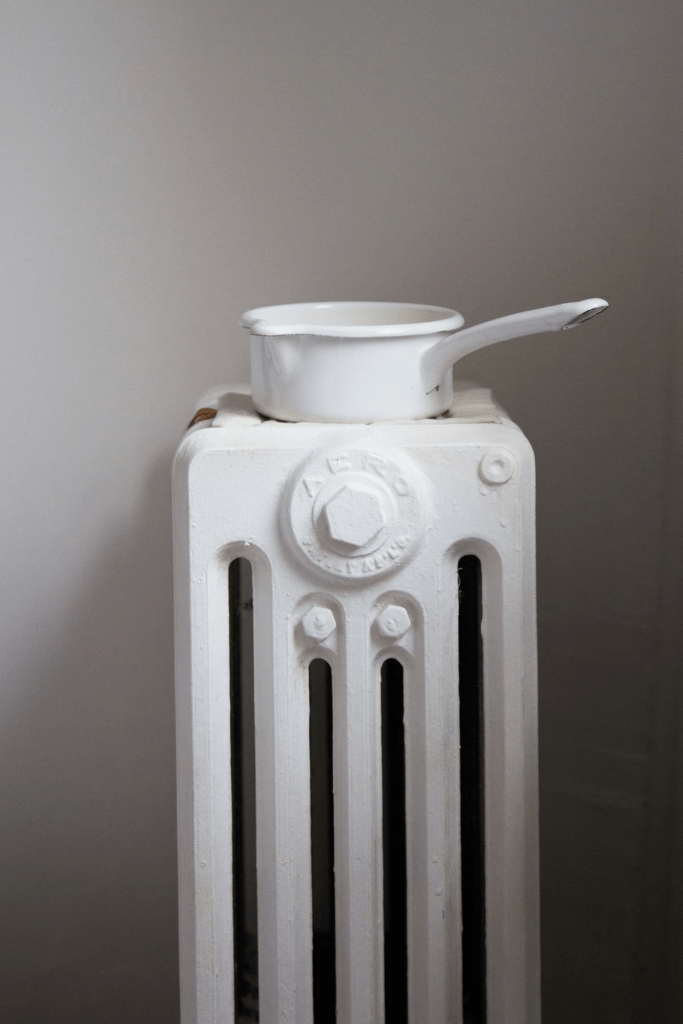
Add moisture naturally through air-drying laundry, grouping plants, and placing water bowls near radiators or heating vents.
Focus on reducing indoor pollution sources since you’re ventilating less frequently eliminate synthetic fragrances completely and minimize cooking emissions with range hood use.
Winter Bonus Tip: According to research from the National Center for Healthy Housing, opening windows for even 5 minutes can reduce indoor CO2 levels by 40% without measurably affecting heating costs when done strategically.
Summer Air Quality Solutions (Managing Heat and Humidity)
The Challenge: High outdoor temperatures, increased humidity, and ozone pollution make daytime ventilation problematic in many regions.
Your Summer Strategy:
Ventilate during early morning hours (6-8 AM) when outdoor air is coolest, cleanest, and least humid. Close windows by 9 AM to trap cool air inside.
Open windows again after sunset (typically after 8 PM) when outdoor temperatures drop and pollution disperses.
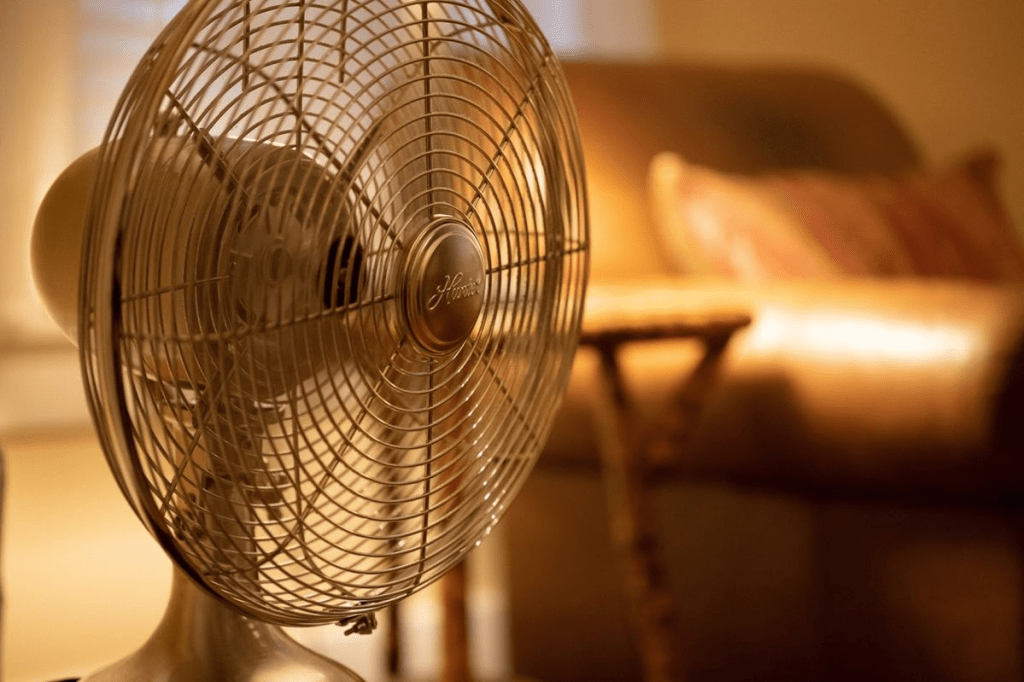
Run exhaust fans aggressively during cooking and showering to remove heat and moisture before they spread throughout your home.
Keep humidity below 50% through strategic ventilation timing and fixing any moisture sources (leaks, condensation issues).
Use natural cross-ventilation at night open windows on opposite sides to create cooling breezes that also purge accumulated pollutants.
Reduce indoor heat generation: avoid oven use during peak heat, minimize lighting, unplug heat-generating electronics when not in use.
Summer Bonus Tip: EPA research on indoor ozone levels shows that closing windows during high outdoor ozone periods (typically 2-8 PM on hot days) significantly reduces indoor ozone exposure while strategic night ventilation maintains air quality.
The Cumulative Effect: Your 30-Day Action Plan
Here’s what most people miss: these strategies aren’t meant to be implemented in isolation. Their real power emerges when combined systematically.
Week 1 – Foundation Building
Establish ventilation habits. Set phone reminders for morning and evening window opening. Remove obvious VOC sources synthetic air fresheners, scented candles.
Week 2 – Behavior Changes
Implement the shoe-ban policy. Transition cleaning products to natural alternatives. Acquire your first air-purifying plants (they’re often free from friends with established plants).
Week 3 – Bedroom Optimization
Optimize your bedroom wash all bedding, vacuum mattress, position plants strategically. Begin timing high-pollution activities around ventilation windows.
Week 4 – Fine-Tuning
Address humidity issues specific to your space. Add bowls of water in winter, improve ventilation in summer. Integrate all strategies into seamless daily rhythms.
The Investment: Zero dollars. Some time. Massive returns.
The science supporting these methods is robust, but the real proof lives in your experience. Pay attention. Notice the difference in how you feel when you wake up. Track whether your seasonal allergies improve. Observe your energy levels throughout the day.
Frequently Asked Questions About Natural Air Quality Improvement
How do I ventilate my home in winter without losing heat?
Use pulse ventilation: open windows wide for just 5-10 minutes, 2-3 times daily. This rapidly exchanges air without significantly cooling your home’s thermal mass (walls, floors, and furniture that retain heat). Ventilate during the warmest part of the day (10 AM – 2 PM) and close windows immediately after to trap heat. Studies show this method maintains 90% of heating efficiency while dramatically improving air quality.
Can houseplants really purify air or is it a myth?
Houseplants do purify air, but at a modest scale compared to mechanical filters. Research shows you need approximately 10 plants per 100 square feet for measurable VOC reduction. However, plants provide cumulative benefits including oxygen production, humidity regulation, dust reduction, and psychological wellbeing that mechanical purifiers cannot. Think of them as one component of a comprehensive strategy, not a standalone solution.
What’s the fastest way to improve air quality immediately?
Open windows on opposite sides of your home for 10-15 minutes to create cross-ventilation. This single action can reduce indoor CO2 by 60% and flush out VOCs within minutes, according to EPA research. For additional immediate impact, remove any synthetic air fresheners or scented candles, and turn on kitchen/bathroom exhaust fans if you’ve recently cooked or showered.
How do I improve air quality in summer humidity?
Ventilate during cooler morning hours (6-8 AM) before outdoor humidity peaks, then close windows to trap cool, dry air inside. Open again after sunset. Run exhaust fans during and after cooking/showering. Keep indoor humidity below 50% to prevent mold focus on removing moisture sources (fix leaks, improve ventilation) rather than adding moisture to already humid air. Avoid long hot showers and spread out moisture-generating activities.
Do I really need to take my shoes off indoors?
Yes this is one of the highest-impact changes you can make. Baylor University research documented that shoes track in an average of 421,000 bacteria plus pesticides, industrial chemicals, and microplastics that become airborne when disturbed. A no-shoes policy reduces indoor dust by 40-60% in most homes, dramatically decreasing allergen exposure and airborne particulates.
How many plants do I actually need for cleaner air?
For noticeable air quality improvement, aim for at least 2-3 medium to large plants per 100 square feet of living space. High-performing varieties like snake plants, pothos, and spider plants should be your priority. Place them strategically in rooms where you spend the most time bedrooms, living areas, and home offices. Remember: more plants equals better results, but even a few well-placed plants provide measurable benefits.
Are natural cleaning methods as effective as chemical cleaners?
Yes microfiber cloths remove 99% of bacteria using only water, matching or exceeding chemical cleaners’ effectiveness. White vinegar kills most household germs and costs pennies. The key difference: chemical cleaners leave residues that degrade air quality for hours, while natural methods don’t introduce new pollutants. You’re cleaning without creating new problems.
How long does it take to notice air quality improvements?
You’ll notice immediate differences from ventilation reduced stuffiness and freshness within 15 minutes. Cumulative improvements from plants, eliminating VOC sources, and consistent habits become noticeable within 2-4 weeks. Many people report reduced headaches, better sleep, and fewer allergy symptoms within the first month of implementing these strategies.
Can I improve air quality if I can’t open windows?
Yes. Focus on: maximizing plants (aim for 10+ in key rooms), eliminating VOC sources completely, using bathroom/kitchen exhaust fans aggressively, cracking your entry door briefly with chain lock for cross-ventilation, and running ceiling fans to prevent stagnant air. Even without windows, removing pollution sources and improving circulation makes significant impact.
What’s the biggest air quality mistake people make?
Using synthetic air fresheners while trying to improve air quality. These products release VOCs including formaldehyde and phthalates you’re literally adding pollutants while trying to remove them. The second biggest mistake is infrequent, heavy cleaning with harsh chemicals rather than regular light maintenance with natural methods.
Do air-purifying plants work in rooms without much natural light?
Yes several excellent air-purifying plants thrive in low light. Pothos, snake plants, and philodendrons all tolerate minimal natural light while still filtering VOCs. Snake plants are particularly effective in low-light bedrooms. While growth may be slower than in bright conditions, their air-purifying capacity remains functional.
Final Thoughts: Breathing Better, Living Better
We’ve been conditioned to believe that solving problems requires purchasing solutions. Better air quality needs an expensive purifier. Cleaner clothes demand specialty detergents. Fresh-smelling homes require plugins and sprays.
But our ancestors lived in homes with exceptional air exchange, minimal synthetic chemicals, and natural materials that didn’t off-gas toxins. We’ve complicated something fundamentally simple.
Returning to basics strategic ventilation, thoughtful material choices, connection with plants, and awareness of our activities’ impacts costs nothing but yields everything. Your home becomes the sanctuary it should be: a place where every breath supports your wellbeing rather than challenging it.
These eight strategies work. I know because I live them daily. My home isn’t perfect no home is but the air I breathe is dramatically cleaner than when I relied on ignorance and occasional window-cracking.
You don’t need to transform everything overnight. Start with ventilation. Add plants. Eliminate one chemical product. Each small change compounds, creating momentum toward a genuinely healthier home environment.
Your lungs deserve better than stagnant, polluted air. And achieving that doesn’t require anything except knowledge and intentionality both of which you now possess.
Take a deep breath. Then open a window and let the transformation begin.
About the Author: I’m a blogger passionate about creating homes that nurture both aesthetic beauty and genuine wellbeing. Through Linda Designs, I explore the intersection of interior design, lifestyle, and science-backed home improvements that actually work without breaking the bank. Follow along for more practical inspiration that transforms houses into homes you’ll actually want to breathe in.
 Linda Designs | Home Decor, Interior Design & Lifestyle Inspiration