
- Why Traditional Morning Routines Fail Designers (And What Actually Works)
- The Core Framework: What Every 5-Minute Designer Routine Needs
- 5 Designer Morning Routines Compared: Quick Reference
- Method #1: The Minimal Sensory Reset (Winner)
- Method #2: The Kinesthetic Creative Priming
- Method #3: The Gratitude-Aesthetic Hybrid
- Method #4: The Curated Inspiration Pulse
- Method #5: The Aromatherapy Designer Ritual
- Comparing the Methods: Which Designer Morning Routine Wins?
- Building Your Personal 5-Minute Designer Morning Routine
- The Compound Effect: What Happens After 30 Days
- Advanced Integration: Connecting Your Morning Routine to Deep Work
- The Real Reason Most Designer Morning Routines Fail (And How to Avoid It)
- Measuring Success: What Actually Changes
- Final Thoughts: The 5-Minute Investment That Compounds Daily
Listen, I get it. You’re not a morning person. The alarm screams. Your brain’s foggy. And the last thing you want is some elaborate 47-step routine involving cold plunges, journaling manifestos, and green smoothies that taste like lawn clippings.
But here’s the truth I’ve discovered after years of design work and countless conversations with fellow creatives: those first precious minutes after waking? They’re everything. They set the tone. They dictate whether you’ll spend your day in creative flow or constant catch-up mode.
Key Takeaway: The best designer morning routine is the Minimal Sensory Reset (Method #1) because it activates the visual cortex through intentional observation in under 5 minutes. This method trains your designer brain to notice details others miss, sharpening aesthetic judgment from the moment you wake up.
The difference between designers who consistently produce stunning work and those perpetually drowning in deadlines often comes down to those initial five minutes. Not five hours. Five. Minutes.
Let me walk you through what actually works backed by both research and real-world experience from design professionals who’ve cracked the code.
Why Traditional Morning Routines Fail Designers (And What Actually Works)
Most morning routine advice? Total garbage for creative professionals.
The problem is simple: they’re designed for corporate executives, not people whose entire livelihood depends on visual thinking, spatial awareness, and aesthetic judgment. When some productivity guru tells you to “check your metrics first thing,” they’re not considering that your brain needs to be in a completely different state to conceptualize a color palette or nail a client presentation.
Research from the Journal of Environmental Psychology reveals something fascinating: our physical environment directly impacts cognitive flexibility and creative problem-solving within the first 30 minutes of waking. Your bedroom matters. Your morning space matters. The sensory inputs you allow into your consciousness they all matter.
I’ve tested dozens of approaches. Some left me energized; others made me want to crawl back under the covers. What emerged was this: the most effective designer morning routines share specific characteristics that respect both our creative nature and the reality of modern life.
The Core Framework: What Every 5-Minute Designer Routine Needs
Before diving into specific methods, understand this foundation. Every effective designer morning routine contains three essential elements:
Sensory awakening. Your visual cortex your designer’s superpower needs gentle, intentional activation. Not smartphone screens blasting blue light. Not chaotic news feeds. Deliberate, beautiful sensory input.
Spatial grounding. You need to reconnect with physical space and your body within it. Designers work in dimensions; your morning should acknowledge that reality.
Intention setting. Not generic goal-setting. Specific creative intention that directs your aesthetic decision-making for the day ahead.
These three pillars can be executed in five minutes or less. Everything beyond is negotiable.
5 Designer Morning Routines Compared: Quick Reference
| Method | Best For | Primary Benefit | Time Required |
|---|---|---|---|
| Minimal Sensory Reset | Visual Designers, Graphic Designers | Observational acuity & color awareness | 4-5 minutes |
| Kinesthetic Creative Priming | Spatial/Industrial Designers, Interior Designers | Mind-body integration & 3D thinking | 5 minutes |
| Gratitude-Aesthetic Hybrid | Design Educators, Creative Directors | Reduced cortisol & aesthetic appreciation | 4 minutes |
| Curated Inspiration Pulse | Digital Designers, Brand Designers | Rapid visual stimulation & technique exposure | 5 minutes |
| Aromatherapy Designer Ritual | Remote Designers, Freelancers | Classical conditioning & focus triggers | 3-4 minutes |
Method #1: The Minimal Sensory Reset (Winner)
Time required: 4-5 minutes
This approach, popular among Scandinavian designers, focuses on stripping away morning chaos to create cognitive clarity.
Here’s how it works:
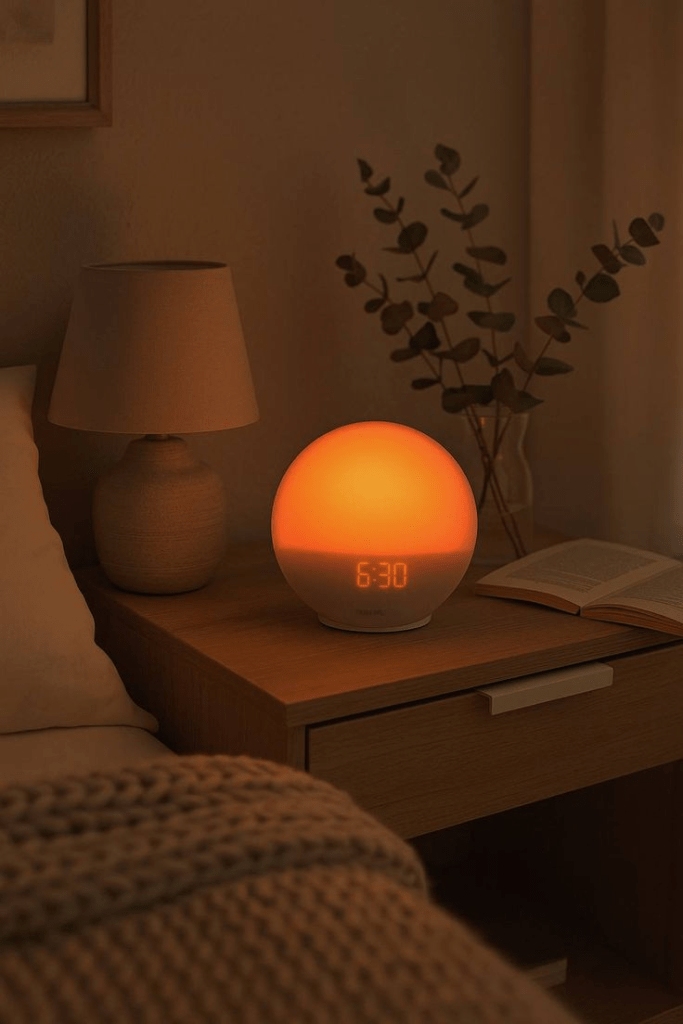
Wake up naturally if possible or use a sunrise alarm that mimics natural light progression. Before touching your phone, spend 60 seconds simply observing your bedroom. Notice the light quality. Shadow angles. How morning illumination transforms familiar objects.
Stand near a window for two minutes. Look outside without judgment or planning. Just observe. Color temperature of the sky. Movement patterns of trees or people. The geometry of buildings against clouds.
Take 90 seconds for three deep breaths while mentally cataloging three colors you saw during your observation. Not just “blue”which blue? Morning-mist blue? Denim blue? Powder blue?
The final 30 seconds? Set one aesthetic intention. “Today I’m exploring warm neutrals” or “I’m noticing circular forms” or “I’m studying how light creates drama.”
The verdict: This method excels at developing observational acuity crucial for design work. It trains your brain to notice details others miss. However, it requires discipline and works best for visual thinkers who naturally gravitate toward contemplative practices.
Creating a calming environment that supports this routine is essential. Check out these stress-reducing bedroom decor tips to enhance your morning space and dramatically improve your practice.
Method #2: The Kinesthetic Creative Priming
Time required: 5 minutes exactly
Developed by product designers who need to think three-dimensionally, this routine activates spatial awareness through gentle movement.
The sequence:
Start seated at the edge of your bed. Thirty seconds of neck rolls slow, mindful circles that wake up your cervical spine.
Stand and perform one minute of reaching exercises. Stretch toward ceiling corners, imagining you’re trying to touch specific points in space. This isn’t yoga; it’s spatial mapping.
Two minutes of walking through your living space while touching different textures. Run fingers along wall surfaces, fabrics, wood grain, metal fixtures. Your tactile system needs awakening just like your visual one.
Spend 90 seconds arranging one small area a nightstand, desk corner, or coffee station. Move objects intentionally. Consider composition, balance, negative space. Micro-design practice.
Final 30 seconds: photograph your arrangement with your phone. This is your only screen time, and it’s intentional you’re documenting spatial decision-making.
The verdict: Phenomenal for furniture designers, interior designers, and anyone working in three-dimensional spaces. The physical movement integrates mind and body while the tactile exploration primes your sensory awareness. Less effective if you’re primarily working in digital flat design.
For those seeking deeper mindfulness integration, explore these daily mindfulness habits to practice in your bedroom that offer complementary practices beautifully supporting this kinesthetic approach.

Method #3: The Gratitude-Aesthetic Hybrid
Time required: 4 minutes
This method, championed by several prominent design educators, merges positive psychology with aesthetic appreciation.
How to execute:
Upon waking, before moving, identify three beautiful elements in your immediate environment. Maybe it’s how morning light hits your duvet. The curve of a chair. The color relationship between your wall paint and bedding.
Spend 60 seconds feeling genuine appreciation for each. Not superficial thankfulness deep recognition of the design decisions (yours or someone else’s) that created beauty in your space.
Take two minutes to mentally design something simple. Plan a single room corner. Conceptualize a color scheme. Sketch an imaginary product in your mind’s eye. The key? Keep it low-stakes and playful.
Final minute: Write down (or voice-note) one aesthetic observation you’re grateful for and one design idea that emerged. Documentation matters.
The verdict: Research from positive psychology suggests gratitude practices reduce cortisol and increase creative thinking. For designers, combining this with aesthetic awareness creates a powerful synergy. However, the writing component might feel forced if you’re not naturally inclined toward journaling.

Method #4: The Curated Inspiration Pulse
Time required: 5 minutes maximum
This controversial method embraces technology but with strict boundaries.
The protocol:
Before bed the night before, curate exactly five pieces of design inspiration. Could be Pinterest pins, Instagram posts, design blog articles, photographs anything visually stimulating. Save them to a dedicated “Morning Inspiration” folder.
Upon waking, spend exactly one minute on each piece. Look deeply. Notice composition, color theory application, spatial relationships, typography choices, material selection whatever’s relevant.
Zero scrolling allowed. Zero notifications. Five pieces, five minutes, done.
Final 30 seconds: close the app and identify one specific technique or approach you observed that you want to explore in your work.
The verdict: This method is polarizing. Some designers swear it jumpstarts creative thinking. Others find any screen time corrupting to morning consciousness. The key is rigid discipline the moment you start scrolling mindlessly, you’ve lost the benefit.
If you’re creating a dedicated space for morning mindfulness and inspiration, learn how to design the perfect meditation corner to craft an environment that naturally supports focused inspiration without digital distraction.
Method #5: The Aromatherapy Designer Ritual
Time required: 3-4 minutes
Scent is the most underutilized tool in the designer’s morning arsenal. This method leverages olfactory memory and its powerful impact on creativity.
The practice:
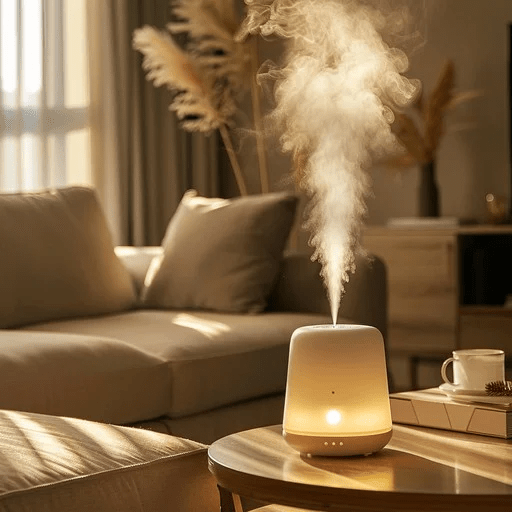
Keep a specific essential oil or scent (citrus oils work exceptionally well) exclusively for morning use. Upon waking, apply a small amount to your wrists or use a diffuser.
As the scent activates, spend two minutes doing a simple task with your hands making your bed, arranging pillows, folding a throw blanket. The combination of proprioceptive feedback and scent creates a powerful neurological association.
Take 90 seconds for gentle stretching while focusing on the aroma. Your olfactory system connects directly to your limbic system the emotional and memory center of your brain.
Final 30 seconds: set a design intention while taking three deep breaths of your chosen scent. Over time, this scent becomes a trigger for creative focus.
The verdict: Neuroscience strongly supports scent’s impact on memory formation and mood regulation. For designers working from home, this method is particularly effective because you can maintain the scent in your workspace, creating continuity between your morning ritual and work mode.
Creating an aromatherapy practice that supports both morning routines and work sessions becomes even more powerful. Discover simple DIY aromatherapy techniques for your home office to build cohesive sensory environments throughout your day.
Comparing the Methods: Which Designer Morning Routine Wins?
Here’s the reality: there’s no universal “best” method. Your ideal five-minute designer morning routine depends on three factors:
Your design discipline. Industrial designers might thrive with kinesthetic priming. Graphic designers might prefer visual observation or curated inspiration. Interior designers often benefit from the tactile and spatial approaches.
Your living situation. Studio apartment? The aromatherapy or minimal sensory methods might be most practical. House with outdoor space? Consider adapting the minimal sensory method to include brief outdoor observation.
Your neurological wiring. Some designers are naturally visual processors. Others are kinesthetic learners. Honor how your brain actually works rather than forcing methods that feel unnatural.
That said, here’s what testing revealed:
Most universally effective: The Minimal Sensory Reset combined with aromatherapy elements. This hybrid respects both the designer’s need for visual input and the power of multi-sensory engagement.
Best for spatial designers: Kinesthetic Creative Priming, hands down. If you work in three dimensions, this routine activates the neural pathways you’ll use all day.
Most scientifically supported: Gratitude-Aesthetic Hybrid. The research backing gratitude practices is robust, and adding aesthetic appreciation creates designer-specific benefits.
Highest risk-reward: Curated Inspiration Pulse. When executed with discipline, it’s phenomenally effective. But one slip into mindless scrolling destroys the benefit entirely.
Most accessible: Aromatherapy Designer Ritual. Requires minimal space, works anywhere, and the barrier to entry is literally just buying essential oils.
Building Your Personal 5-Minute Designer Morning Routine
Enough theory. Let’s build yours.
Week 1: Test each method for one weekday. Monday through Friday, try a different approach. Weekend optional. Journal briefly about how you felt throughout the workday.
Week 2: Eliminate methods that felt forced or unnatural. Test your top two again, alternating days.
Week 3: Choose your primary method. Execute it daily. Notice changes in creative output, focus quality, and decision-making speed.
Week 4: Refine. Maybe you’re 80% Method 1, 20% Method 5. That’s perfect. Your routine should be uniquely yours.
Common Mistakes That Sabotage Designer Morning Routines
Overcomplicating. The moment your routine exceeds seven minutes, compliance drops dramatically. Five minutes is the sweet spot between effectiveness and sustainability.
Skipping weekends. Your creative brain doesn’t distinguish between workdays and weekends. Consistency matters more than perfection.
Immediately checking email or messages. Every expert agrees: nothing—nothing—should interrupt your five-minute practice. Your inbox will wait. The world will survive.
Forcing methods that don’t resonate. If gratitude journaling makes you want to throw your notebook across the room, don’t do it. Find what feels natural.
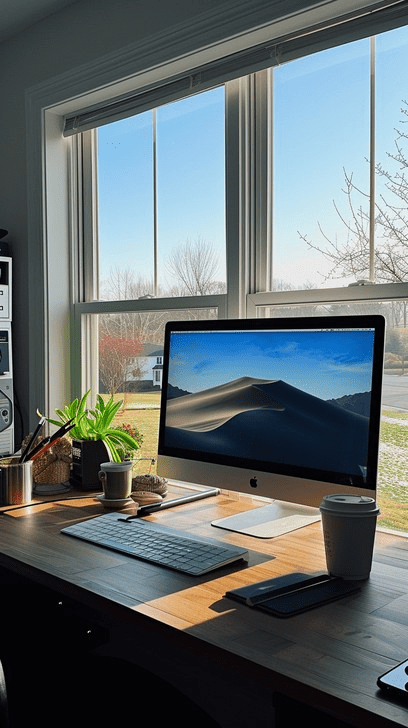
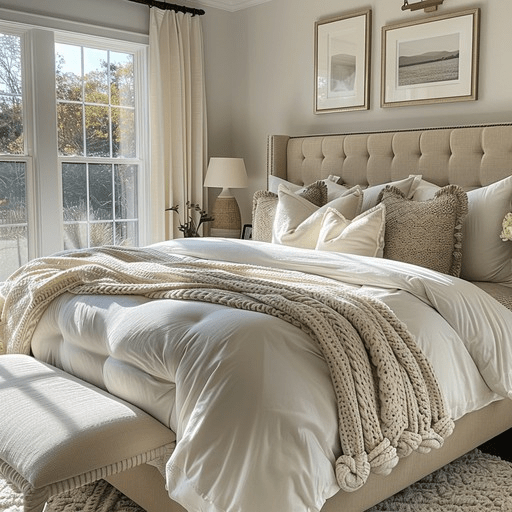
Neglecting environmental setup. Your bedroom and morning space should support your routine, not sabotage it. Clean sightlines, good lighting, organized spaces these aren’t optional.
The Compound Effect: What Happens After 30 Days
I’ve watched dozens of designers implement five-minute morning routines. The initial week? Usually feels weird, sometimes annoying.
Week two? Things start clicking. The routine becomes automatic.
By week four? This is where magic happens.
Designers report sharper aesthetic judgment. Faster decision-making on color, composition, and spatial arrangements. Reduced creative blocks. Better client presentations because they’re starting from a centered, intentional place rather than reactive chaos.
One interior designer told me her client satisfaction scores increased after implementing the Kinesthetic Creative Priming routine. Why? Because she was making better spatial decisions from the beginning, requiring fewer revisions.
A branding designer reported that the Minimal Sensory Reset improved her ability to notice subtle color relationships, leading to more sophisticated palette development.
These aren’t coincidences. When you train your brain to wake up intentionally, focusing on the sensory and cognitive skills your work demands, everything downstream improves.

Advanced Integration: Connecting Your Morning Routine to Deep Work
Here’s the secret nobody talks about: your five-minute morning routine should create a neural pathway that you can access anytime you need to drop into creative flow.
Let’s say you choose the Aromatherapy Designer Ritual with rosemary oil. After 30 days, that scent becomes associated with creative focus. Now when you hit an afternoon slump or need to prepare for a big presentation, you can activate that same scent to trigger the mental state you’ve been training each morning.
This is classical conditioning applied to creative work. And it’s absurdly effective.
The same principle applies to other methods. The mental aesthetic cataloging from the Minimal Sensory Reset? That becomes a tool you can deploy before client meetings or when creative blocks hit. You’re not just building a morning routine; you’re building cognitive infrastructure.

The Real Reason Most Designer Morning Routines Fail (And How to Avoid It)
Brutal honesty time: most morning routines fail because they’re Instagram-worthy fantasies rather than practical systems.
You see a designer influencer with their perfectly styled morning setup the aesthetic coffee station, the curated inspiration wall, the linen robes, the golden hour lighting and you think that’s the routine.
It’s not.
The routine is the invisible structure underneath. The actual five minutes of intentional practice. Everything else is decoration.
Start with function. Perfect it. Then, if you want, make it beautiful. But never confuse beautiful staging with effective practice.
Your five-minute routine might happen in rumpled pajamas with terrible lighting and mediocre coffee. If those five minutes train your designer brain effectively, you win.
Measuring Success: What Actually Changes
After 30 days, evaluate based on these metrics:
Decision-making speed. Are you making design choices faster and with more confidence?
First-draft quality. Is your initial work closer to final vision, requiring fewer iterations?
Creative consistency. Are you producing good work more reliably, rather than in sporadic bursts?
Mental clarity. Do you feel more focused during peak creative hours?
Aesthetic awareness. Are you noticing details in the world around you that previously went unobserved?
If you’re seeing improvements in two or more areas, your routine is working. If not, adjust or try a different method.

Your Morning Routine Evolution
One final truth: your five-minute designer morning routine will evolve. The method that serves you brilliantly for six months might need adjustment when your work shifts, seasons change, or life circumstances alter.
That’s not failure. That’s responsiveness.
I’ve cycled through different approaches based on project demands. Heavy client presentation season? Curated Inspiration Pulse gives me visual ammunition. Deep concept development phase? Minimal Sensory Reset sharpens observation. Physical design work like styling or furniture arranging? Kinesthetic Creative Priming all the way.
Stay flexible. Stay intentional. Stay consistent with the five-minute commitment, even as the method evolves.
Final Thoughts: The 5-Minute Investment That Compounds Daily
Here’s what I know after years of design work and experimenting with morning routines: those designers who consistently produce exceptional work aren’t working more hours. They’re not inherently more talented.
They’re more intentional with the small moments. Especially those first precious minutes when their creative consciousness is most malleable.
Five minutes seems insignificant. But five minutes daily for a year? That’s over 30 hours of intentional creative priming. Thirty hours of training your designer brain to wake up ready. To observe more keenly. To make aesthetic decisions more confidently.
Start tomorrow. Pick one method. Commit to seven days.
Your future self the one landing dream clients and producing work that makes you genuinely proud will thank you.
Because morning routines aren’t about becoming a different person. They’re about becoming the designer you already are just more focused, more intentional, more consistently excellent.
And that transformation? It starts with five minutes.
About the Author: I’m a blogger passionate about helping creatives build sustainable practices that enhance both their work and wellbeing. At Linda Designs, I explore the intersection of beautiful spaces, mindful living, and creative productivity because your environment shapes your creativity, and your morning shapes your day.
 Linda Designs | Home Decor, Interior Design & Lifestyle Inspiration