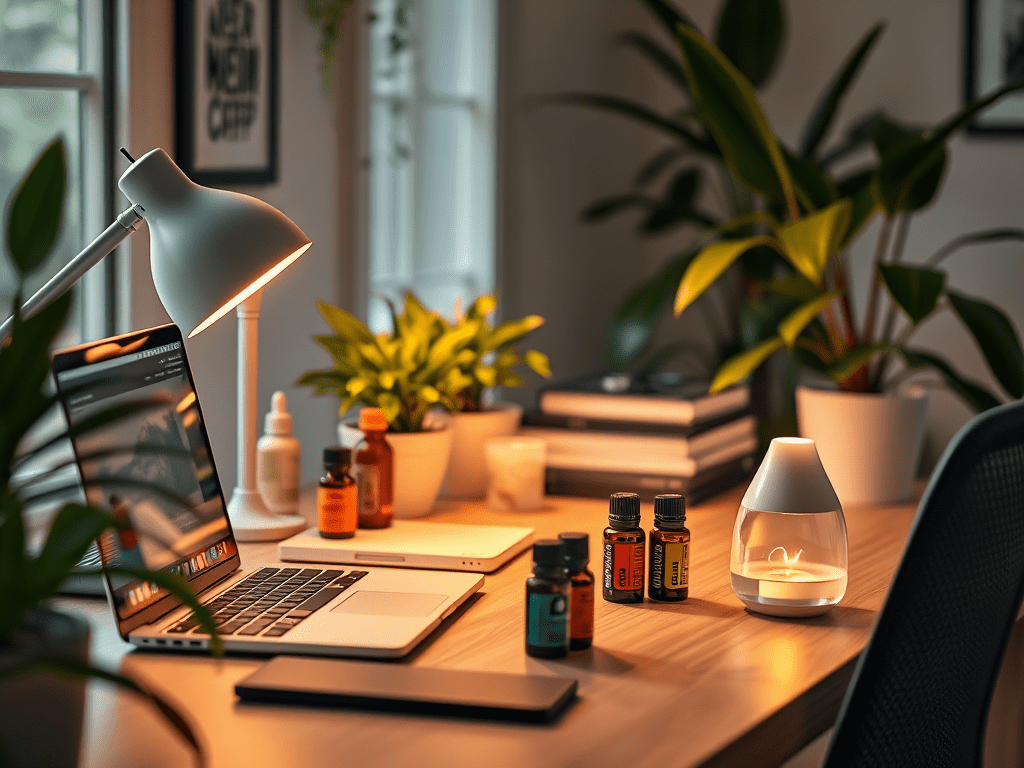
- Why Aromatherapy Actually Works for Remote Workers
- Understanding Essential Oils: Your Aromatherapy Foundation
- DIY Aromatherapy Techniques That Actually Fit Your Workday
- Creating Custom Blends for Specific Work Scenarios
- Integrating Aromatherapy with Your Physical Workspace
- Safety Considerations You Actually Need to Know
- Building Your Aromatherapy Routine: Practical Implementation
- Common Mistakes to Avoid
- The Bigger Picture: Aromatherapy as Self-Care
- Getting Started Today
- Final Thoughts
Working from home has become more than just a trend it’s a lifestyle that millions have embraced. But let’s be honest: some days, your home office feels less like a productivity powerhouse and more like a cozy trap that whispers, “Maybe just one more cup of coffee before you start that project?”
I’ve been there. Staring at my laptop, surrounded by the same four walls, wondering why my motivation seems to have taken an extended vacation. That’s when I discovered something beautifully simple yet transformative: aromatherapy.
Not the complicated, expensive kind that requires a degree in essential oil chemistry. Just straightforward, accessible scent solutions that genuinely changed how I experience my work-from-home days. And trust me if someone as design-obsessed as I am can integrate this seamlessly into a home office without it looking like a wellness retreat exploded everywhere, you absolutely can too.
Why Aromatherapy Actually Works for Remote Workers
The science behind aromatherapy isn’t mystical mumbo-jumbo it’s rooted in how our brains process scent. When you inhale essential oils or natural fragrances, molecules travel through your nasal passages and interact with your olfactory system, which has a direct pathway to the limbic system. That’s the part of your brain that governs emotions, memory, and even hormone regulation.
For remote workers, this connection becomes particularly powerful. Unlike traditional office environments with their built-in spatial boundaries and social cues that signal “work mode,” home offices blur these lines constantly. Your brain needs help differentiating between “work time” and “relaxation time” when both happen in the same space.
Scent creates that distinction. It’s like an invisible switch that tells your brain, “Okay, we’re focusing now,” or conversely, “Time to wind down.” I’ve noticed this effect most dramatically during my own stress-reducing morning routines the right scent at the right time genuinely shifts my entire mindset.

Research backs this up too. Studies have shown that certain essential oils can reduce cortisol levels (that’s your stress hormone), improve concentration, and even enhance memory retention. When you’re navigating back-to-back Zoom calls, impossible deadlines, and the constant temptation of your refrigerator being fifteen steps away, you need every advantage you can get.
Understanding Essential Oils: Your Aromatherapy Foundation
Before we dive into specific DIY techniques, let’s talk about what you’re actually working with. Essential oils are concentrated plant extracts that capture the “essence” of their source the aromatic compounds that give plants their distinctive scents.
The Work-from-Home Essential Oil Starter Kit
You don’t need forty different bottles cluttering your workspace. Start with these versatile options:
| Essential Oil | Primary Benefit for WFH | Best Time to Use | Key Properties |
|---|---|---|---|
| Peppermint | Mental Alertness, Focus, Slump Destroyer | 2:00-3:00 PM | Stimulates hippocampus, memory enhancement |
| Lavender | Stress Reduction, Anxiety Relief | End-of-Day Transition | Promotes calmness, aids work-life boundary |
| Lemon | Mental Clarity, Mood Booster | Creative Sessions, Morning | Clears mental fog, energizing |
| Eucalyptus | Concentration, Respiratory Support | Cold Season, Mental Overwhelm | Cooling, clarifying quality |
| Rosemary | Memory, Cognitive Performance | Complex Tasks, Deep Work | Enhances information retention |
Peppermint: Sharp, invigorating, impossible to ignore. This is your 2 PM slump destroyer. When your eyes start glazing over during that tedious spreadsheet work, peppermint oil provides a mental jolt that’s more effective than your third coffee. It stimulates the hippocampus the area of your brain responsible for memory and alertness.
Lavender: The poster child of relaxation essential oils, and for good reason. Lavender doesn’t just smell pleasant; it actively reduces anxiety and promotes calmness. I use this during particularly stressful project phases or when I need to transition from “work brain” to “evening mode.” It’s also phenomenal if you struggle with the work-from-home tendency to work far too late because there’s no natural “leaving the office” moment.
Lemon: Bright, clean, energizing without being aggressive. Lemon oil has this remarkable ability to clear mental fog while simultaneously boosting mood. It’s fantastic for creative work or brainstorming sessions. Plus, it makes your workspace smell fresh rather than like yesterday’s lunch leftovers.
Eucalyptus: Particularly valuable during cold and flu season or allergy periods. Beyond its respiratory benefits, eucalyptus promotes concentration and mental clarity. It has a cooling, clarifying quality that helps when you’re feeling mentally overwhelmed.
Rosemary: This herb isn’t just for cooking. Rosemary essential oil has been shown to improve memory and cognitive performance. Medieval scholars believed it enhanced memory turns out they were onto something. When you’re trying to absorb complex information or prepare for an important presentation, rosemary becomes your secret weapon.

Quality Matters More Than Quantity
Here’s something crucial that nobody tells beginners: not all essential oils are created equal. The market is flooded with synthetic fragrances masquerading as pure essential oils. These won’t provide the therapeutic benefits you’re seeking, and some contain chemicals that can actually worsen air quality.
Look for oils labeled as “100% pure” or “therapeutic grade.” Check that the bottle lists the plant’s Latin name that’s usually a good indicator of authenticity. And while you don’t need to mortgage your house for essential oils, extremely cheap options are almost always diluted or synthetic.
I learned this the hard way after buying a suspiciously inexpensive “lavender” oil that smelled more like industrial cleaner than anything remotely botanical. Your nose knows if something smells harsh, chemical, or “off,” trust that instinct.
DIY Aromatherapy Techniques That Actually Fit Your Workday
Now for the practical part. These are methods I’ve personally tested, refined, and integrated into my work-from-home routine without adding complexity or disrupting my workflow.
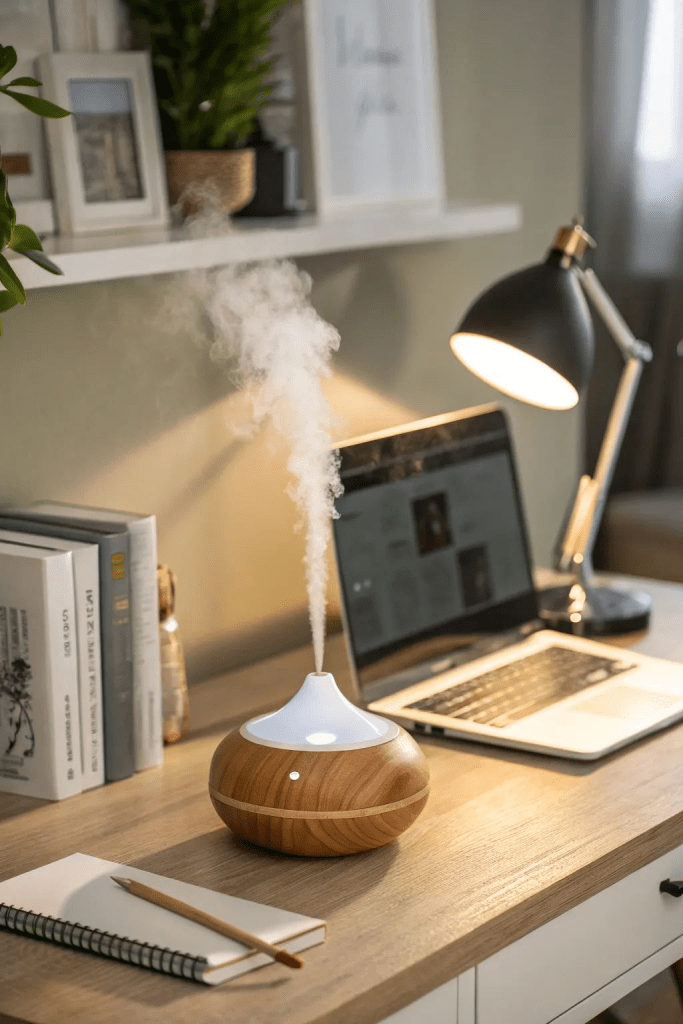
The Desktop Diffuser Strategy
Electric diffusers are probably the most popular aromatherapy method, and they work beautifully for home offices. But not all diffusing strategies are equally effective.
The morning focus ritual: About fifteen minutes before I officially start work, I add three drops of rosemary and two drops of lemon to my diffuser. This creates an atmosphere that signals “productivity time” to my brain. The combination is energizing without being overwhelming, and it helps establish a work-appropriate mindset even though I’m still in my home.
Afternoon energy renewal: Around 2-3 PM you know, that inevitable energy dip I switch to peppermint. Just two drops. More than that becomes too intense and can actually cause headaches. This works far better than reaching for another coffee, which often leaves me jittery and then crashed an hour later.
End-of-day transition: This is perhaps the most important diffusing session. When I’m wrapping up work, I diffuse lavender (three drops) combined with one drop of chamomile if I have it. This creates a clear olfactory boundary between “work time” and “personal time,” which is absolutely essential when your office is also your home. It’s similar to how I create mindfulness spaces at home intentional transitions matter.
Pro tip: Run your diffuser in intervals rather than continuously. Thirty minutes on, then off for an hour or two. This prevents scent fatigue (when your nose becomes so accustomed to a smell that you stop noticing it) and makes your essential oils last significantly longer.
Personal Inhalers: Aromatherapy On Demand
These are game-changers that more people should know about. Personal aromatherapy inhalers look like little lipstick tubes and contain a cotton wick saturated with essential oils. You can buy empty ones online for just a few dollars, or make a simpler version yourself.
To create your own, you’ll need small roller bottles or even just cotton balls in small containers. Add 10-15 drops of your chosen essential oil to the cotton, seal it in a small jar or tin, and you’ve got portable aromatherapy.
I keep one in my desk drawer with a “focus blend” (rosemary, peppermint, and a touch of basil) that I can grab during particularly challenging tasks. Just a few deep inhales directly from the container provides an immediate mental shift. It’s discrete enough to use during video calls (with your camera off, obviously), and it doesn’t affect anyone else in your household.
This method has become invaluable during high-pressure moments right before client presentations, when facing a creative block, or when anxiety starts creeping in during particularly busy periods.

DIY Room and Linen Sprays
This technique is wonderfully versatile and incredibly simple. You create a natural room spray that you can use on your workspace, office chair, curtains, or even your clothes.
Basic Recipe for DIY Room Spray:
Ingredients:
- 2 oz spray bottle (dark glass preferred to protect the oils)
- 1.5 oz distilled water
- 0.5 oz witch hazel or vodka (helps oil mix with water)
- 20-30 drops total of essential oils
Instructions:
- Add witch hazel to spray bottle
- Add your chosen essential oil blend
- Top with distilled water
- Shake well before each use
Productivity-Boosting Blend:
- 12 drops lemon
- 10 drops peppermint
- 8 drops rosemary
Calming Evening Blend:
- 15 drops lavender
- 10 drops chamomile
- 5 drops cedarwood
Shake before each use (oil and water naturally separate), then spray around your workspace. I particularly love misting my office chair and the curtains near my desk. The scent lingers gently without being overpowering, creating a pleasant work atmosphere that doesn’t require electricity or constant attention.
This also works beautifully as part of your workspace refresh routine spritz your area during lunch breaks or when transitioning between different types of tasks. The act of spraying itself becomes a small ritual that helps your brain shift gears.

The Underrated Power of Scent Sticks
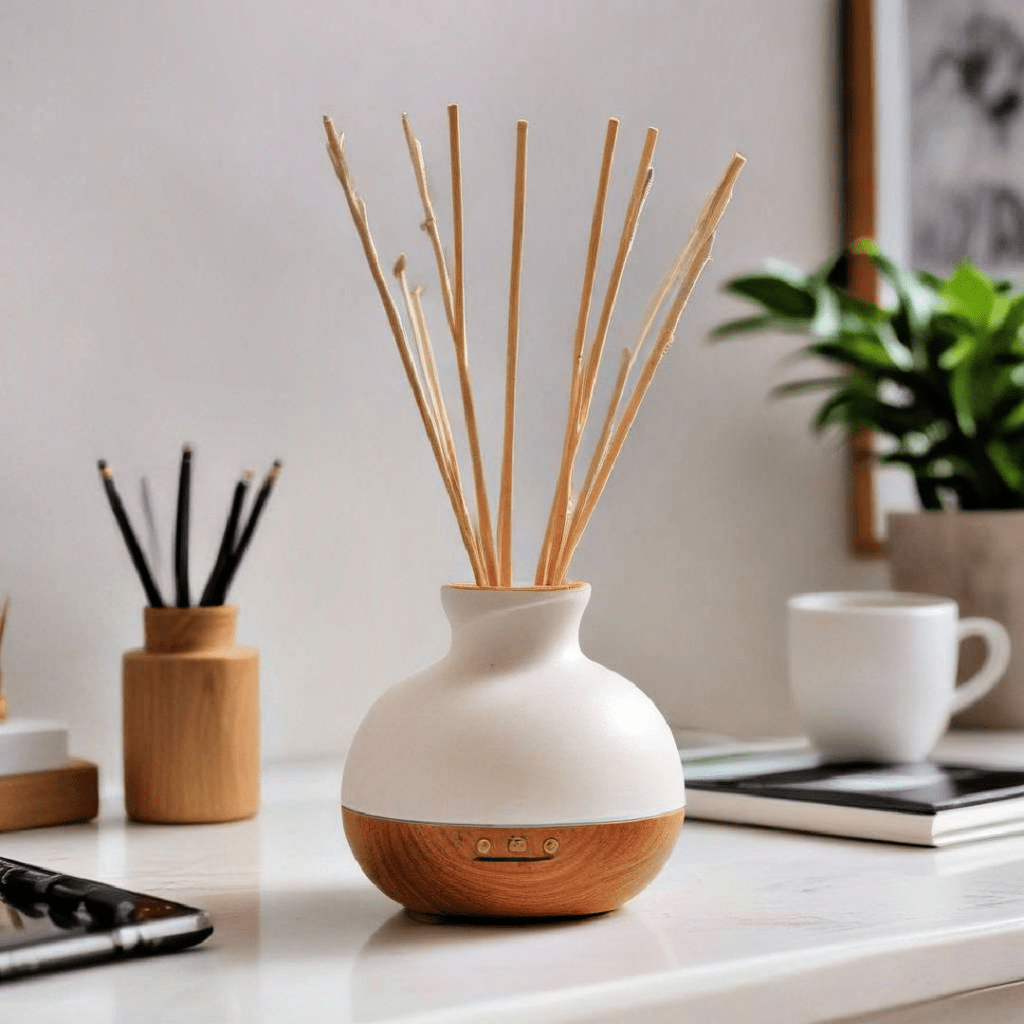
Reed diffusers might seem old-fashioned compared to ultrasonic diffusers with LED lights, but they offer serious advantages for work-from-home situations. They’re silent, require no electricity, work continuously without attention, and look elegant on a desk.
You can easily make your own. You’ll need:
- A small glass bottle or vase (narrow neck works best)
- Carrier oil (sweet almond, safflower, or even fractionated coconut oil)
- Essential oils
- Rattan reeds or bamboo skewers
Fill your container about three-quarters full with carrier oil, add 25-30 drops of essential oils (adjust based on container size and personal preference), and insert your reeds. They’ll absorb the scented oil and release fragrance continuously. Flip them weekly to refresh the scent.
I keep a eucalyptus and tea tree reed diffuser near my desk year-round. It provides a subtle, consistent scent that helps maintain mental clarity without requiring any active effort on my part. During cold season, this combination also helps keep my respiratory system clear, which is particularly valuable when you’re stuck indoors all day.
Natural Wax Melts and Warmers
If you’re concerned about diffusers adding moisture to your workspace (which can be problematic for electronics or certain climates), wax melts with essential oils offer an excellent alternative.
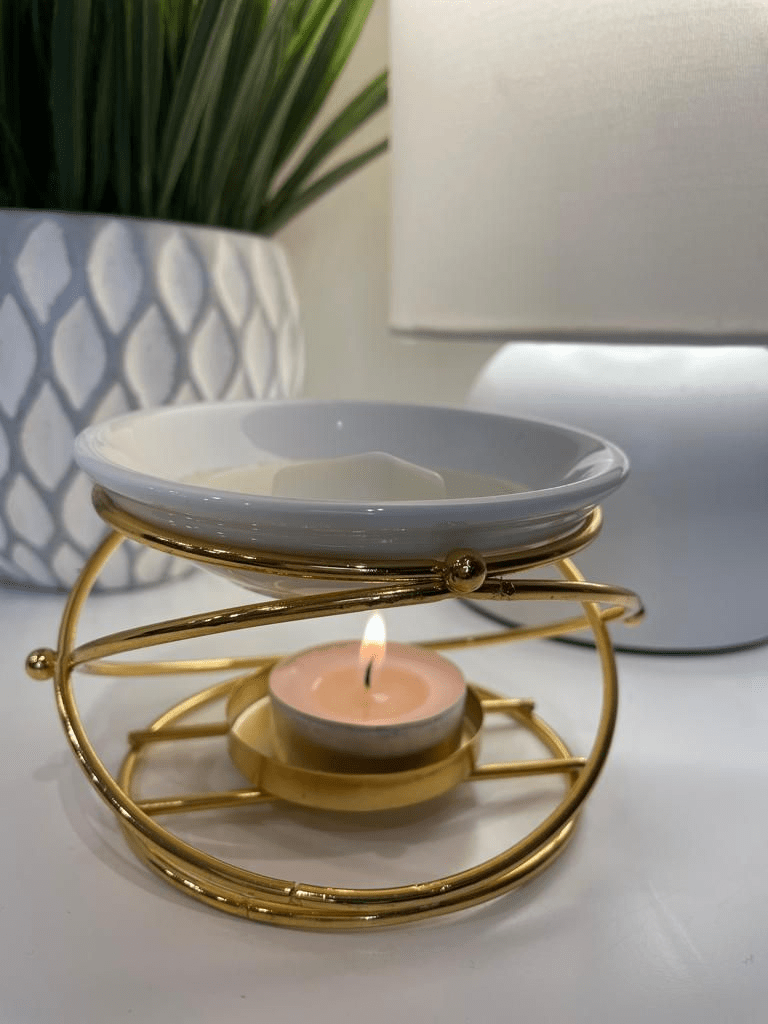
You can purchase natural soy wax and make your own scented melts, or simply buy unscented ones and add a drop or two of essential oil directly to the warmer. This creates fragrance through gentle heat without adding humidity to the air.
I find this particularly useful during winter when the air is already dry from heating systems. A small warmer on my desk provides consistent scent without the potential issues of added moisture affecting my laptop, papers, or the paint on nearby walls.
Creating Custom Blends for Specific Work Scenarios
Once you’re comfortable with individual essential oils, blending opens up an entirely new dimension of aromatherapy. Think of it like creating a personalized productivity soundtrack, but for your sense of smell.
The Deep Work Blend
When you need to enter flow state and maintain intense concentration for extended periods:
Deep Work Essential Oil Blend:
- 3 drops rosemary (cognitive enhancement)
- 2 drops basil (mental clarity)
- 2 drops frankincense (grounding, meditative focus)
- 1 drop vetiver (stabilizing, helps prevent mental drift)
Application: Add to diffuser 15 minutes before starting deep work sessions
This combination is remarkable for tasks requiring sustained attention coding, writing, detailed design work, financial analysis, or anything where interruption means losing your train of thought entirely. I use this blend when working on complex projects that require both creativity and precision.
The Creative Brainstorming Blend
For ideation sessions, content creation, or problem-solving:
Creative Brainstorming Essential Oil Blend:
- 3 drops wild orange (uplifting, promotes positive thinking)
- 2 drops lemon (mental clarity)
- 2 drops bergamot (reduces anxiety while maintaining alertness)
- 1 drop ylang ylang (encourages creative thinking)
Application: Diffuse during brainstorming, content creation, or ideation sessions
This blend creates a mindset that’s alert yet relaxed that sweet spot where innovative ideas flow more freely. The citrus notes are energizing without being aggressive, while the floral element softens the experience just enough to reduce performance anxiety.
The Meeting Confidence Blend
Before important calls or presentations:
- 2 drops peppermint (alertness)
- 2 drops cypress (confidence, composure)
- 2 drops grapefruit (optimism, positive energy)
- 1 drop ginger (courage, motivation)
Diffuse this about twenty minutes before your meeting, or use it in a personal inhaler for a quick confidence boost. The combination addresses both the mental sharpness you need for effective communication and the emotional grounding that prevents nervous energy from derailing your performance.
The Afternoon Slump Rescue Blend
When coffee isn’t cutting it anymore:
- 3 drops peppermint (stimulating)
- 2 drops eucalyptus (refreshing, clears mental fog)
- 1 drop black pepper (energizing, warming)
This blend provides a more sustainable energy boost than caffeine. It stimulates your senses without the subsequent crash, and the combination specifically targets the sluggish, foggy feeling that makes afternoon work so challenging. Just be cautious with black pepper oil a little goes a very long way, and too much can irritate your nose and throat.
The Stress Management Blend
For particularly high-pressure days:
- 3 drops lavender (calming, anxiety-reducing)
- 2 drops bergamot (mood elevation)
- 2 drops chamomile (soothing, tension relief)
- 1 drop sandalwood (grounding, perspective)
This combination doesn’t sedate or impair your ability to work instead, it takes the sharp edge off anxiety while allowing you to maintain focus and productivity. I’ve found it particularly valuable during deadline crunches or when dealing with difficult clients or challenging projects. The blend helps create the mental space necessary to respond thoughtfully rather than react emotionally, much like the approach I take with daily mindfulness habits.
Integrating Aromatherapy with Your Physical Workspace
Essential oils work even better when combined with thoughtful workspace design. The visual and olfactory elements of your environment interact to create your overall work-from-home experience.
Strategic Placement
Where you position your aromatherapy tools matters. I’ve learned through trial and error (and one incident involving a diffuser placed too close to my laptop) that placement significantly impacts effectiveness.
For diffusers: Position them at least three feet away from electronics. Water and technology don’t mix well, and even the slight moisture from diffusing can cause problems over time. I keep mine on a small side table adjacent to my desk rather than directly on it. This also prevents accidental spills during those moments when you’re gesticulating wildly during a phone call and forget there’s a water-filled device within arm’s reach.
The diffuser should be at roughly the same height as your seated head or slightly below. This allows the aromatic mist to disperse effectively throughout your breathing zone without blowing directly into your face.
For reed diffusers: These work well on bookshelves, windowsills, or filing cabinets anywhere near your workspace but not in the direct line of air circulation from windows or HVAC vents. Too much airflow will cause them to evaporate too quickly and can blow the scent away before you benefit from it.
For wax warmers: Keep these on stable surfaces where they won’t get knocked over. I learned this lesson after nearly tipping one during an enthusiastic video call. Also, position them away from papers and anything flammable they do generate heat, even though it’s gentle.

Complementary Design Elements
Aromatherapy integrates beautifully with broader wellness-focused design principles. Consider how the other sensory elements of your workspace support or detract from your aromatherapy practice.
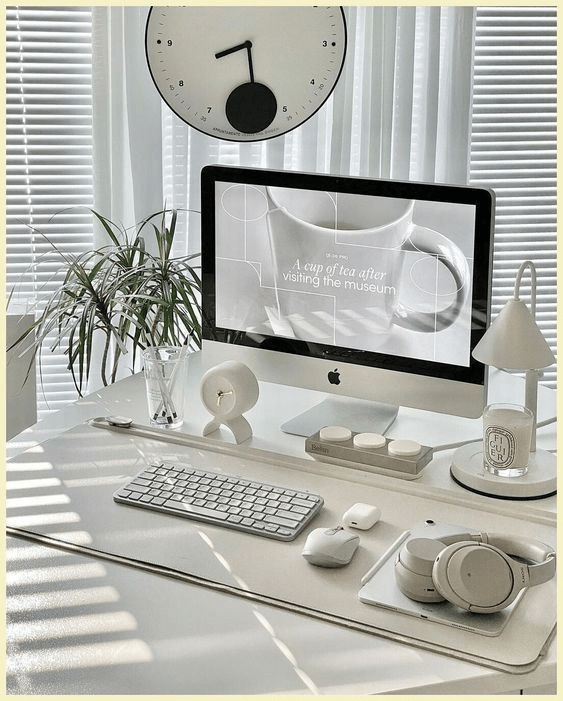
Natural materials: Wood, stone, and natural fibers enhance the organic quality of essential oils. Synthetic materials, especially certain plastics and fabrics, can sometimes clash with natural scents or even absorb them in unpleasant ways. When I redesigned my home office with more natural textures and materials, I noticed that my aromatherapy practice felt more cohesive and effective.
Color psychology: Pair your scent choices with compatible color schemes. Cool, calming scents like lavender work beautifully in spaces with soft blues, greens, or neutrals. Energizing citrus scents complement spaces with warmer tones creams, soft yellows, or even strategic pops of orange. This isn’t just aesthetic theory; the combination of visual and olfactory stimuli can reinforce the mood you’re trying to create.
Decluttering: Essential oils work best in clean, uncluttered spaces. Competing smells from dust, old papers, forgotten coffee mugs, or that lunch you meant to take back to the kitchen three days ago will interfere with your aromatherapy practice. Regular tidying isn’t just good for productivity it’s essential for effective scent work. This connects to creating sensory sanctuary spaces that support rather than hinder wellbeing.
Air quality: Essential oils don’t purify air in the way some marketing suggests, but they work best in spaces with good air quality. Open windows regularly (weather permitting), use an actual air purifier if needed, and ensure your HVAC filters are clean. Fresh air circulation helps prevent scent buildup and ensures you’re breathing clean air enhanced by aromatherapy rather than masking poor air quality with fragrance.
Safety Considerations You Actually Need to Know
Aromatherapy is generally safe, but “natural” doesn’t automatically mean “risk-free.” Here are the practical safety considerations that matter for home office use.
Dilution and Concentration
Never apply undiluted essential oils directly to your skin they’re too concentrated and can cause irritation, sensitization, or even chemical burns. For topical applications (like pulse point rollers), dilute essential oils in a carrier oil. A standard dilution is 2-3% for adults, which translates to roughly 12-18 drops of essential oil per ounce of carrier oil.
For diffusing, less is genuinely more. Three to five drops in a standard 100ml diffuser is usually sufficient. More than that can be overwhelming, may cause headaches, and wastes your oils.
Pets in Your Home Office
If you share your workspace with pets, exercise caution. Some essential oils that are safe for humans can be toxic to cats and dogs. Tea tree, wintergreen, pine, and citrus oils are particularly problematic for cats. If your pet frequently shares your home office (and honestly, isn’t that one of the best parts of working from home?), research pet-safe options or choose methods like personal inhalers that don’t disperse oils into the shared air.
Watch for signs of distress in pets: excessive drooling, difficulty breathing, lethargy, or unusual behavior. If your pet seems bothered by a scent, stop using it immediately. Their noses are far more sensitive than ours.
Sensitivity and Allergies
Start with small amounts and pay attention to your body’s responses. Some people develop sensitivities to certain oils, even after using them without problems for months or years. Headaches, nausea, skin irritation, or respiratory discomfort are signals to discontinue use.
Pregnant or breastfeeding women should consult healthcare providers before using essential oils, as some can affect hormone levels or aren’t recommended during pregnancy. This isn’t fear-mongering it’s just responsible practice.
Storage and Shelf Life
Essential oils degrade over time, especially when exposed to light, heat, or air. Store them in dark glass bottles (they usually come this way) in a cool, dark place. That sunny windowsill might seem like a pretty storage solution, but it will rapidly deteriorate your oils’ quality and effectiveness.
Most essential oils last 1-3 years when properly stored. Citrus oils have shorter shelf lives (about a year), while oils like patchouli and sandalwood actually improve with age. Check for changes in color, consistency, or smell if an oil smells “off” or has become cloudy, it’s time to replace it.
Fire Safety
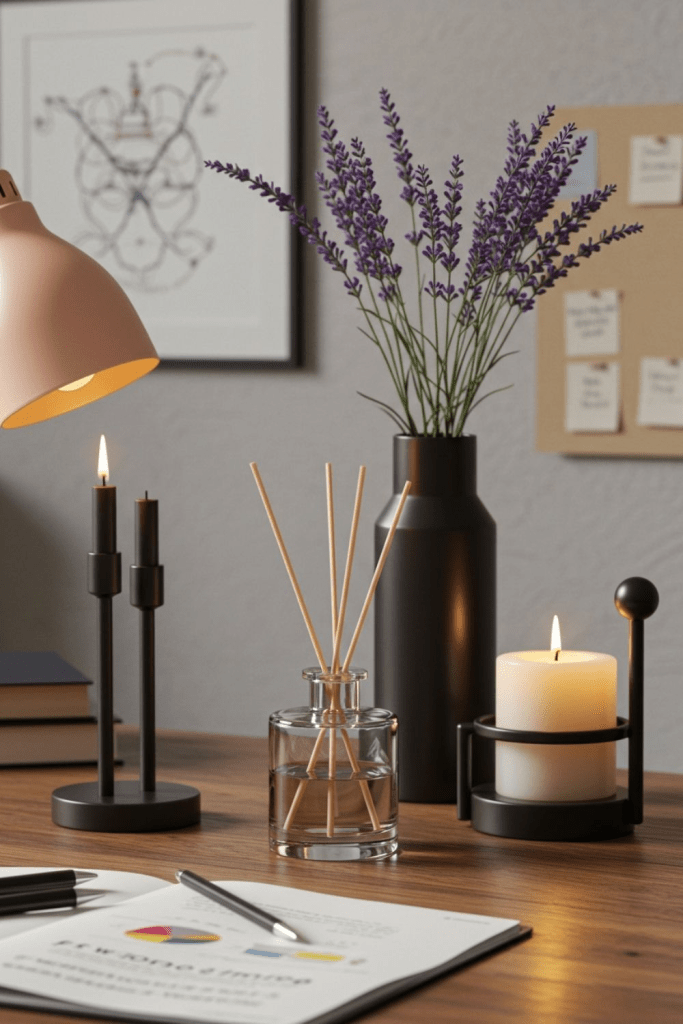
While essential oils aren’t generally flammable when properly diluted and used, they are derived from plant materials that contain flammable compounds. Don’t use them near open flames, and be cautious with wax warmers. Never leave diffusers, warmers, or any aromatherapy device running unattended for extended periods, and always follow manufacturer safety guidelines.
Building Your Aromatherapy Routine: Practical Implementation
Knowing techniques is one thing; actually implementing them consistently is another. Here’s how to make aromatherapy a natural part of your work-from-home rhythm rather than another thing on your already-overwhelming to-do list.
Start Small and Specific
Don’t try to revolutionize your entire workday overnight. Pick one specific challenge you’re facing maybe that afternoon energy slump, or difficulty focusing during morning work sessions, or trouble “turning off” work mode in the evening.
Address just that one issue with aromatherapy for a week or two. Notice what works, what doesn’t, and how you naturally want to adjust the practice. This focused approach is far more likely to stick than trying to implement five different aromatherapy techniques simultaneously.
I started by only using peppermint during afternoon slumps. That’s it. Once that became habitual (took about two weeks), I added morning focus diffusing. Then later, the evening transition ritual. Building gradually meant each element had time to become genuinely integrated into my routine rather than feeling like an extra burden.
Link to Existing Habits
Habit stacking attaching new behaviors to established ones is remarkably effective. If you already have a morning routine where you make coffee and check your calendar, add “set up diffuser” to that sequence. If you always take a lunch break walk, make refilling or adjusting your aromatherapy setup part of your return-to-desk routine.
These connections help aromatherapy become automatic rather than requiring constant conscious decision-making. After a while, you’ll reach for your essential oils without thinking about it, the same way you automatically reach for your coffee mug.
Track What Works
Keep simple notes about which oils and blends actually impact your work experience. Not everything will resonate with you, and that’s completely normal. Personal chemistry, past scent associations, and individual neurology all influence how essential oils affect you.
I keep a small note in my phone where I jot down observations: “Rosemary before writing sessions = more focused,” or “Lavender at 5 PM helps work-life transition.” Over time, these notes reveal patterns that help you refine your practice into something uniquely effective for you rather than just following general recommendations.
Adjust Seasonally
Your aromatherapy needs will likely shift with seasons. During dark winter months, you might need more energizing, mood-boosting scents. Summer might call for lighter, fresher options. Cold and flu season might mean emphasizing eucalyptus and tea tree.
I’ve found that allowing my practice to evolve seasonally keeps it feeling fresh and relevant rather than becoming stale routine. It also acknowledges that your work-from-home experience isn’t static it’s influenced by daylight, weather, seasonal energy fluctuations, and changing work demands throughout the year, similar to how I approach designing meditation corners that adapt to seasonal needs.
Common Mistakes to Avoid
Learning from others’ mistakes is far less painful than making them all yourself. Here are the pitfalls I’ve encountered or observed in my aromatherapy journey.
Overusing or Mixing Too Many Scents
More is not better with essential oils. Using too much or mixing too many different scents creates olfactory chaos rather than therapeutic benefit. Your nose becomes confused, you can develop headaches, and you waste expensive oils.
Stick to blends of 3-4 oils maximum. Use the minimum effective amount in your diffuser or DIY projects. If you can’t clearly smell the benefits of what you’re using, your first instinct might be to add more resist this. Instead, check your equipment (is your diffuser working properly?), ensure your oils haven’t expired, or simply give your nose a break before trying again.
Expecting Instant Miracles
Aromatherapy is powerful but subtle. It supports your productivity and wellbeing; it doesn’t replace proper sleep, nutrition, stress management, and healthy work practices. If you’re running on four hours of sleep and surviving on coffee and anxiety, no amount of rosemary oil will make you feel genuinely focused and energized.
Think of aromatherapy as one tool in your work-from-home wellness toolkit, not a magic solution that compensates for poor overall self-care.
Ignoring Your Body’s Signals
If a scent causes headaches, nausea, or any discomfort stop using it. This seems obvious, but I’ve watched people push through adverse reactions because they read that a particular oil “should” help with something. Your body’s response is more important than any generalized benefit list.
Similarly, if an oil that once worked well suddenly starts bothering you, take a break from it. Sensitivities can develop over time, and rotating which oils you use regularly can help prevent this.
Neglecting Cleaning and Maintenance
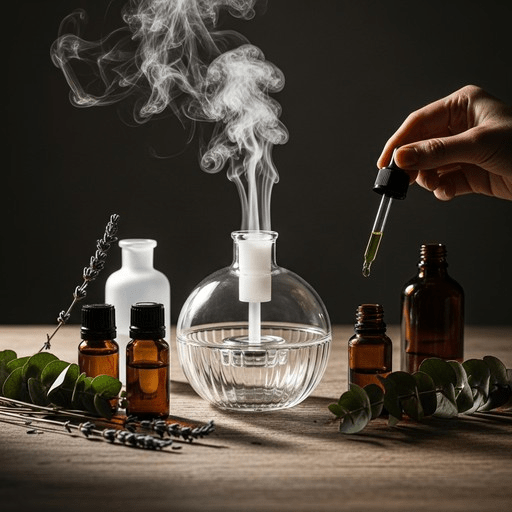
Diffusers need regular cleaning or they become breeding grounds for mold and bacteria. That defeats the entire purpose of creating a healthier workspace. Clean your diffuser according to manufacturer instructions usually weekly with vinegar and water, followed by thorough rinsing.
Wax warmers need regular cleaning too. Old wax residue affects the scent of new melts and eventually becomes a crusty mess that’s much harder to clean than if you’d addressed it regularly.
The Bigger Picture: Aromatherapy as Self-Care
Beyond productivity hacks and focus techniques, incorporating aromatherapy into your work-from-home life is fundamentally an act of self-care. It’s a way of acknowledging that your environment matters, that your sensory experience affects your wellbeing, and that you deserve to feel good in the space where you spend the majority of your waking hours.
Working from home can be isolating. It can blur boundaries until you’re never fully “at work” or “at home” you’re just always kind of both, which is exhausting. Creating intentional sensory experiences through aromatherapy helps reclaim some of that boundary and makes your workspace feel more thoughtfully designed rather than just the corner of your house where you happen to have put a desk.
It’s also an accessible form of wellness. You don’t need expensive equipment, extensive training, or significant time investment. A few bottles of quality essential oils, a basic diffuser, and willingness to experiment are all that’s required to begin transforming your work-from-home experience.
Getting Started Today
If you’re feeling motivated to try this, here’s a simple action plan:
Week 1: Acquire 2-3 essential oils (I recommend starting with peppermint and lavender they’re versatile, affordable, and unlikely to cause sensitivities). Get a basic ultrasonic diffuser or make a simple room spray.
Week 2: Experiment with timing. Try morning diffusing, afternoon energy support, and evening transitions. Notice which application times feel most beneficial for you.
Week 3: Refine based on your observations. Adjust scent strength, timing, or oil choices based on what’s actually working for your unique situation.
Week 4: Consider adding one more complexity level maybe a custom blend for a specific work scenario, or trying a different application method like a personal inhaler or reed diffuser.
The key is approaching this as an experiment rather than a rigid system. What works beautifully for one person might do nothing for another. Give yourself permission to adjust, change your mind, and find your own aromatherapy style that complements both your work needs and your personal aesthetic preferences.
Final Thoughts
Simple DIY aromatherapy has genuinely transformed how I experience my work-from-home days. It’s not dramatic or flashy there was no single moment where everything suddenly changed. Instead, it’s been a gradual improvement in how I feel during my workday, how effectively I transition between different types of tasks, and how successfully I maintain boundaries between work and personal life when they share the same physical space.
Your home office should support you, not just house you. It should be a space where you can do your best work while also protecting your wellbeing. Aromatherapy is one beautifully simple way to elevate that space from purely functional to genuinely supportive, just like the mindfulness practices we can integrate throughout our homes.
Start small, stay curious, and pay attention to what makes you feel good. Your ideal work-from-home aromatherapy practice is waiting to be discovered and it’s probably simpler than you think.
What aromatherapy techniques have transformed your work-from-home experience? Share your favorite essential oil combinations and DIY recipes in the comments below! And if you’re looking for more ways to create a workspace that truly supports your wellbeing, explore our guides on mindful home design
 Linda Designs | Home Decor, Interior Design & Lifestyle Inspiration