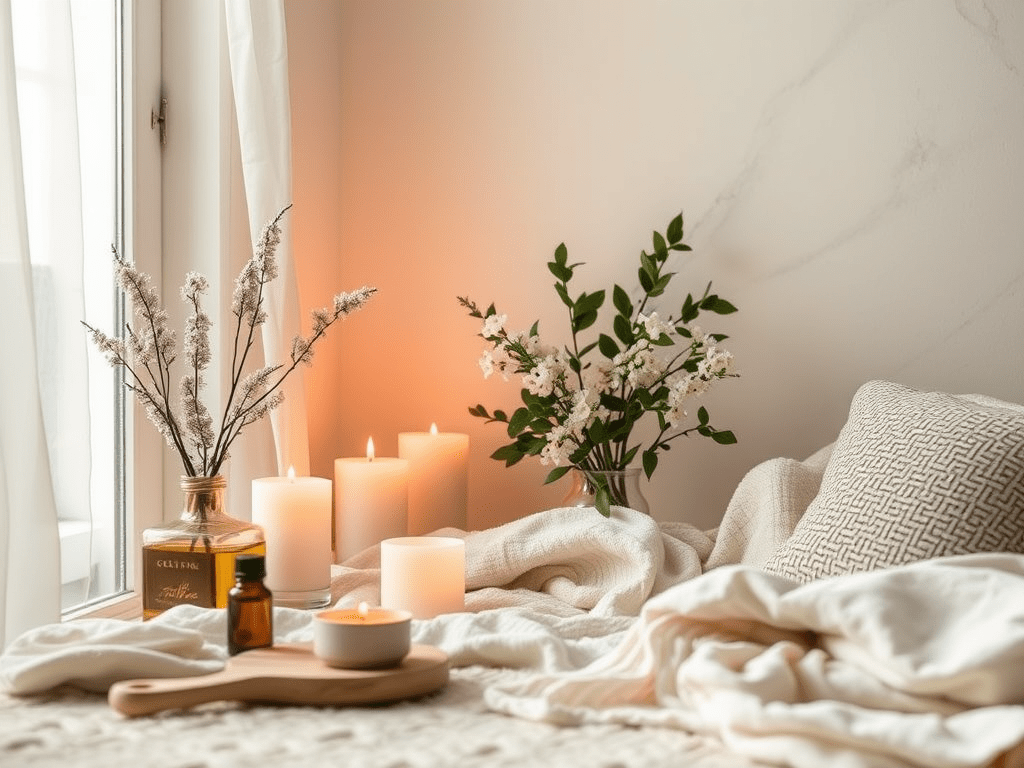
- Transform Your Home Into a Sensory Sanctuary: The Complete Guide to Using Scent and Sound for Calm
- The Science Behind Sensory Calm: Why Scent and Sound Actually Work
- Creating Your Scent Strategy From Essential Oils to Natural Fragrances
- Soundscaping Your Home:Creating Auditory Peace Room by Room
- Combining Scent and Sound:The Synergy Effect
- Common Mistakes and How to Avoid Them
- Budget-Friendly Approaches: Creating Calm Without Breaking the Bank
- Measuring Your Success: How to Know It’s Working
- Taking It Further: Advanced Integration
- Your Calm Awaits , Starting Today
- Frequently Asked Questions About Scent and Sound for Home Calm
Transform Your Home Into a Sensory Sanctuary: The Complete Guide to Using Scent and Sound for Calm
Life moves fast. Too fast, sometimes.
Our homes should be refuges places where we can breathe, decompress, and genuinely relax. Yet how often do we walk through our front doors still carrying the weight of the day, our minds racing, our bodies tense? The good news? You don’t need a complete home renovation or an expensive spa membership to create profound calm in your living space. Two powerful, often overlooked tools are already at your disposal: scent and sound.
These sensory elements work directly on our nervous system, bypassing the thinking mind to trigger immediate physiological responses. Think about it. A certain song instantly transports you back to a specific moment. The smell of fresh bread makes you feel instantly hungry. These aren’t coincidences they’re evidence of how deeply our senses influence our emotional and physical states.
As a blogger enthusiat passionate about wellness I spent years exploring the intersection of interior design and wellbeing, I’ve witnessed firsthand how intentional sensory design transforms not just spaces, but lives. I’ve witness family and colleagues struggling with chronic stress, sleep disorders, and anxiety and seen them find genuine relief through thoughtfully designed sensory environments. This isn’t just about aesthetics. It’s about crafting environments that actively support our mental health and daily rhythms.
If you’re looking to create a dedicated space for mindfulness practices, check out my Beginner’s Guide to Meditation Corners at Home, which pairs beautifully with the sensory strategies I’m about to share.
And the best part? You can start creating these changes today, right now, with what you already have.
Let’s dive deep into the science, the practical applications, and the creative possibilities of using scent and sound to cultivate lasting calm in your home.
The Science Behind Sensory Calm: Why Scent and Sound Actually Work
How Your Brain Processes Scent
Your olfactory system has a direct highway to your brain’s emotional center. When you inhale a scent, molecules travel through your nasal cavity and immediately connect with the limbic system the part of your brain responsible for emotions, memories, and even hormone regulation. This connection is instantaneous. No other sense has such direct access to your emotional command center.
Research published in the Journal of Alternative and Complementary Medicine has shown that certain essential oils can reduce cortisol levels (your primary stress hormone) by up to 24% within minutes of inhalation. Lavender, for instance, doesn’t just smell pleasant it actively engages with GABA receptors in your brain, the same ones targeted by anti-anxiety medications, producing a genuine calming effect.
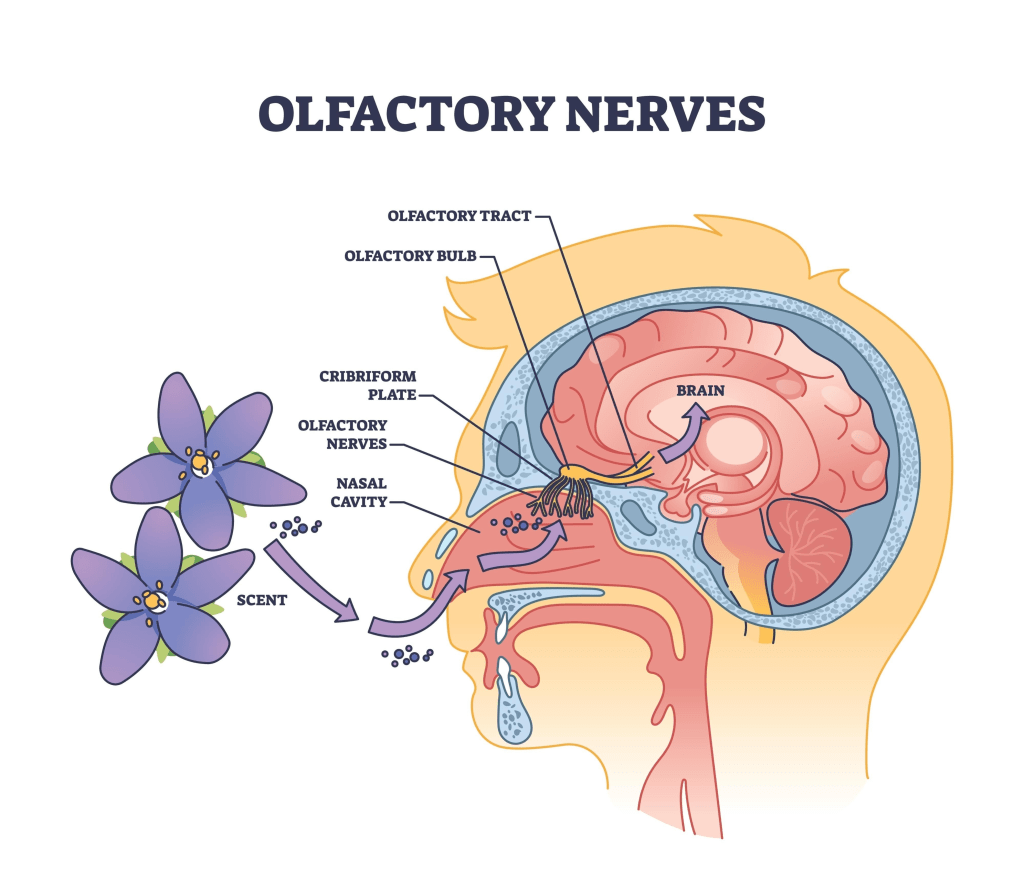
But here’s where it gets interesting: scent works on both conscious and unconscious levels. Even when you’re not actively noticing a fragrance, your body is responding to it. This makes scent one of the most powerful yet subtle tools for environmental design.
According to the National Center for Complementary and Integrative Health (NCCIH), aromatherapy has been shown to influence autonomic nervous system activity, affecting everything from blood pressure to immune function. This isn’t pseudoscience it’s measurable physiological response.
The Profound Impact of Sound on Your Nervous System
Sound vibrations don’t just stop at your ears. They travel through your entire body, influencing heart rate, blood pressure, and brainwave patterns. When you listen to calming music or nature sounds, your parasympathetic nervous system the “rest and digest” mode becomes activated, literally reversing your body’s stress response.
Studies from the American Psychological Association demonstrate that specific sound frequencies can shift brainwave states from beta (alert, sometimes anxious) to alpha (relaxed yet aware) or even theta (deeply meditative). A 2020 study in Nature found that listening to natural soundscapes for just 10 minutes significantly improved mood and cognitive performance compared to urban noise.

The rhythm and tempo matter too. Sounds with a tempo around 60 beats per minute can synchronize with your resting heart rate, creating a phenomenon called “entrainment” where your body naturally slows down to match the external rhythm. This is why lullabies work for babies and why they work for adults too, if we’re honest.
Research from the Cleveland Clinic indicates that sound therapy can reduce pain perception, lower stress hormones, and improve sleep quality all through non-invasive, easily accessible methods.
Creating Your Scent Strategy From Essential Oils to Natural Fragrances
Choosing the Right Scents for Different Moods and Spaces
Not all calming scents work the same way. Some energize while soothing. Others ground you. Still others help you sleep. Understanding these nuances helps you create a more sophisticated sensory environment.
For deep relaxation and sleep:
- Lavender (the classic for good reason reduces anxiety and improves sleep quality)
- Chamomile (gentle, nurturing, perfect for bedrooms)
- Vetiver (earthy and grounding, particularly effective for racing thoughts)
- Sandalwood (warm and meditative, supports deeper breathing)
For focused calm:
- Bergamot (uplifting yet soothing, reduces stress without sedation)
- Frankincense (promotes mindful awareness and centering)
- Cedarwood (grounding and stabilizing, excellent for meditation)
For tension relief:
- Eucalyptus (opens airways, releases physical tension)
- Peppermint (cooling and clarifying, relieves mental fog)
- Ylang ylang (balances emotions, particularly effective for stress-related tension)
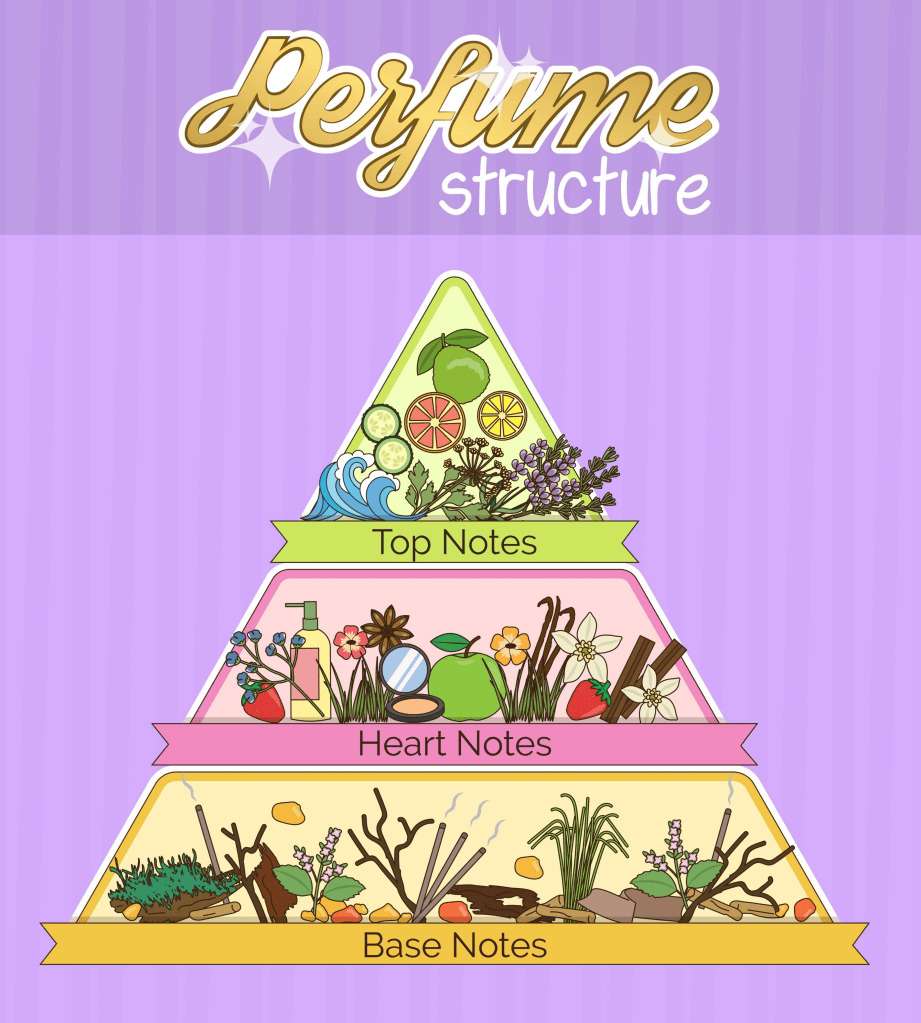
Consider creating scent zones in your home. Your bedroom might feature lavender and chamomile for sleep support, while your living room could incorporate bergamot and cedarwood for alert relaxation.
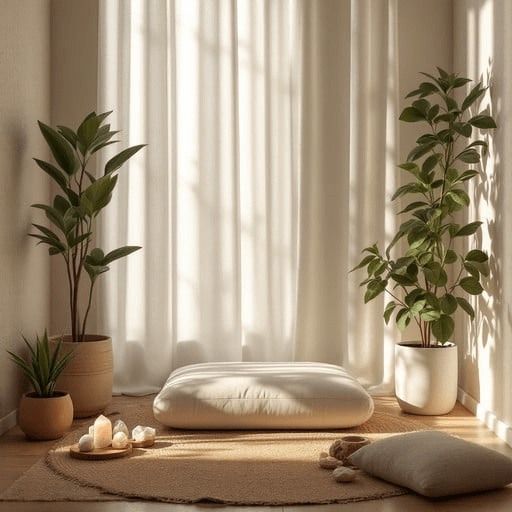
If you’ve already established a meditation corner at home, adding frankincense or sandalwood can deepen your practice significantly. These woody, resinous scents have been used in spiritual practices for thousands of years precisely because they support focused awareness and inner stillness.
Delivery Methods That Actually Work (Beyond Candles)
Candles are lovely, but they’re not your only option and sometimes not even the best one. Here’s what actually works:
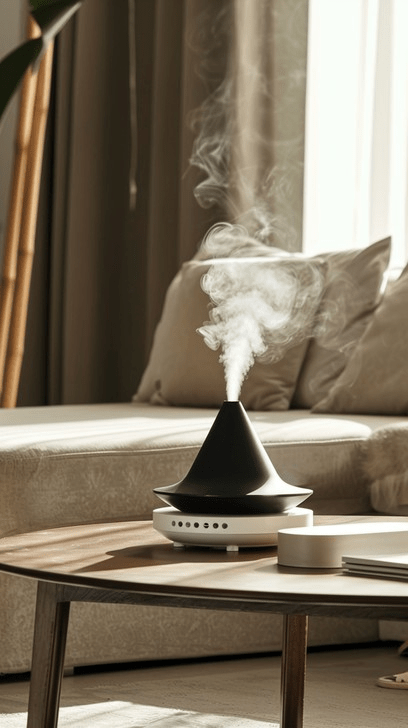
Ultrasonic diffusers are my go-to recommendation for clients. They disperse essential oils without heat, preserving their therapeutic properties. Plus, many add humidity to the air, which is beneficial during dry seasons. Run them for 30-minute intervals to avoid olfactory fatigue.
Reed diffusers provide constant, subtle fragrance without electricity. Perfect for bathrooms and entryways. Choose ones with natural, unbleached reeds for best results.
Scent sachets filled with dried lavender, rose petals, or cedar chips work beautifully in closets, drawers, and small spaces. They’re also wonderfully sustainable you can refill them indefinitely.
Natural room sprays give you instant scent control. Mix distilled water with witch hazel and 20-30 drops of essential oils in a spray bottle. Shake well before each use.
Fresh plants and herbs shouldn’t be underestimated. A pot of lavender on your windowsill, eucalyptus branches in your shower, or fresh rosemary in your kitchen provide gentle, authentic fragrance plus the psychological benefits of caring for living things.
For those incorporating daily mindfulness habits in the bedroom, consider keeping a small dish of essential oil-soaked cotton balls on your nightstand. The subtle scent becomes part of your evening wind-down ritual.
Safety First What You Need to Know About Essential Oils
Pure essential oils are potent. Respect them.
Important safety guidelines from aromatherapy experts:
Never apply undiluted oils directly to skin unless specifically formulated for that purpose. Always dilute with a carrier oil (coconut, jojoba, sweet almond) at a ratio of 1-2 drops essential oil per teaspoon of carrier oil.
Pet safety is critical. If you have pets, research carefully before diffusing any essential oils. Many oils that are safe for humans can be toxic to cats and dogs. According to the ASPCA Animal Poison Control, tea tree, wintergreen, pennyroyal, pine oils, and citrus oils can be dangerous for animals. Cats are particularly sensitive because they lack certain liver enzymes needed to metabolize essential oils. When in doubt, consult your veterinarian.
Safe alternatives for pet owners:
- Use oils in rooms pets don’t access
- Ensure excellent ventilation when diffusing
- Keep diffuser sessions short (15-20 minutes)
- Consider pet-safe options like cedarwood, frankincense, or chamomile in very diluted amounts
- Never apply oils to pet bedding or collars
Pregnancy and nursing considerations: Pregnant women should avoid certain oils entirely, including rosemary, clary sage, juniper, and most concentrated forms during the first trimester. Always consult with a healthcare provider before using aromatherapy during pregnancy or while nursing.
Children and essential oils: Young children require significantly diluted concentrations. For children under 2, most practitioners recommend avoiding essential oils entirely or using only extremely diluted hydrosols. For children 2-10, use 1/4 to 1/2 the adult concentration.
Quality matters enormously. Cheap, synthetic “fragrance oils” won’t provide therapeutic benefits and may contain harmful chemicals. Look for 100% pure essential oils from reputable suppliers. Check for Latin botanical names on labels Lavandula angustifolia rather than just “lavender oil” as this indicates authenticity. Third-party testing certifications (GC/MS reports) are a good sign of quality.

Soundscaping Your Home:Creating Auditory Peace Room by Room
Understanding Different Types of Calming Sounds
Not everyone finds the same sounds relaxing. What works for you might drive someone else crazy. That’s okay! The key is understanding the different categories and experimenting to find your perfect match.
Nature sounds (rain, ocean waves, forest ambience, thunderstorms) consistently rank highest in relaxation studies according to research from the Sleep Foundation. There’s something primally soothing about them. They mask intrusive urban noise while connecting us to natural rhythms. Ocean waves, particularly, have that entrainment quality their rhythmic ebb and flow naturally slows breathing and heart rate.
Binaural beats use slightly different frequencies in each ear to create a third “phantom” frequency that your brain perceives. Specific frequencies correspond to different mental states: delta (0.5-4 Hz) for deep sleep, theta (4-8 Hz) for meditation, alpha (8-13 Hz) for relaxed focus. These require headphones to work properly.
Ambient and meditation music features sustained tones, minimal melody, and slow progression. Think Tibetan singing bowls, gongs, or drone-based compositions. This type of music doesn’t demand your attention but creates a sonic cushion that supports relaxation.
White, pink, and brown noise provide steady, consistent sound across frequencies:
- White noise includes all frequencies equally (like static)
- Pink noise emphasizes lower frequencies (like gentle rainfall)
- Brown noise goes even deeper (like ocean surf or distant thunder)
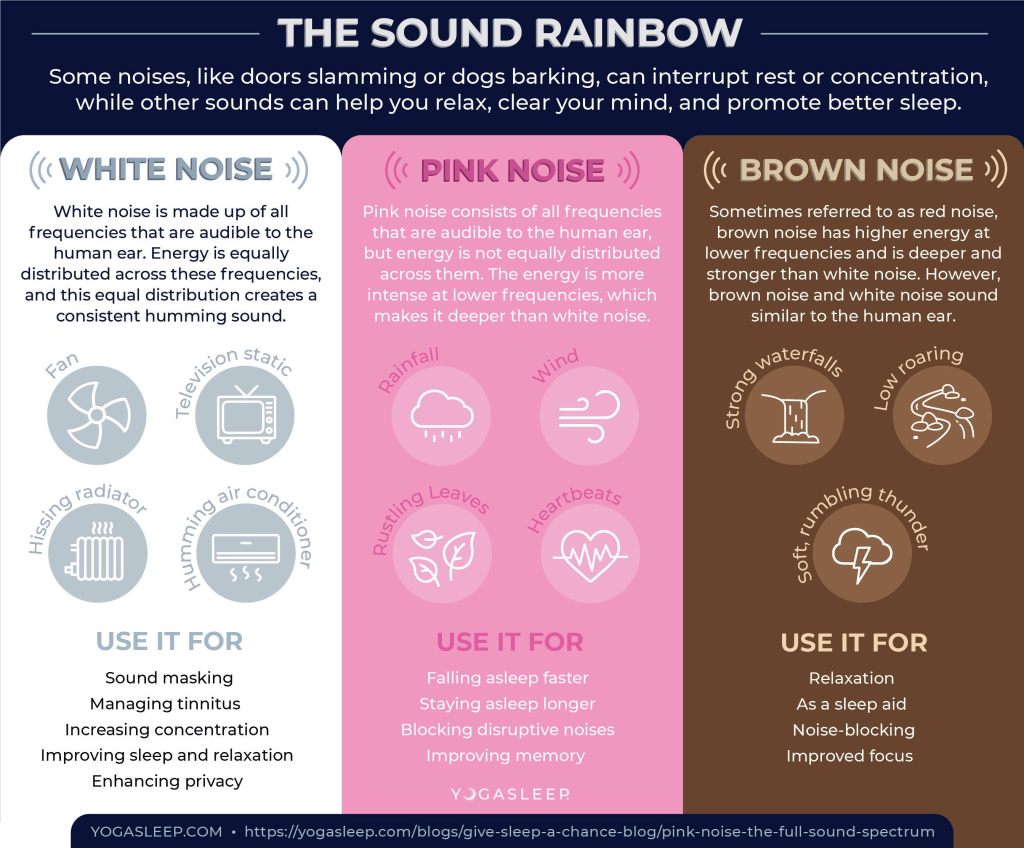
These are particularly effective for sleep and focus because they mask disruptive environmental sounds. Many people find brown noise most naturally calming because it mimics sounds found in nature.
Silence deserves mention too. Sometimes the most calming sound is no sound at all. Strategic quiet moments allow your auditory system to reset and can make intentional sound even more effective when you do use it.
Smart Sound Solutions for Every Space
Your kitchen doesn’t need the same soundscape as your bedroom. Tailor your approach to each room’s function.
Bedroom soundscaping should support sleep cycles. Use a dedicated sound machine or app that can run all night without interruption. Many people find brown noise or gentle rain most effective for sleep. If you prefer music, ensure it’s instrumental and free from sudden dynamic changes that might jar you awake.
Position speakers away from your pillow to avoid concentration of sound. Some people benefit from a very quiet volume you should barely consciously hear it. Others prefer more presence. Experiment to find your threshold.
Living room and common areas work well with nature soundscapes or ambient music during evening hours. During the day, you might enjoy more upbeat but still calming music perhaps acoustic guitar or light jazz. Create playlists for different times of day to support your natural energy rhythms.
Home office or creative spaces benefit from focus-enhancing sounds. Many people find instrumental music (lo-fi beats, classical, jazz) or pink noise helpful for concentration. Avoid anything with lyrics if you’re doing language-based work your brain will try to process the words even unconsciously.
Bathrooms become instant spa spaces with the right sound. A small waterproof speaker playing gentle nature sounds transforms a regular bath into a retreat experience. Shower time can incorporate more energizing sounds if you’re preparing for the day.

Technology and Tools for Home Sound Design
You don’t need expensive equipment to create effective soundscapes, but the right tools make it easier and more consistent.
Dedicated sound machines offer reliability and simplicity. Look for ones with multiple sound options, timer functions, and the ability to run continuously. Many now include app control so you can adjust settings without getting out of bed.
Smart speakers (Amazon Echo, Google Home, Apple HomePod) provide tremendous versatility. You can voice-control them, create routines that automatically play specific sounds at certain times, and access endless streaming content. Set up a bedtime routine that dims lights and starts your chosen sleep sounds simultaneously.
Streaming services and apps like Spotify, Apple Music, Calm, Headspace, and Insight Timer offer curated soundscapes and music specifically designed for relaxation. Many are free or very affordable. Create themed playlists: “Morning Calm,” “Afternoon Focus,” “Evening Wind-Down,” “Deep Sleep.”
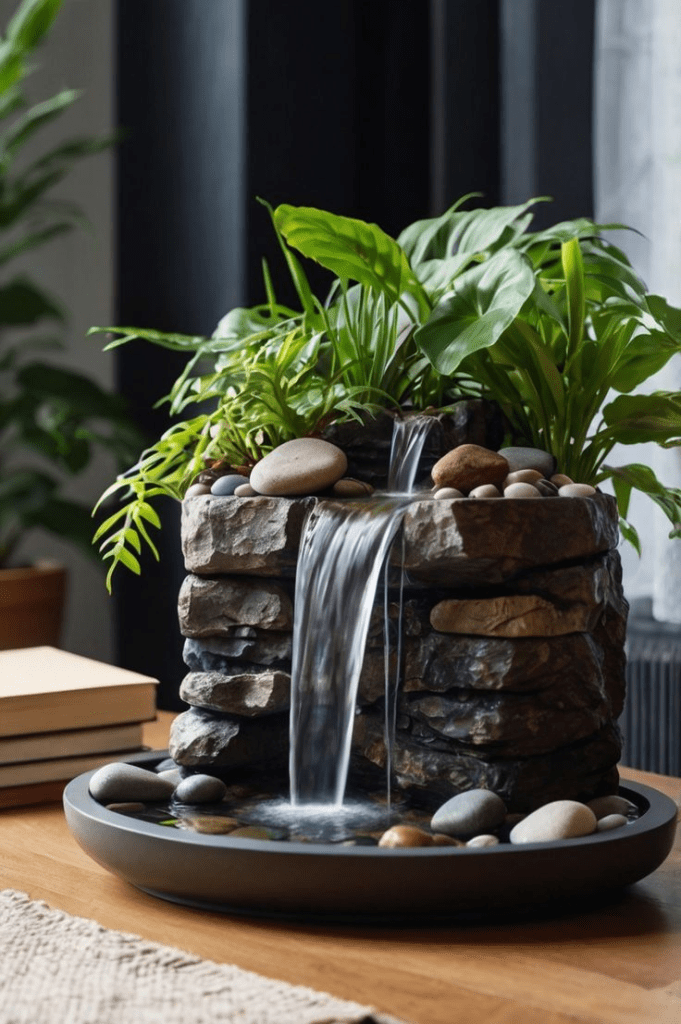
Tabletop fountains provide gentle, real water sounds there’s something irreplaceable about authentic sound. They also add humidity and visual interest. Choose ones with adjustable flow so you can control the volume.
Consider the acoustics of your space too. Hard surfaces (tile, hardwood, glass) reflect sound and can make things feel harsher. Soft furnishings (rugs, curtains, upholstered furniture) absorb sound and create warmer acoustics. This is part of why heavily furnished rooms often feel cozier they literally sound softer.
Combining Scent and Sound:The Synergy Effect
Creating Multi-Sensory Rituals
When you combine scent and sound intentionally, something powerful happens. The two senses amplify each other, creating experiences that are greater than the sum of their parts.
Consider your evening wind-down ritual. As you transition from work to rest, you might:
- Start by diffusing lavender and bergamot in your living space
- Put on a theta-wave meditation track or gentle nature sounds
- Dim the lights gradually over 30 minutes
- Sit comfortably and simply breathe, allowing the scent and sound to guide your nervous system into relaxation
This multi-sensory approach signals to your body that it’s time to shift gears. Over time, these cues become powerfully associated with relaxationyour body begins the unwinding process as soon as you start the ritual.
Morning rituals can be energizing yet calm. Try:
- Opening windows for fresh air and natural light
- Diffusing citrus scents (orange, grapefruit, lemon) which are uplifting without being jarring
- Playing gentle, instrumental music with a slightly faster tempo to energize naturally
- Doing some light stretching or movement
The key is consistency. Your nervous system loves predictability. When you repeat these sensory combinations regularly, they become shortcuts to your desired state.

Seasonal and Situational Adjustments
Your sensory needs change throughout the year and with different life circumstances. Stay flexible.
Winter months might call for warmer, grounding scents like cinnamon, clove, and vanilla paired with cozy acoustic sounds or crackling fireplace recordings. The darkness and cold naturally slow us down work with it rather than against it.
Summer often feels better with lighter, fresher scents (mint, basil, coconut) and more ambient sounds that evoke openness ocean waves, distant thunder, light rain. You might also need less scent overall as warm air carries fragrance more effectively.
During stressful periods, lean more heavily on your calming sensory tools. This isn’t indulgence it’s maintenance. Increase your use of grounding scents and longer sound sessions. Your environment can become a therapeutic tool during difficult times.
When hosting guests, consider that strong scents can be overwhelming or trigger sensitivities. Opt for lighter fragrances or none at all, and keep sound as pleasant background rather than a focal point. Not everyone appreciates the same sensory input.
Common Mistakes and How to Avoid Them
Sensory Overload when More Isn’t Better
The biggest mistake people make? Too much of everything, all at once. Just because lavender is calming doesn’t mean filling your entire house with it will make you calmer. In fact, it’ll likely do the opposite.
Olfactory fatigue is real. After about 20-30 minutes of continuous exposure to a scent, your nose essentially stops registering it. This doesn’t mean it’s not working your body is still responding but you’ll stop consciously smelling it. Resist the urge to add more oil or turn up the diffuser. Less is genuinely more with scent.
Similarly, having multiple sound sources competing creates audio chaos rather than calm. Choose one primary soundscape per space and stick with it during that session.
Ignoring Your Individual Response
Those “top 10 calming scents” lists? They’re generalizations. If lavender makes you think of your grandmother’s bathroom and gives you a headache, it’s not calming for you regardless of what studies say.
Pay attention to your actual experience. Notice how different scents and sounds make you feel, not how you think they should make you feel. Keep a simple log for a week or two: “Tried bergamot in morning felt alert and positive” or “Ocean sounds at bedtime, too stimulating, couldn’t sleep.” This personal data is more valuable than any article (including this one).

Neglecting Maintenance and Quality
Diffusers get grimy. Sound machines collect dust. Essential oils oxidize and lose potency.
Clean your diffusers weekly according to manufacturer instructions usually a simple vinegar rinse does the trick. This prevents buildup that can affect mist output and even grow mold.
Store essential oils properly: cool, dark places away from sunlight. Most last 1-2 years when stored correctly, but citrus oils oxidize faster (about 6 months). Expired oils smell “off” and lose therapeutic benefits.
Replace sound machine speakers if they start crackling or distorting. Quality matters here harsh, low-quality sound is counterproductive to calm.
Budget-Friendly Approaches: Creating Calm Without Breaking the Bank
You don’t need hundreds of dollars to start implementing these strategies. In fact, some of the most effective approaches cost almost nothing.
DIY scent solutions:
- Simmer orange peels, cinnamon sticks, and cloves on the stove for natural home fragrance
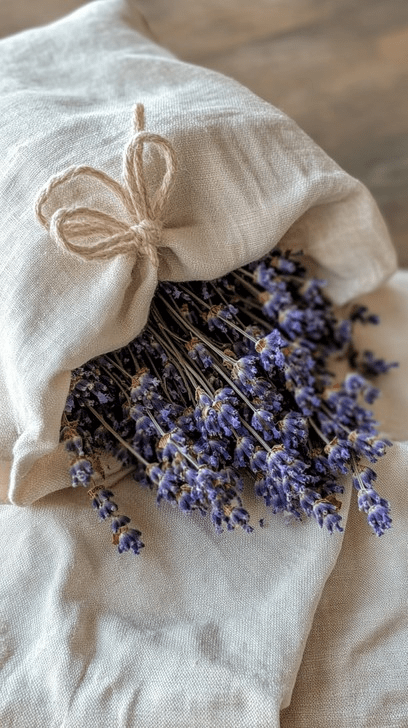
- Place dried lavender in small cloth bags throughout your home
- Crush fresh herbs like rosemary or mint to release scent
Free sound resources:
- YouTube offers thousands of hours of nature sounds, meditation music, and ambient tracks
- Many streaming services have free tiers with ads acceptable for background sound
- Free apps like MyNoise, Rain Rain, and Atmosphere provide customizable soundscapes
- Simply opening windows brings in natural sound birds, wind, rain at zero cost
Repurposing what you have:
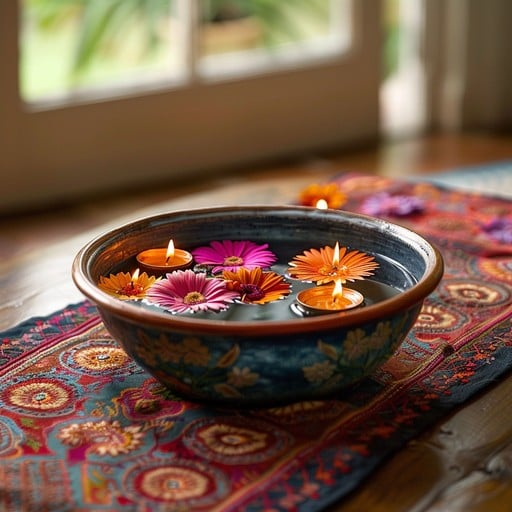
- Use a ceramic bowl with water and floating tea candles instead of buying an expensive diffuser
- A phone or tablet plays sound just fine you don’t need dedicated speakers
- Mason jars with holes punched in lids make excellent potpourri holders
Start with one room or even one ritual. Master that before expanding. A deeply effective evening routine in your bedroom delivers more benefit than mediocre sensory attempts throughout your entire house.
Measuring Your Success: How to Know It’s Working
Sensory design isn’t about perfection. It’s about improvement. How do you know if your efforts are paying off?
Subjective markers matter most:
- Do you feel more relaxed when entering your space?
- Are you sleeping better?
- Do you feel less physically tense?
- Can you transition from work to rest more easily?
- Are you experiencing fewer stress headaches or less jaw clenching?
Behavioral indicators provide concrete feedback:
- Reaching for your phone less frequently
- Spending more time reading, meditating, or engaging in calming activities
- Looking forward to being home rather than dreading it
- Guests commenting on how peaceful your space feels
Physical responses you might notice:
- Deeper breathing without conscious effort
- Lower shoulders (many of us carry tension there without realizing)
- Improved digestion (stress significantly impacts gut function)
- Fewer sleep disruptions
Give changes at least two weeks before evaluating. Your nervous system needs time to adjust and form new associations. Some people notice immediate effects, but sustained benefits typically emerge with consistency.
Taking It Further: Advanced Integration
Once you’ve mastered the basics, you can explore more sophisticated applications.
Circadian rhythm support: Align your sensory environment with natural light patterns. Use energizing scents and brighter sounds in the morning, transitioning to calming ones as evening approaches. This supports your body’s natural hormonal rhythms, particularly melatonin production for sleep.
Therapeutic applications: If you’re dealing with anxiety, chronic pain, or sleep disorders, structured sound therapy and clinical aromatherapy can provide significant support. Consider working with a certified aromatherapist or sound healing practitioner for personalized protocols. These professionals can design specific approaches for your unique needs.
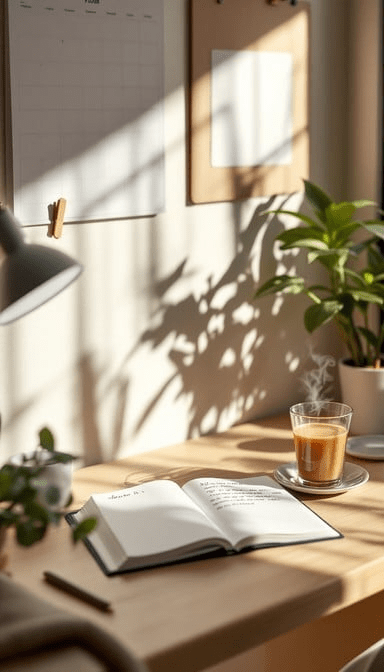
Integrating with other wellness practices: Combine your sensory design with yoga, meditation, journaling, or other mindfulness practices. The sensory elements become anchors that deepen your practice and make it more accessible. Over time, simply smelling your meditation scent or hearing your usual sound can drop you into a calmer state almost instantly.
Your Calm Awaits , Starting Today
Creating a calming home environment through scent and sound isn’t complicated, but it does require intentionality. You’re not just decorating you’re designing experiences that shape how you feel in your own space.
Start small. Choose one scent and one sound that genuinely appeal to you. Use them consistently in one specific context perhaps your evening routine or morning meditation. Notice what happens over a week or two. Then expand from there.
Remember that this is personal. What creates calm for your friend, partner, or Instagram wellness influencer might not work for you. That’s completely fine. This is about discovering your unique sensory preferences and using them to create genuine wellbeing.
Your home should support you. It should help you regulate your nervous system, recover from daily stresses, and access states of peace and presence. Scent and sound are powerful, accessible tools that make this possible.
The sanctuary you’re seeking isn’t somewhere else. It’s not at the spa, the yoga studio, or on vacation (though those are lovely too). It’s right here, in your home, waiting for you to create it.
What will you try first?

Frequently Asked Questions About Scent and Sound for Home Calm
Q: How long should I diffuse essential oils for best results? A: Diffuse for 30-minute intervals with 30-minute breaks to prevent olfactory fatigue. Your body continues responding even after you stop consciously smelling the scent.
Q: Can I use multiple scents in one room? A: Limit to 2-3 complementary scents maximum. Lavender + bergamot or frankincense + cedarwood work well together. More than that creates confusion rather than calm.
Q: Which is better for sleep: white noise, pink noise, or brown noise? A: Brown noise is typically most effective for sleep due to its deeper, more natural frequencies. However, individual preference varies experiment to find what works for you.
Q: Are essential oils safe to diffuse around babies? A: Avoid diffusing around infants under 3 months. For babies 3-24 months, use only gentle oils like chamomile or lavender at very low concentrations (1-2 drops total) with excellent ventilation.
Q: How can I tell if an essential oil has expired? A: Expired oils smell “off” less vibrant or slightly rancid. Citrus oils expire fastest (6 months), while most others last 1-2 years when stored properly in cool, dark places.
Q: Can sound therapy actually reduce physical pain? A: Yes. Research shows certain frequencies can influence pain perception and reduce discomfort. However, it works best as complementary therapy alongside medical treatment, not as replacement.
Resources:
- National Center for Complementary and Integrative Health (NCCIH) – Aromatherapy Research
- American Psychological Association – Music and Health
- Cleveland Clinic – Aromatherapy Guide
- Sleep Foundation – Sound and Sleep Quality
- ASPCA Animal Poison Control – Essential Oil Safety
Related Articles:
Pin this for later! Create your sensory sanctuary one scent and sound at a time.
 Linda Designs | Home Decor, Interior Design & Lifestyle Inspiration