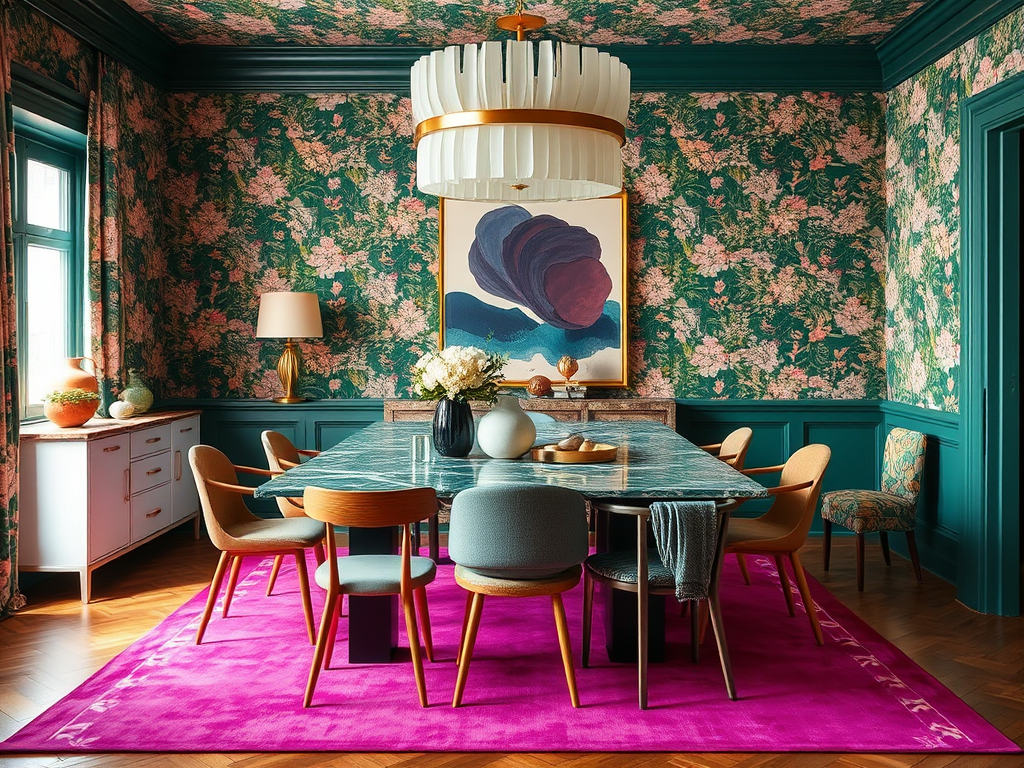
- Moving Beyond Minimalism: Why More is More This Fall
- Understanding Modern Maximalism (It’s Not Hoarding, Promise)
- Why Fall is Maximalism’s Natural Habitat
- Practical Maximalism: Room-by-Room Guide
- Sustainability Meets Maximalism
- Common Maximalist Mistakes (And How to Avoid Them)
- Making the Mental Shift
- Your Maximalist Fall Action Plan
- Embracing Your “More is More” Moment
- Frequently Asked Questions About Maximalism
Disclosure: I only recommend products I would use myself and all opinions expressed here are my own. This post may contain affiliate links that at no additional cost to you, I may earn a small commission
Moving Beyond Minimalism: Why More is More This Fall
There’s a quiet rebellion happening in living rooms across the country. Stark white walls? Gone. Sparse furniture arrangements? Abandoned. The tyranny of “less is more”? Overthrown.
We’ve spent the better part of a decade worshipping at the altar of minimalism, stripping our homes down to their bare essentials, convinced that empty surfaces would somehow fill our souls. But here’s the thing: they didn’t. And this fall, the design world is finally admitting what many of us have felt all along that sterile perfection lacks soul, warmth, and most importantly, personality.
Maximalism isn’t just coming back. It’s storming through our front doors with velvet cushions, patterned rugs, gallery walls, and an unapologetic “more is more” attitude that feels like coming home after years of aesthetic exile.
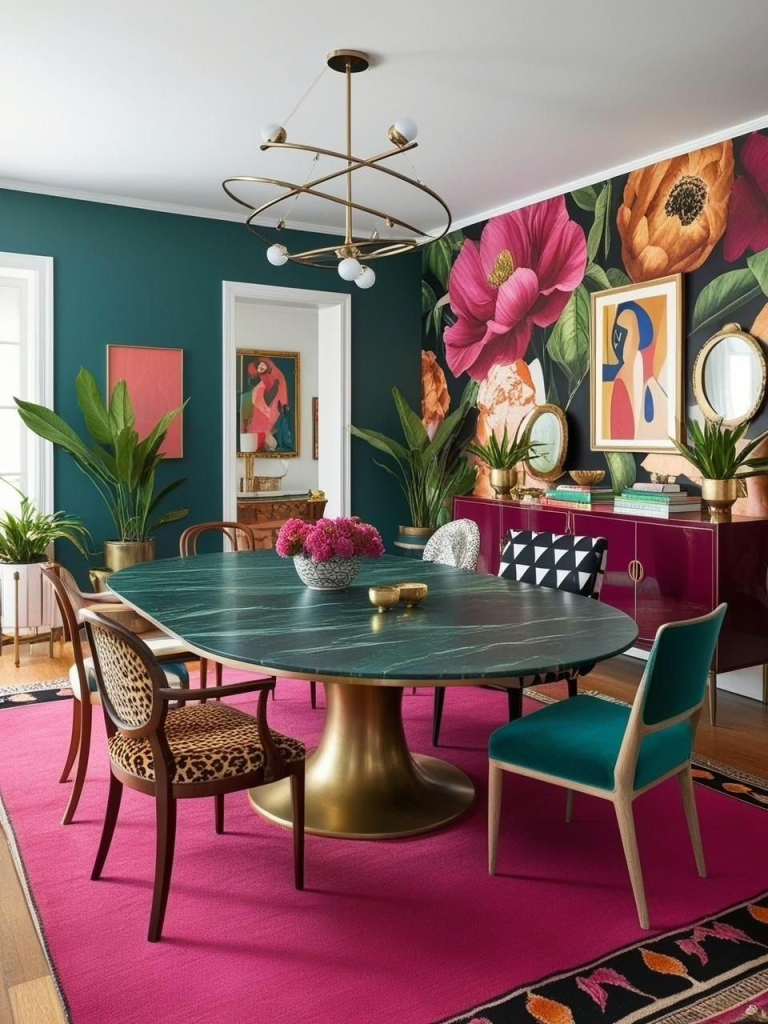
The Minimalist Hangover: Why We’re Craving More
Let’s be honest. Minimalism promised us peace, but delivered anxiety instead. How many times did you hesitate before placing a cherished trinket on your coffee table, worried it would “ruin the aesthetic”? How often did guests compliment your space while you secretly felt it looked more like a staged property listing than an actual home?
The minimal movement taught us discipline, sure. It showed us how to edit, how to curate, how to let go. Those lessons weren’t wasted. But somewhere along the way, we confused “intentional living” with “living without.” We started believing that fewer possessions equaled more happiness, that blank walls meant blank minds ready for creativity, that emptiness was somehow… full.
Spoiler alert: it wasn’t.
This fall, we’re waking up from that collective delusion. We’re realizing that the objects we love the vintage lamp from our grandmother, the boldly patterned throw pillow we bought on that trip to Morocco, the slightly excessive collection of coffee table books these things don’t clutter our lives. They tell our lives. They’re the visual autobiography that minimalism tried to erase.
The autumn maximalism movement recognizes something fundamental about human nature: we’re collectors, storytellers, and nest-builders at our core. Denying that doesn’t make us more enlightened. It just makes our homes colder.
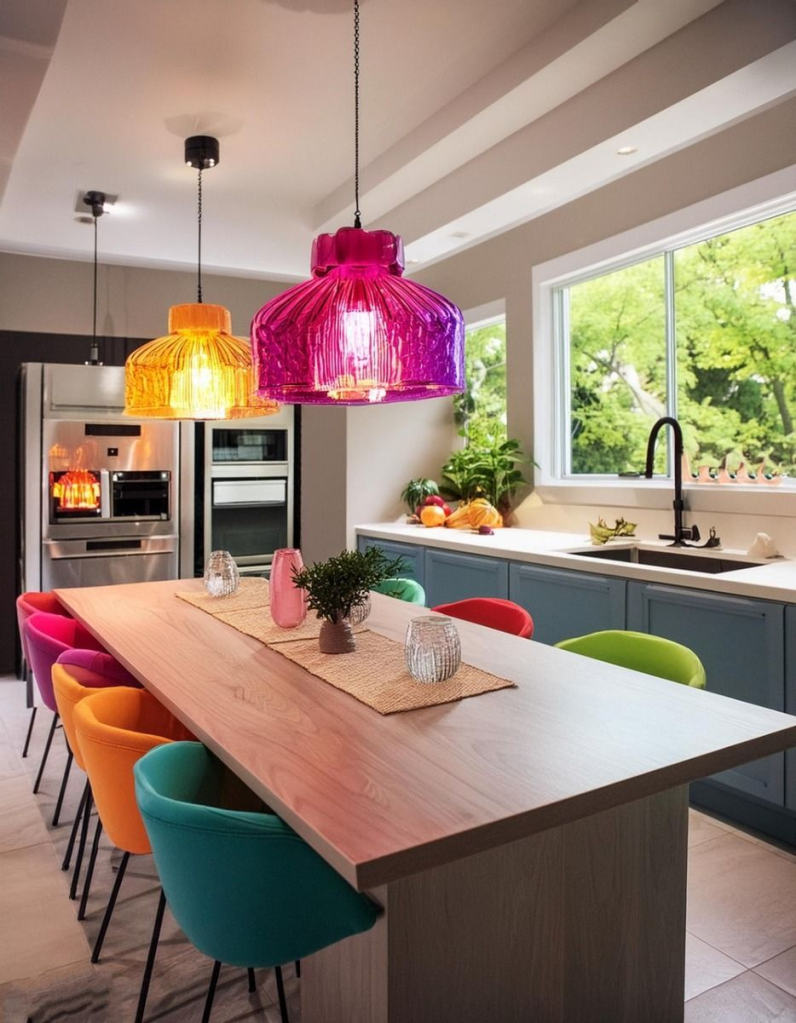
Understanding Modern Maximalism (It’s Not Hoarding, Promise)
Before you panic-purchase every decorative object at HomeGoods, let’s clarify something crucial. Today’s maximalism isn’t the cluttered chaos of your eccentric aunt’s living room (though we love her). It’s not about mindlessly accumulating stuff or creating visual noise that gives you a headache. Modern maximalism is intentional abundance a carefully curated celebration of more that actually requires more thought than minimalism, not less.
Think of it this way: minimalism is a haiku. Maximalism is a novel. Both are valid art forms, but only one gives you space for subplots, character development, and rich descriptive passages.
The Principles of Purposeful Maximalism
Layering with Intention
Every piece should serve a purpose even if that purpose is pure joy. That ceramic elephant holding your keys? Functional and delightful. The third patterned throw on your sofa? It adds textural depth and makes your couch instantly more inviting. Maximalism layers meaning, not mess.
Color Confidence
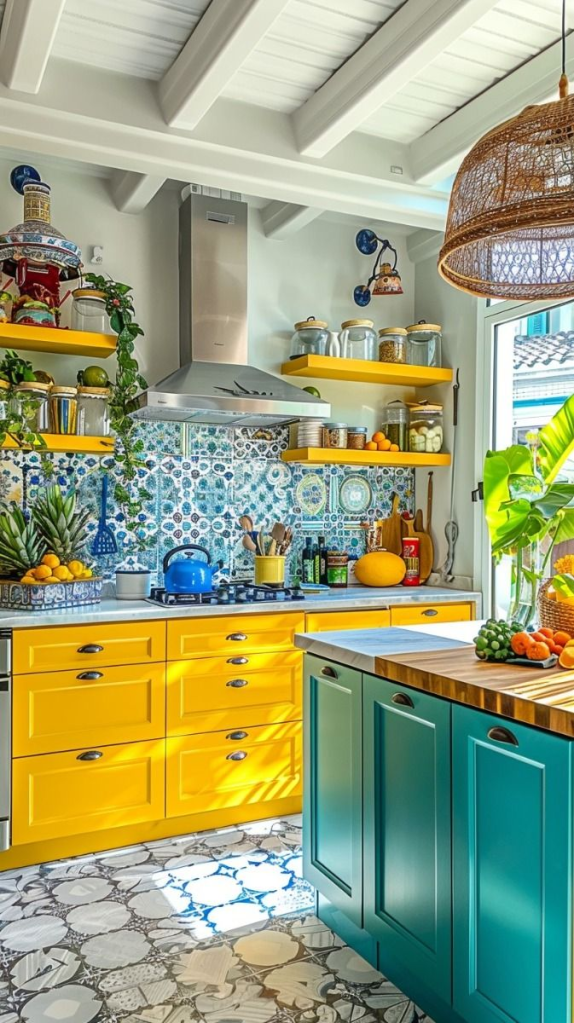
Minimalism played it safe with neutrals. Maximalism says “why choose?” Deep jewel tones, warm earth pigments, unexpected color combinations that shouldn’t work but absolutely do this is where magic happens. Eclectic kitchen spaces prove that color saturation creates energy, warmth, and appetite (metaphorically and literally).
Pattern Play
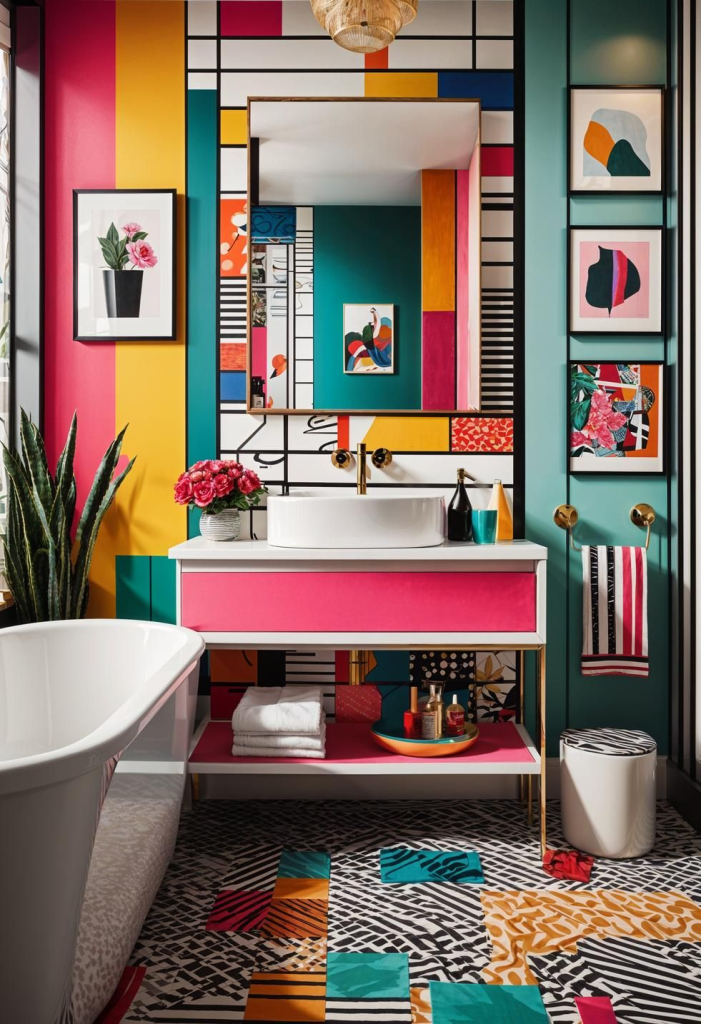
The cardinal rule of maximalist design? Patterns don’t fight; they dance. A floral wallpaper can absolutely coexist with striped curtains and a geometric rug. The secret lies in connecting them through a shared color palette or varying their scale. Tiny prints, medium motifs, and large-scale patterns create visual harmony through contrast.
Textural Richness
This is where fall maximalism truly shines. Velvet against linen. Wood alongside metal. Smooth ceramics next to chunky knits. When you combine different textures, you create sensory interest that photographs can barely capture but bodies immediately feel. It’s the difference between looking at a space and experiencing it.
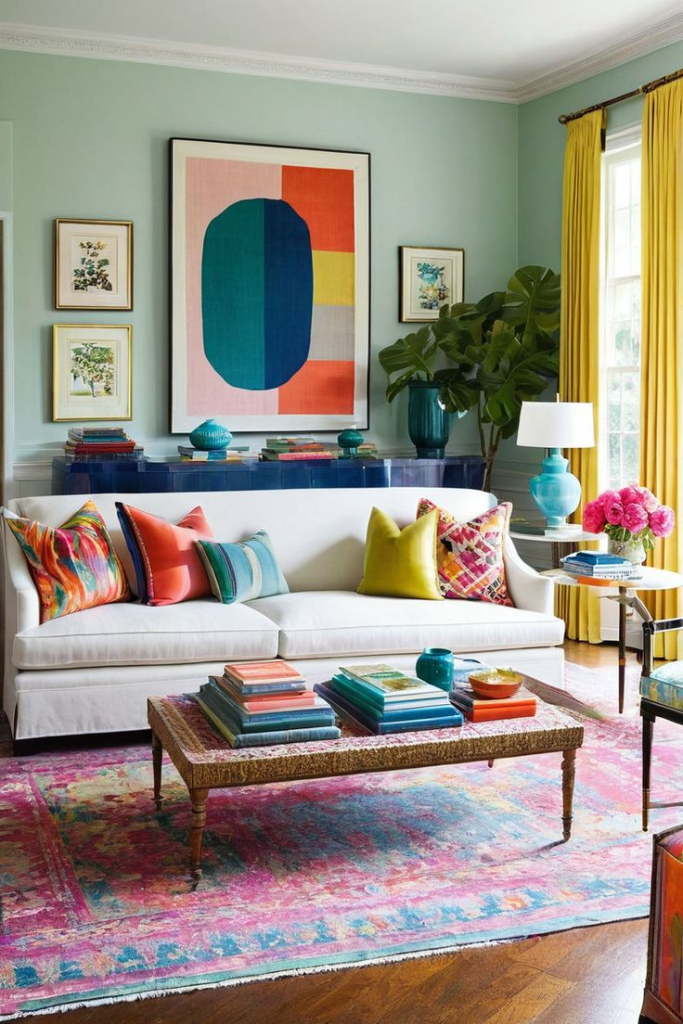
Why Fall is Maximalism’s Natural Habitat
If there’s a season designed for “more,” it’s autumn. Nature herself becomes maximalist in fall layering crimson leaves over golden ones, mixing textures from rough bark to silky seed pods, creating temperature contrasts between warm sun and crisp air. The season practically begs us to follow suit indoors.
As temperatures drop, we naturally crave coziness. And you simply cannot create genuine coziness with three pieces of furniture and a houseplant. You need layers. Lots of them. You need that rich pattern mixing we’ve been perfecting all year, now translated into fall’s warmer palette.
The Psychology of Autumn Abundance
There’s actual science behind why maximalism feels right in fall. As daylight decreases, we compensate by bringing more visual interest indoors. According to research on seasonal affective patterns, our mood and design preferences naturally shift with changing seasons, making us crave warmer, more enveloping environments.
Our ancestors gathered resources before winter we’re simply expressing that same instinct through design. Abundant spaces trigger feelings of security and preparedness that our lizard brains find deeply satisfying.
Plus, let’s face it: those long autumn evenings demand spaces worth lingering in. Minimalist rooms are lovely to photograph, but maximalist ones are designed for living. They invite you to curl up with a book, to host impromptu dinner parties, to actually use your home instead of treating it like a museum.
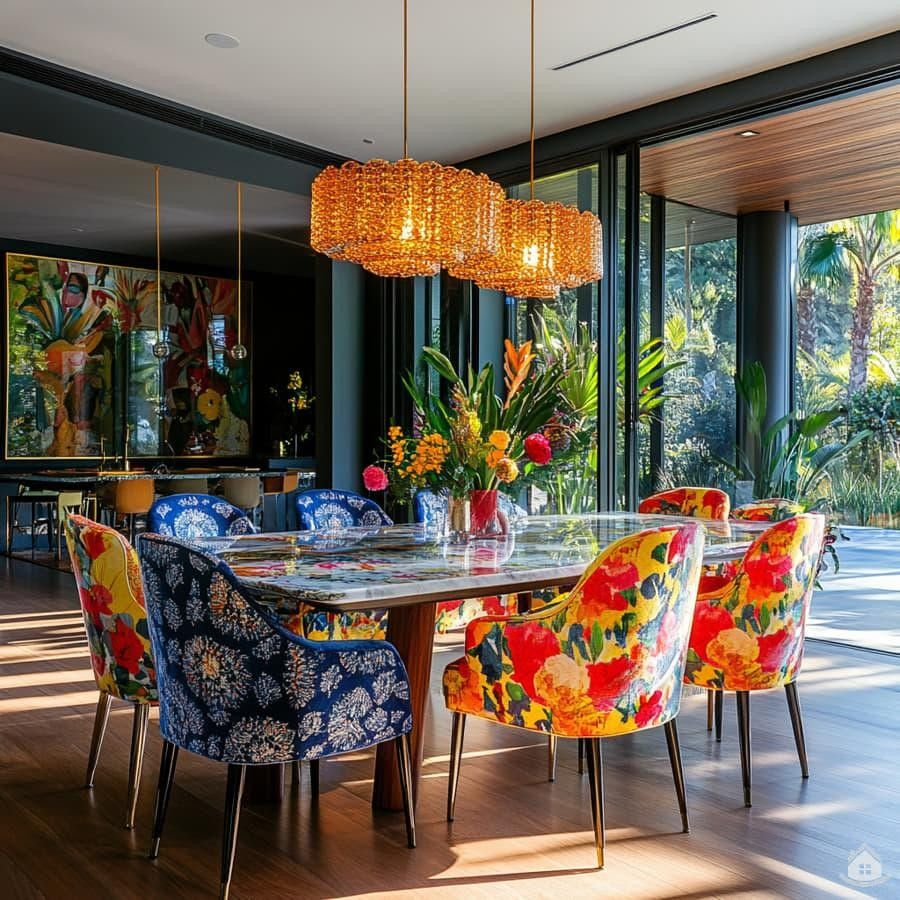
Practical Maximalism: Room-by-Room Guide
Ready to embrace abundance? Here’s how to apply maximalist principles throughout your home this fall without creating chaos.
Living Rooms: The Layering Laboratory
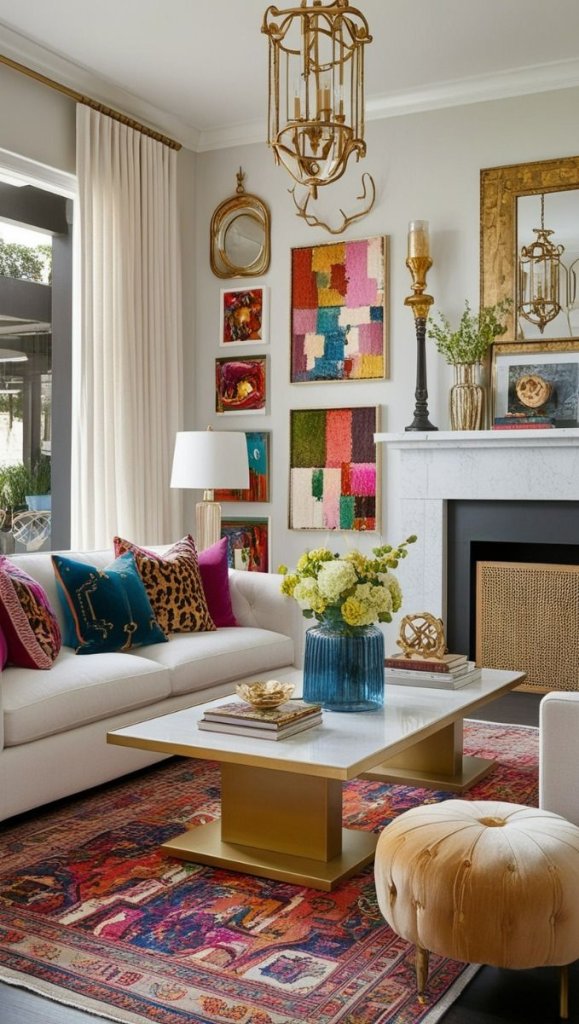
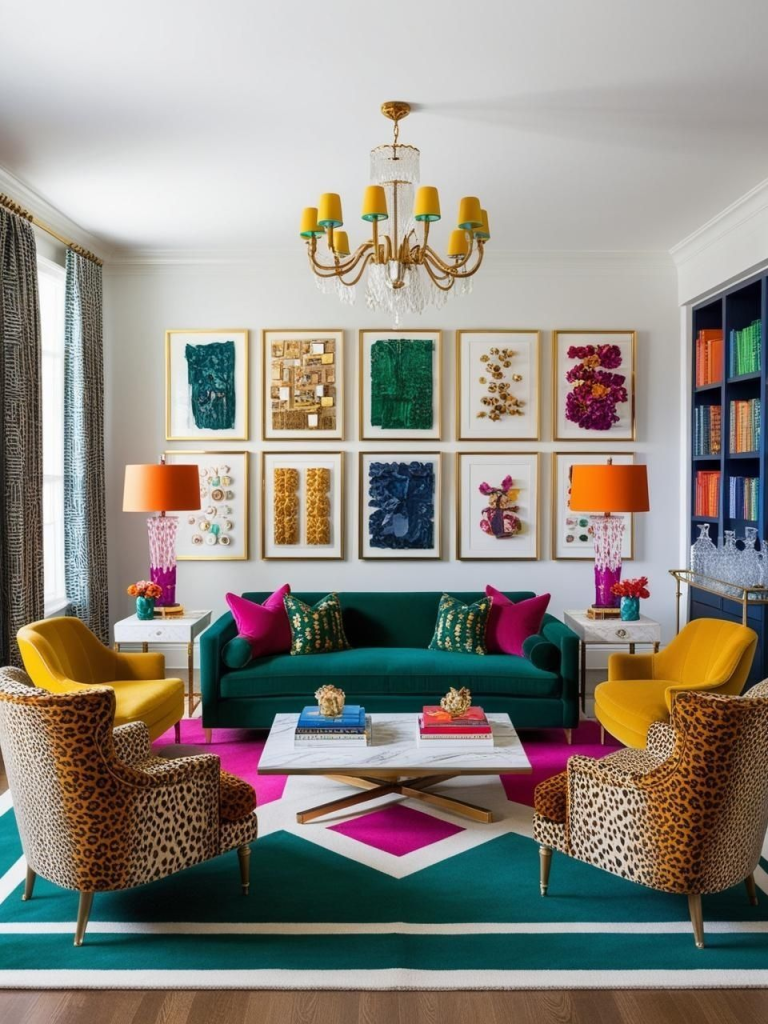
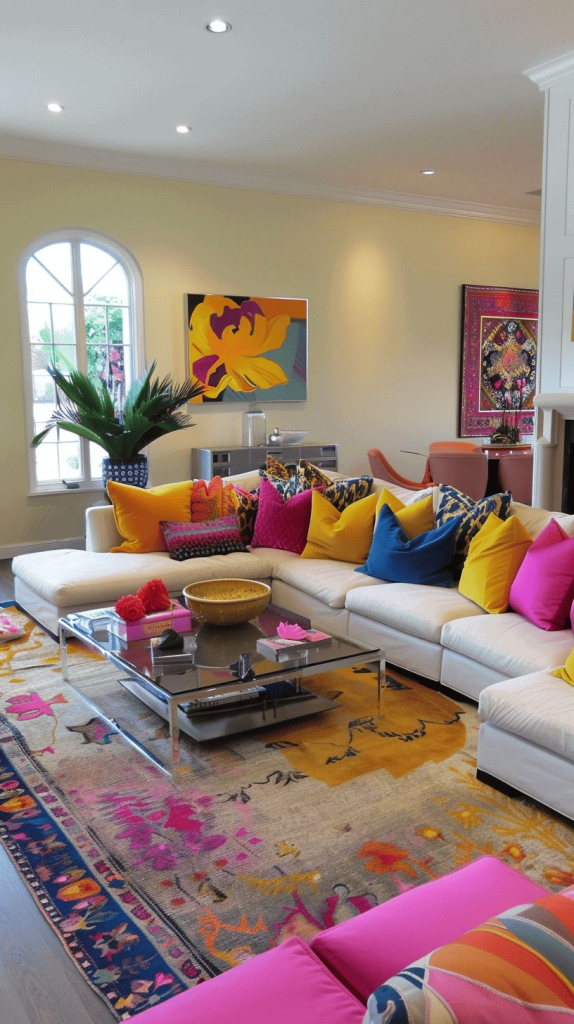
Your living room is where maximalism can truly flex. Start with a statement sofa something with personality. A rich velvet tufted sofa in jewel tones becomes an instant focal point. Then layer, layer, layer.
Add throw pillows in varying sizes, patterns, and textures. Mix a kilim pattern pillow with velvet solids and embroidered linen. Drape a chunky knit throw blanket over one arm. Place another woven throw on the opposite side.
Create a gallery wall that tells your story. Mix frames gold, wood, black, white in different sizes. Combine personal photos with art prints, vintage mirrors, and three-dimensional objects like small shelves or hanging planters. The goal isn’t symmetry; it’s visual interest.
Don’t forget the coffee table. Style it with stacked books (interior design coffee table books are both beautiful and inspiring), a decorative tray corralling smaller objects, a small plant or two, and maybe a sculptural candle holder. Yes, all at once.
Bedrooms: Textural Paradise
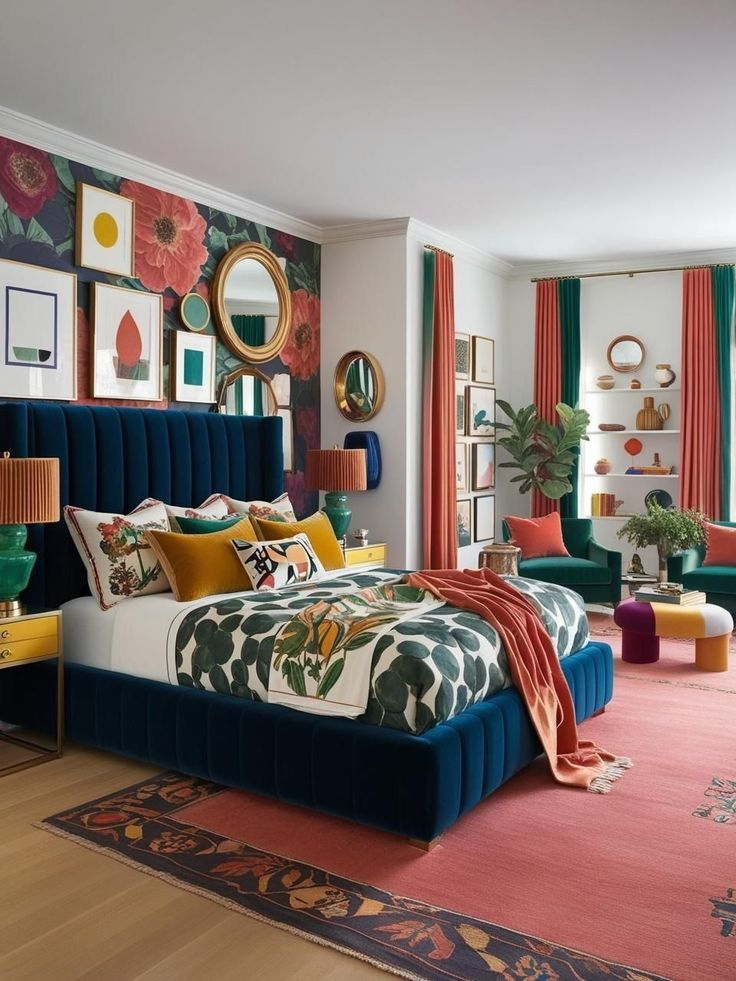
Your bedroom should feel like diving into a luxury hotel bed the kind you never want to leave. Start with high-quality sheets, but don’t stop there. Add a quilted coverlet, then a duvet, then decorative pillows. Mix euro shams with standard pillows with lumbar pillows with that one round velvet pillow that serves no functional purpose but looks gorgeous.
Hang curtains heavy, luxurious ones. Velvet blackout curtains in a deep autumn hue add drama, warmth, and practical darkness for better sleep. Layer them with sheer curtains underneath if you want daytime light options.
Consider wallpaper on an accent wall. A bold botanical or damask pattern creates instant maximalist credentials. If commitment-phobic, try peel-and-stick options you can change seasonally.
Create a reading nook in the corner even a small chair with a side table and good lighting transforms unused space into a personal retreat. Top it with a faux fur throw for ultimate fall luxury.
Home Offices: Productive Maximalism
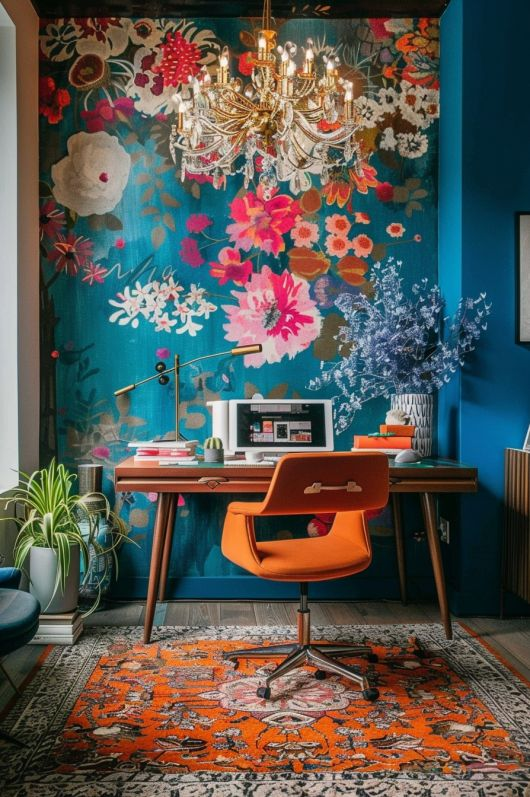
Who said workspaces need to be sterile? Maximalist home offices prove that stimulating environments actually boost creativity and motivation. Surround yourself with inspiration.
Install floating shelves and fill them unapologetically. Books, plants, collected objects, framed photos, decorative boxes these aren’t distractions; they’re reminders of why you work and what you love. A brass and wood bookshelf adds elegance while providing display space.
Choose desk accessories with personality. A vintage-style desk lamp, colorful file organizers, a patterned desk pad these small touches make work feel less like drudgery.
Don’t fear bold wall colors in offices. Deep greens, rich navy, or warm terracotta create cocoon-like focus. If you’re renting, use removable wallpaper to achieve the same effect.
Kitchens: Where Function Meets Abundance
Kitchens naturally lean maximalist they’re working spaces filled with tools, ingredients, and the accumulated equipment of daily life. Embrace it. Open shelving displays your colorful dishware collections and vintage glassware, turning functional items into decoration.
Add personality through textiles. Patterned tea towels, a vintage-inspired area rug, and colorful pot holders inject warmth into a space often dominated by appliances.
That eclectic kitchen transformation we talked about? It starts with permission to mix metals, combine wood tones, and display your personality alongside your spatulas.
The Art of Successful Pattern Mixing
This is where maximalism separates the confident from the cautious. Pattern mixing feels risky, but follow these guidelines and you’ll nail it every time.
The Scale Rule
Never mix patterns of the same scale. If your sofa fabric features large florals, pair it with small geometric prints or medium stripes. Varied scale creates visual hierarchy instead of competition.
The Color Connection
Patterns that share at least one color automatically harmonize. A blue-and-white striped pillow plays nicely with a predominantly white floral that includes blue accents. This shared color acts as a translator, helping different patterns speak the same language.
Color experts at the Pantone Color Institute confirm that color bridges create visual cohesion even amid pattern diversity, which is why maximalist spaces work when they respect this fundamental principle.
The Style Family
Keep patterns within related style families. Bohemian prints (ikat, suzani, tribal) mix well together. Traditional patterns (toile, damask, stripes) create cohesive pairings. Mixing style families can work but requires a more sophisticated eye start conservative, then experiment as confidence grows.
The Neutral Anchor
When in doubt, anchor pattern chaos with solid neutrals. A solid-colored sofa provides a calm background for patterned pillows. Neutral walls let patterned curtains and rugs shine without overwhelming.
Sustainability Meets Maximalism
Here’s the beautiful paradox: maximalism can actually be more sustainable than minimalism’s constant pursuit of the “perfect” piece. Maximalist spaces celebrate imperfection, vintage finds, inherited pieces, and collected-over-time aesthetics.
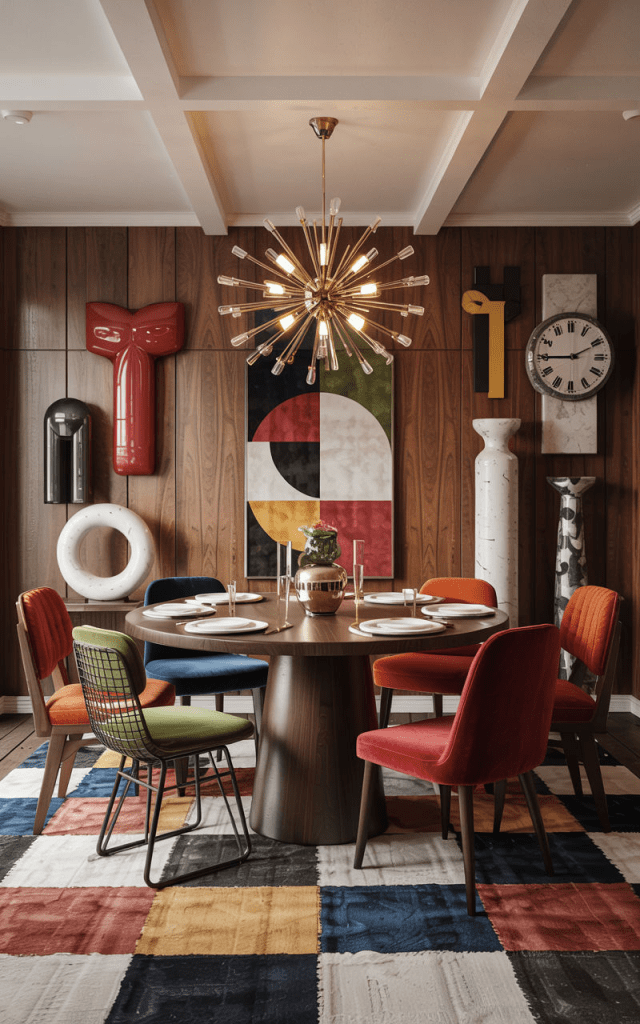
That mismatched dining chair? In minimalism, it’s a problem. In maximalism, it’s character. The vintage rug with a small stain? A minimalist might discard it; a maximalist sees patina and history. Suddenly, secondhand shopping becomes an asset rather than a compromise.
Thrift stores, estate sales, and online marketplaces become treasure troves when you embrace maximalism. You’re not searching for matchy-matchy perfection; you’re hunting for pieces with soul. This approach naturally reduces consumption while creating more interesting, unique spaces.
Plus, maximalist rooms evolve. You don’t need to redecorate entirely when trends shift you simply add new elements to the existing layers, creating an ever-evolving space that grows with you.
Common Maximalist Mistakes (And How to Avoid Them)
Even “more is more” has boundaries. Here’s where people go wrong:
Forgetting Negative Space
Maximalism needs breathing room. Every surface filled becomes overwhelming, not curated. Leave some wall space blank. Keep parts of shelves slightly sparse. Give the eye places to rest between visual feasts.
Ignoring Lighting
Layered spaces require layered lighting. One overhead fixture won’t cut it. Add floor lamps, table lamps, wall sconces, and candles. Ambient lighting creates the moody atmosphere maximalist spaces crave.
No Clear Focal Point
Even abundant rooms need hierarchy. Choose one major focal point per space a stunning piece of art, an architectural feature, a show-stopping furniture piece then build layers around it. Without this anchor, maximalism becomes visual confusion.
Buying Everything New
The most beautiful maximalist spaces look collected over time because they were. Resist the urge to “complete” a room in one shopping trip. Curate slowly, allowing your style to develop organically.
Making the Mental Shift
The hardest part of embracing maximalism isn’t the design decisions it’s giving yourself permission to take up space. Minimalism taught us that wanting less made us morally superior somehow. Maximalism requires unlearning that judgment.
Your home should reflect your actual life, not some aspirational version of who you think you should be. If you love books, display them proudly instead of hiding them in closets. If you collect vintage cameras, create a gallery wall that showcases them. If you enjoy sixteen different throw pillows, pile them on with joy.
This fall is your invitation to stop apologizing for having preferences, passions, and personality. The cultural pendulum has swung back toward warmth, comfort, and individuality. Why would you fight it?
Your Maximalist Fall Action Plan
Ready to start your maximalist transformation? Here’s your game plan:
Week 1: Audit and Edit (Yes, Even Maximalism Edits)
Go room by room and identify items you genuinely love versus things you own out of obligation. Maximalism celebrates meaningful abundance, not mindless accumulation. The items that stay should spark joy, tell stories, or serve clear purposes.
Week 2: Shop Your Home
Before buying anything new, see what you already own. That decorative bowl hiding in a cabinet? Move it to a visible shelf. The throw blanket stuffed in a closet? Drape it artfully. You likely have more maximalist potential than you realize.
Week 3: Focus on Textiles
Textiles offer the fastest, most affordable maximalist transformation. Add throw pillows, layer rugs, hang new curtains, or drape a decorative throw. These changes dramatically alter a space’s feeling without requiring major investment or commitment.
Week 4: Layer Art and Objects
Create that gallery wall. Style your bookshelves. Arrange a vignette on your console table. This is where personality really emerges.
Ongoing: Collect Thoughtfully
Give yourself permission to acquire, but do it with intention. When something speaks to you a vintage mirror at an estate sale, a handmade ceramic at a local art fair bring it home. Your space will evolve naturally into exactly what it’s meant to be.
Embracing Your “More is More” Moment
The minimalist decade taught us valuable lessons about consumption, intention, and appreciation. But it also taught us that sterile perfection feels lonely, that empty rooms echo, and that homes without personality aren’t really homes at all they’re showrooms.
This fall, we’re reclaiming warmth. We’re layering textures until our sofas become cloud-like nests. We’re mixing patterns with confidence, creating visual feasts that tell our stories. We’re displaying our collections proudly instead of hiding them away.
We’re acknowledging that the objects we love the books, the art, the vintage finds, the gifts from people we adore these things don’t diminish our lives. They enrich them.
Maximalism isn’t about rejecting minimalism entirely. It’s about finding your own sweet spot on the spectrum between sparse and abundant. For many of us, that sweet spot involves a lot more color, texture, pattern, and personality than we’ve allowed ourselves recently.
So go ahead. Buy that boldly patterned rug. Hang that gallery wall. Layer those throw pillows with abandon. Fill your shelves with books you love and objects that make you smile. Create spaces so inviting that people never want to leave, so personal that they could only belong to you.
Because at the end of the day, your home shouldn’t look like anyone else’s Pinterest board. It should look like your life rich, complex, layered, and beautifully imperfect.
This fall, more isn’t just more. It’s everything.
Frequently Asked Questions About Maximalism
What is the main difference between maximalism and clutter?
Maximalism is intentional abundance, while clutter is just mess. Every item in a maximalist space is chosen with purpose to add joy, texture, or meaning.
As discussed throughout this article, it’s a “carefully curated celebration of more” that layers meaning, not just stuff.
Modern maximalism requires more thought than minimalism, not less, because each piece should either spark joy, tell a story, or serve a clear purpose.
Is minimalism out and maximalism the new trend for 2025?
While minimalism’s dominance has faded, it’s not completely “out.” However, there is a major cultural shift away from its sterile emptiness.
Maximalism, especially for fall 2025, is a strong trend because people are craving warmth, personality, and homes that feel personal and lived-in all things that “more is more” celebrates.
The design world is acknowledging what many have felt all along: that empty rooms lack the soul and character that make houses feel like homes.
How do I mix patterns in a maximalist room without it looking chaotic?
The key is to follow three main guidelines:
- Vary the Scale: Mix large-scale patterns (like a floral wallpaper) with medium (like striped curtains) and small (like a geometric pillow). Never mix patterns of the same scale.
- Find a Color Connection: Ensure the different patterns share at least one common color to tie them together. This shared color acts as a translator between different prints.
- Use a Neutral Anchor: Use a solid-colored sofa or neutral walls as “breathing room” to ground the patterns and prevent visual overwhelm.
What’s the easiest way to start maximalism if I’m used to a minimalist style?
The best way to start is with textilesit’s a low-commitment, high-impact change. Try adding a new patterned area rug, layering two to three different throw pillows on your sofa (mixing velvet, linen, and knits), or draping a colorful throw blanket.
You can also start by creating a small “maximalist moment,” like a curated gallery wall or a styled bookshelf. Week by week, add layers until your space feels authentically you.
Can maximalist design be sustainable?
Absolutely. In many ways, maximalism is more sustainable than minimalism’s pursuit of the “perfect” piece. It celebrates finding unique pieces over time, which encourages buying vintage, secondhand, and from thrift stores.
It also embraces imperfection and inherited pieces, seeing “patina and history” where minimalism might see a flaw. Mismatched items become character rather than problems, making secondhand shopping an asset instead of a compromise.
Do I need a big budget to create a maximalist space?
Not at all! Maximalism actually works better when built slowly over time through thrift finds, estate sales, and inherited pieces.
Start by “shopping your home” move items from storage into visible spaces. Textiles like throw pillows, blankets, and curtains offer affordable impact.
Focus on layering what you already own before buying new items. The most authentic maximalist spaces look collected over years, not purchased in one expensive shopping trip.
How do I avoid making my maximalist room feel cluttered or overwhelming?
Remember that even “more is more” needs breathing room. Leave some wall space blank between gallery clusters. Keep parts of shelves slightly sparse.
Create one clear focal point per room a stunning art piece, architectural feature, or show-stopping furniturethen build layers around it. Also crucial: incorporate proper lighting with multiple sources (floor lamps, table lamps, sconces) so the space feels intentionally curated rather than dark and chaotic.
Can I do maximalism in a small space or apartment?
Yes! Small spaces can absolutely embrace maximalism in fact, layering can make them feel cozier rather than cramped.
The key is vertical thinking: use walls for gallery displays and floating shelves. Choose multi-functional furniture with visual interest.
Focus on textiles and pattern rather than large furniture pieces. A small room filled with personality and intention feels much more inviting than a small, sparse room trying to appear larger through minimalism.
About the Author:
At Linda Designs, we believe your home should tell your story not someone else’s. We’re here to inspire bold design choices, encourage personal style, and prove that beautifully designed spaces are for everyone, not just those with unlimited budgets or design degrees. From maximalist transformations to eclectic room makeovers, we’re celebrating the messy, gorgeous reality of creating homes we actually want to live in.
Ready to embrace maximalism? Explore more inspiring transformations:
- Autumn Maximalism: Rich Patterns and Warm Textures
- Work From Home Meets Maximalism: Stylish Office Spaces
- Summer Maximalism: Bold Pattern Mixing That Actually Works
- Transform Your Kitchen: Creating a Vibrant Eclectic Space
 Linda Designs | Home Decor, Interior Design & Lifestyle Inspiration