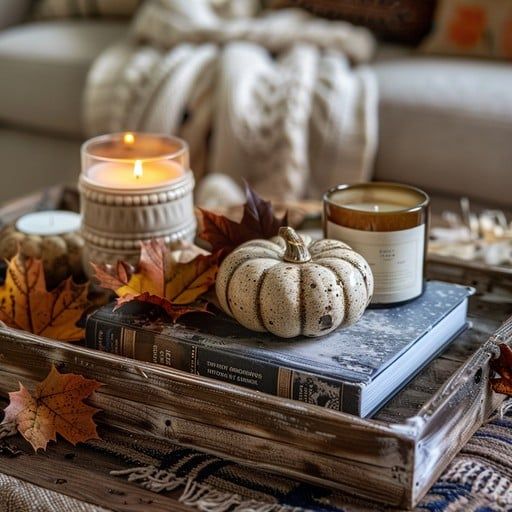
- Late Summer Transitions: Preparing Your Decor for Fall
- Understanding the Psychology of Seasonal Transitions
- The Foundation: Assessing Your Current Summer Decor
- Color Psychology: Bridging Summer Brights to Autumn Depths
- Texture: The Unsung Hero of Seasonal Decorating
- Lighting: Setting the Autumn Mood
- Seasonal Scents: The Invisible Decorator
- Bringing Nature Indoors: Autumn’s Greatest Hits
- Textile Transitions: From Linen to Wool
- Room-by-Room Transition Strategies
- Budget-Friendly Transition Tips
- Avoiding Common Transition Mistakes
- Creating Lasting Seasonal Style
- Embracing Imperfection in Seasonal Decorating
- Conclusion: Embracing September’s Decorating Magic
- Frequently Asked Questions About Fall Decor Transitions
- When should I start decorating for fall?
- What summer colors can I keep for fall decor?
- How can I make my home feel cozy without using pumpkins?
- What’s the biggest mistake people make when transitioning to fall decor?
- How much should I budget for seasonal decor changes?
- Can I use the same fall decor year after year?
- Reelated posts
Late Summer Transitions: Preparing Your Decor for Fall
As August whispers its final secrets and September beckons with crisp promises, your home stands at the threshold of transformation. The art of seasonal decorating isn’t merely about swapping out a few throw pillows it’s a nuanced dance between honoring summer’s lingering warmth while embracing autumn’s approaching embrace.
Late summer presents a unique decorating opportunity. Unlike the dramatic shift from winter to spring, this transition allows for subtlety, sophistication, and strategic layering that creates visual depth without overwhelming your carefully curated spaces.

Understanding the Psychology of Seasonal Transitions
Why do we feel compelled to change our surroundings as seasons shift? Psychology tells us that environmental changes trigger emotional responses, influencing our mood, productivity, and overall well-being. The gradual transition from summer’s bright, airy aesthetic to fall’s cozy, grounded atmosphere mirrors our internal preparation for cooler months ahead.
Smart decorators know this. They leverage these psychological triggers to create homes that feel both current and timeless, spaces that evolve gracefully rather than undergo jarring makeovers every few months.

The Foundation: Assessing Your Current Summer Decor
Before diving into pumpkin-spiced everything, take inventory. What elements of your summer decor deserve to stay? That gorgeous white linen sofa doesn’t need to disappear it simply needs companions that ground it for fall.
Quick Assessment Checklist:
- Light, breezy fabrics that can be layered
- Neutral furniture pieces (these are your anchors)
- Artwork that transitions between seasons
- Lighting fixtures that create ambiance
- Existing color schemes that can be enhanced, not replaced
Remember, the best home decor stores offer pieces designed for year-round versatility. Investment pieces should transcend seasonal trends.
Color Psychology: Bridging Summer Brights to Autumn Depths
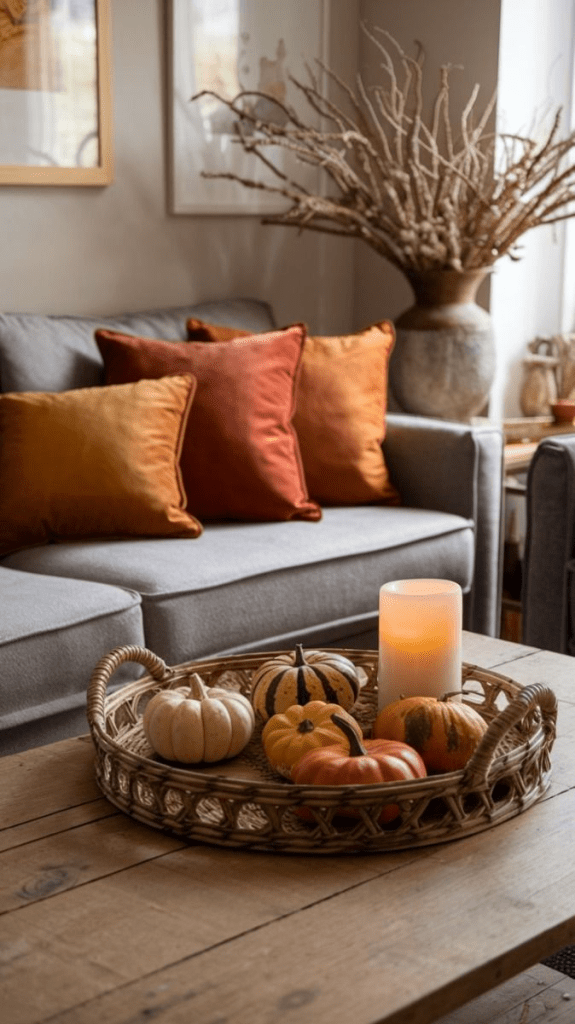
The secret to seamless seasonal transitions lies in color theory. Instead of completely abandoning summer’s palette, consider it your foundation for building autumn’s richer narrative.
The Gradual Color Shift Strategy
Start with your existing neutral base. Creams, whites, and soft grays provide the perfect canvas for introducing deeper hues without creating visual chaos. This approach prevents the jarring effect of sudden, dramatic color changes.
Introduce autumn gradually:
- Week 1: Add one rust-colored throw pillow to your summer setup
- Week 2: Incorporate a deep burgundy candle or small accent piece
- Week 3: Layer in textured elements like a chunky knit throw
- Week 4: Introduce metallic accents in warm bronze or copper tones
This methodical approach allows your eye and your budget to adjust naturally. Plus, it prevents that overwhelming feeling that comes from trying to redecorate an entire home overnight.
Choosing the right paint colors becomes crucial during transitional seasons. Consider accent walls in deeper tones rather than repainting entire rooms.
Texture: The Unsung Hero of Seasonal Decorating
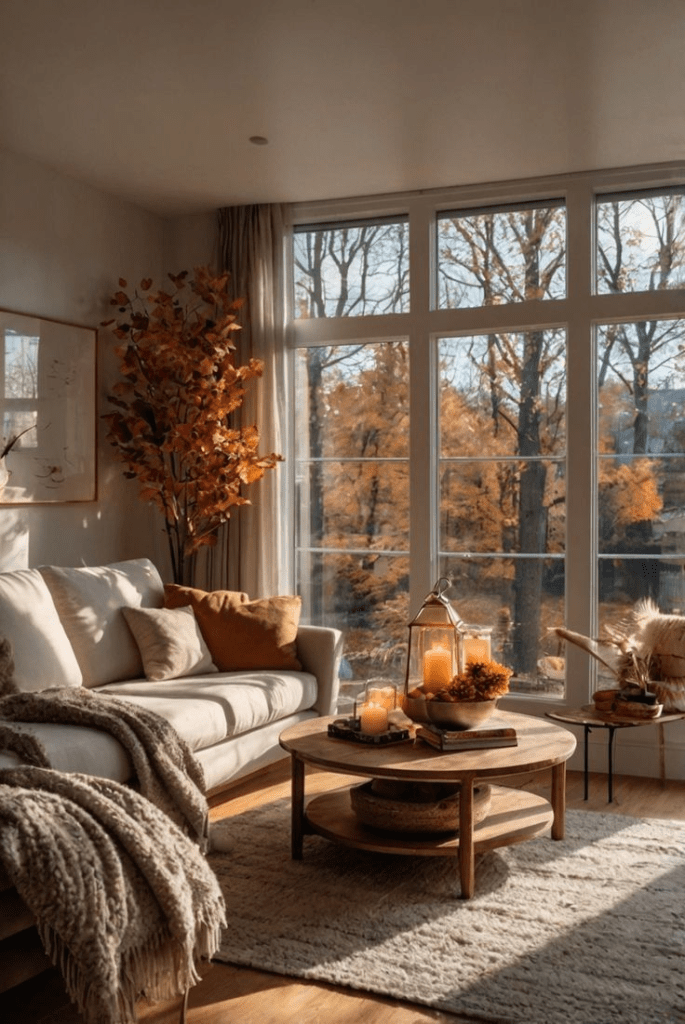
While color gets most of the attention, texture creates the emotional impact we associate with fall comfort. The contrast between smooth summer cottons and autumn’s tactile richness tells a story of seasonal progression.
Layering Textures for Visual Interest
Summer’s sleek surfaces need autumn’s textural companions. Think strategically about incorporating:
Natural Textures:
- Jute rugs for grounding spaces
- Woven baskets for stylish storage
- Raw wood elements that echo autumn’s organic beauty
Soft Textures:
- Faux fur throws draped casually over furniture
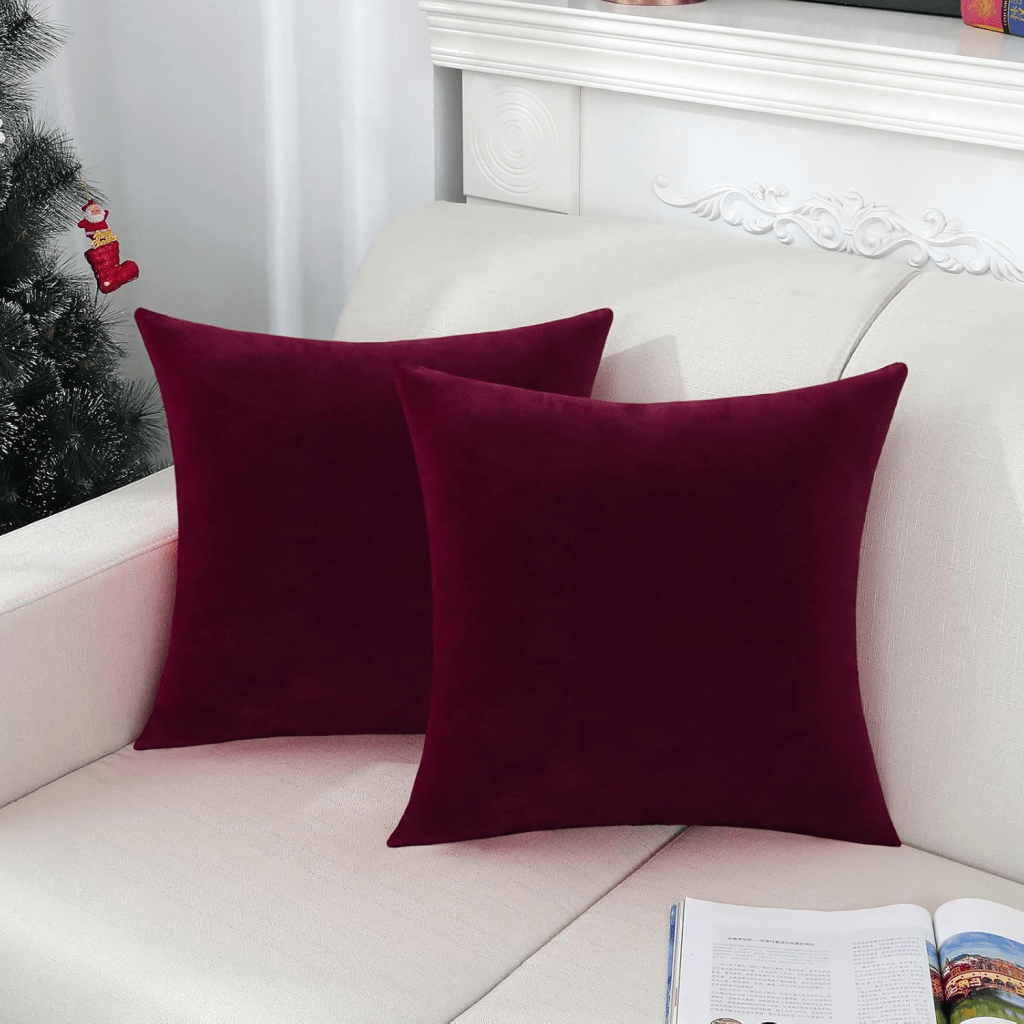
- Velvet pillows in jewel tones
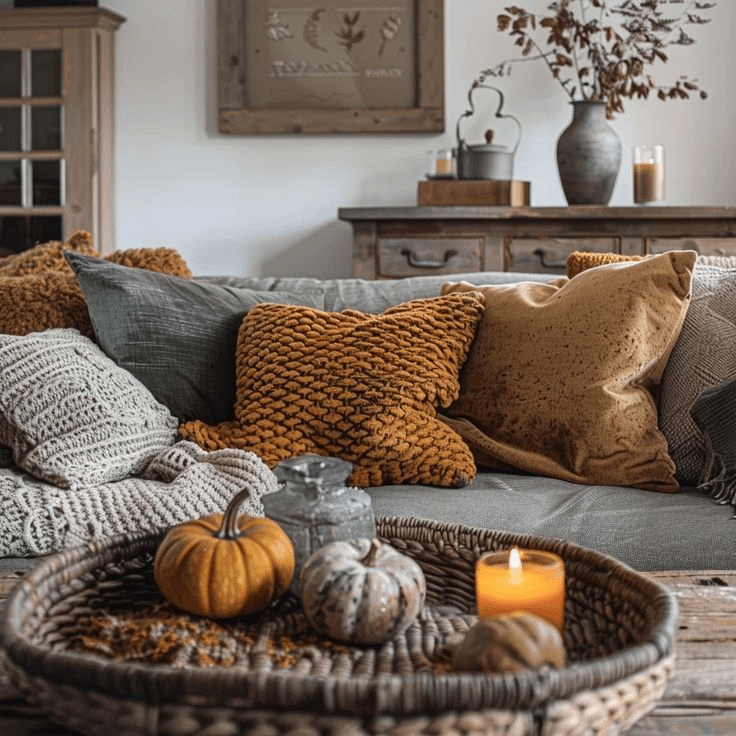
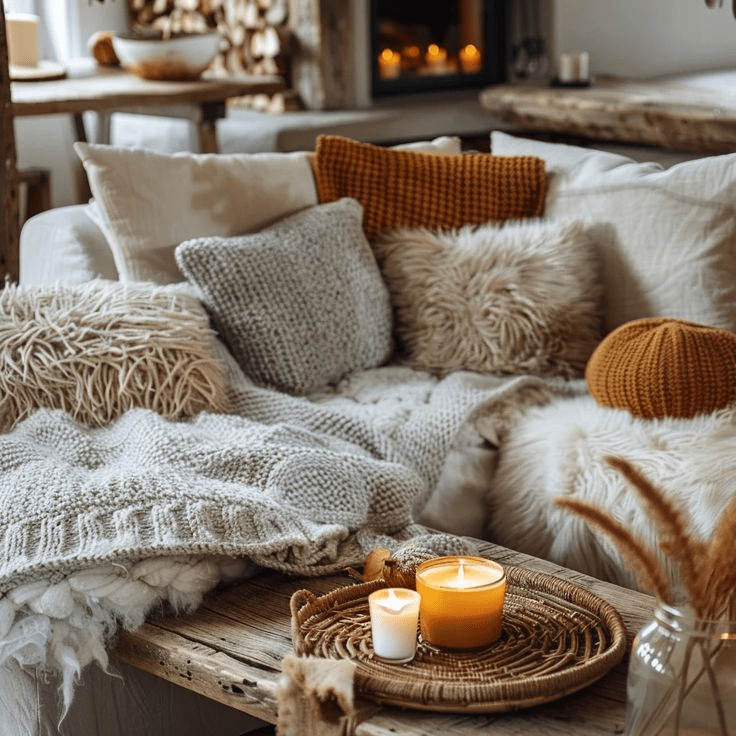
- Chunky knit blankets for instant coziness
Metallic Textures:
- Hammered copper bowls for warm metallic accents
- Antique brass candlesticks for ambient lighting
- Textured ceramic vases in earthy tones
The key? Layer these textures gradually. Your space should feel evolved, not redecorated.

Lighting: Setting the Autumn Mood
Summer’s bright, natural light gives way to autumn’s golden hour ambiance. Your lighting strategy must evolve accordingly, creating warmth as daylight hours shorten and natural light softens.
The Three-Layer Lighting Approach
Ambient Lighting: This is your room’s overall illumination. Table lamps with warm LED bulbs replace harsh overhead lighting, creating a cocoon-like atmosphere that beckons you to stay awhile.
Task Lighting: Functional yet beautiful. Reading lamps with adjustable arms serve dual purposes—they’re practical for cozy autumn evenings spent with books, and they add sculptural interest to your decor.
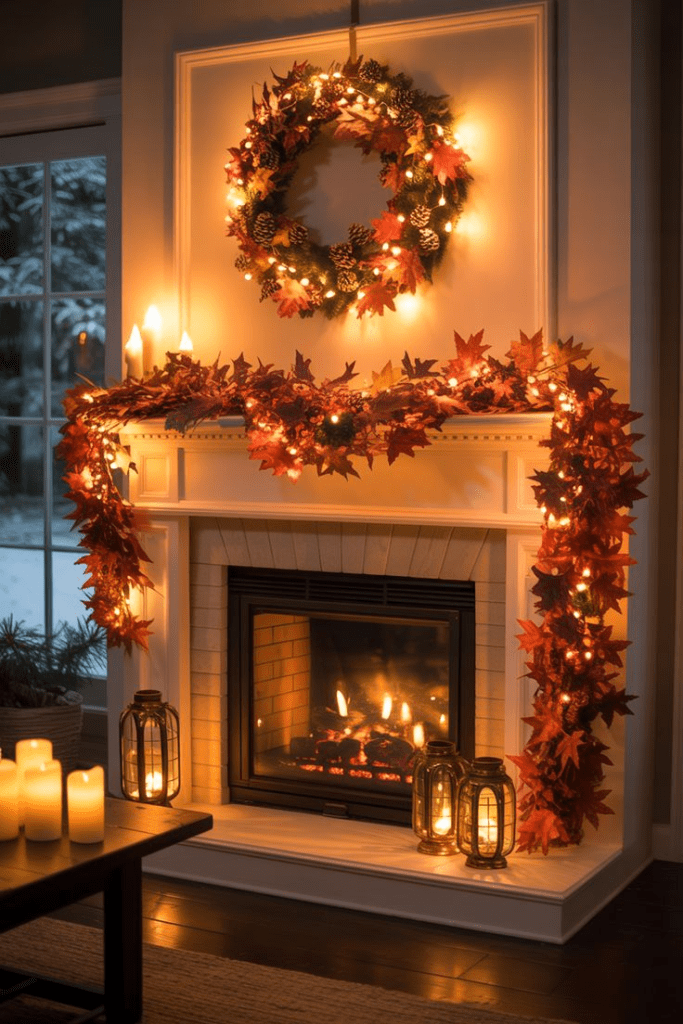
Accent Lighting: Here’s where magic happens. String lights with warm white bulbs aren’t just for holidays they create year-round enchantment when used thoughtfully. Drape them around mirrors, weave them through mantels, or create cozy reading nooks.
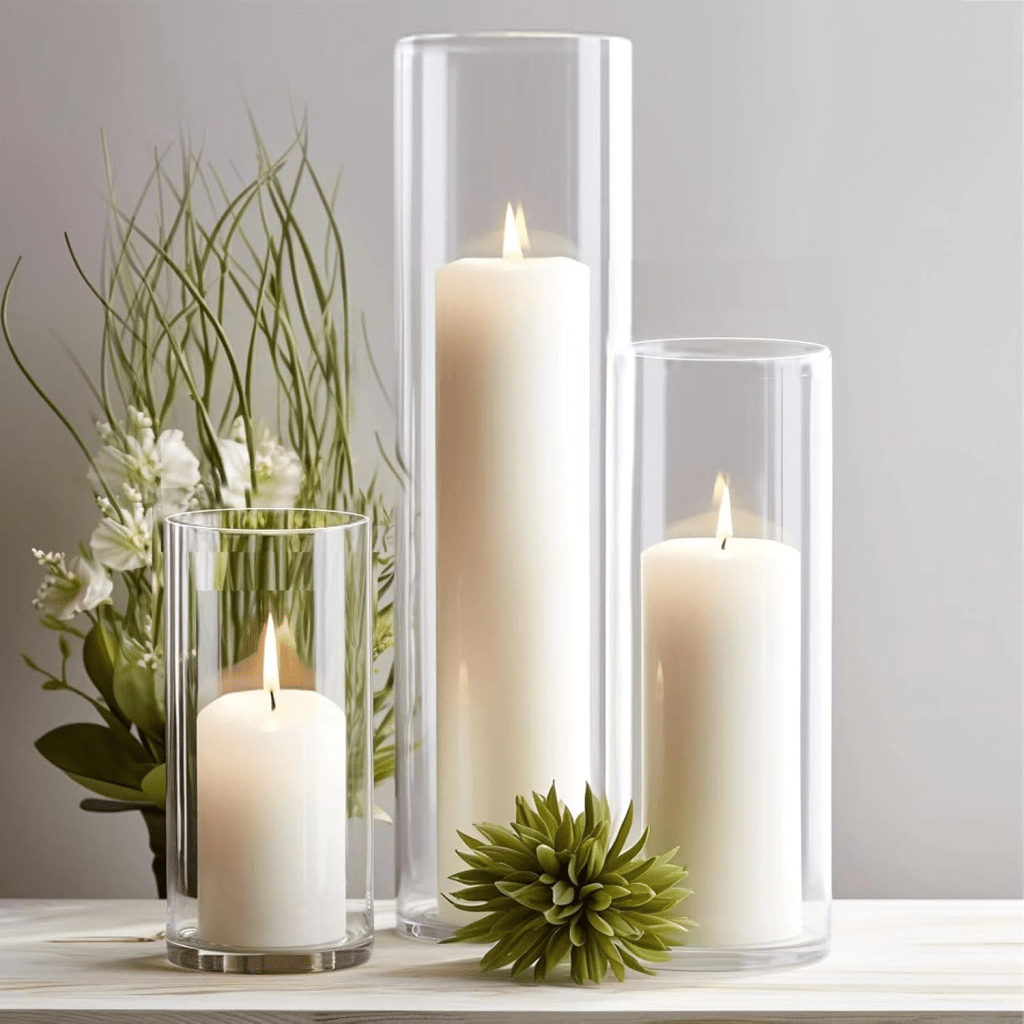
Candles deserve special mention. They’re autumn’s best friend. Pillar candles in varying heights create dramatic displays, while scented candles in autumn fragrances engage multiple senses simultaneously.
Seasonal Scents: The Invisible Decorator
Scent triggers memory more powerfully than any other sense. Autumn’s signature fragrances—cinnamon, apple, cedar, vanilla transport us instantly to cozy moments and cherished memories.
But here’s the sophisticated approach: avoid artificial, overpowering scents that scream “seasonal decoration.” Instead, layer natural fragrances subtly throughout your space.
Natural Scent Layering Techniques
Fresh Elements:
- Fill wooden bowls with actual apples, pinecones, and cinnamon sticks
- Display eucalyptus branches in tall vases
- Incorporate dried lavender bundles for subtle, lasting fragrance
Strategic Candle Placement: Position unscented candles throughout rooms for ambiance, then use one high-quality scented candle as your primary fragrance source. This prevents overwhelming scent combinations while maintaining sophisticated atmosphere.

Bringing Nature Indoors: Autumn’s Greatest Hits
Fall’s natural beauty provides endless decorating inspiration. The key is incorporating organic elements that feel intentional rather than haphazard.
Foraged Finds and Natural Displays
Create vignettes that celebrate autumn’s bounty without looking like craft store explosions. Glass hurricane vases filled with acorns, colorful leaves, and small branches create sophisticated natural displays.
Consider the scale and proportion of natural elements. A few carefully chosen pieces make more impact than overwhelming collections. One stunning piece of driftwood as a centerpiece trumps dozens of scattered pinecones.
Pro tip: Preserve autumn leaves by pressing them between heavy books for a week, then display them in floating frames for instant botanical art.
Textile Transitions: From Linen to Wool
Fabric choices communicate seasonal messages more clearly than any other decorating element. The transition from summer’s lightweight linens to autumn’s substantial wools signals comfort, warmth, and preparation for cooler days ahead.
Strategic Fabric Swapping
Don’t store away all summer textiles. Instead, layer strategically:
Keep These Summer Elements:
- White and cream base fabrics
- Lightweight curtains (add warmth with layered window treatments)
- Cotton and linen upholstery (these provide neutral foundations)
Add These Autumn Layers:
- Wool throw blankets in rich colors
- Flannel or jersey pillowcases for cozy bedroom transitions
- Heavy curtain panels layered behind existing summer treatments
This layered approach creates visual and physical warmth while maintaining design flexibility.
For specific autumn decorating inspiration, explore these top 10 autumn decor ideas that seamlessly blend with existing summer elements.
Room-by-Room Transition Strategies
Different rooms serve different purposes and require unique transitional approaches. Let’s break down strategic decorating by space.
Living Room: The Heart of Autumn Gathering
Your living room sets the tone for entire home. It’s where families gather as evenings grow longer and outdoor activities give way to indoor coziness.
Furniture Arrangement: Pull furniture closer together. Summer’s open, airy arrangements should give way to more intimate conversation groupings. This doesn’t mean cramming everything together it means creating cozy zones that encourage connection.
Color Introduction: Start with throw pillows. Burgundy velvet pillows mixed with existing neutral ones create instant autumn sophistication. Add one burnt orange throw draped artfully over your sofa’s arm.
Lighting Adjustments: Replace bright white bulbs with warm white LED options. The difference is subtle but profound your entire room will feel more inviting immediately.
Bedroom: Creating a Cozy Retreat
Bedrooms require the most dramatic seasonal transitions because they’re our most intimate spaces. Autumn bedrooms should feel like cocoons safe, warm, and infinitely comforting.
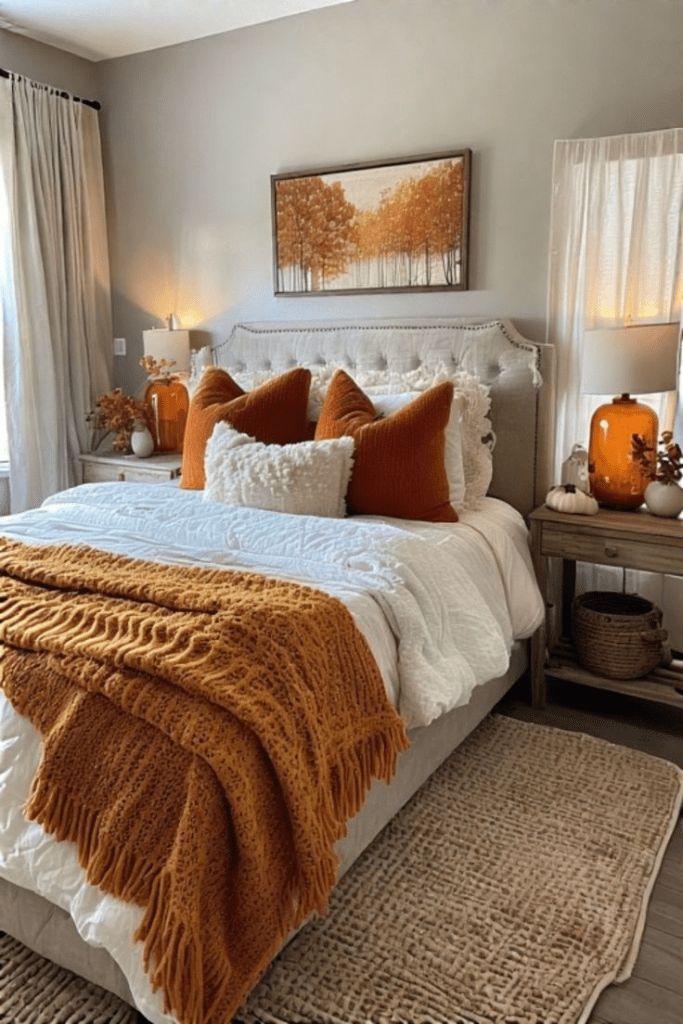
Bedding Layers: Keep summer’s base sheets but add layers. A lightweight wool blanket between sheets and comforter creates perfect temperature regulation for fluctuating autumn weather.
Color Warmth: Introduce deeper colors through accent pieces. Forest green lumbar pillows or a deep plum throw instantly warm neutral bedding without overwhelming the space.
Dining Room: Preparing for Gathering Season
Autumn means dinner parties, holiday preparations, and extended family meals. Your dining room needs to telegraph warmth and welcome.
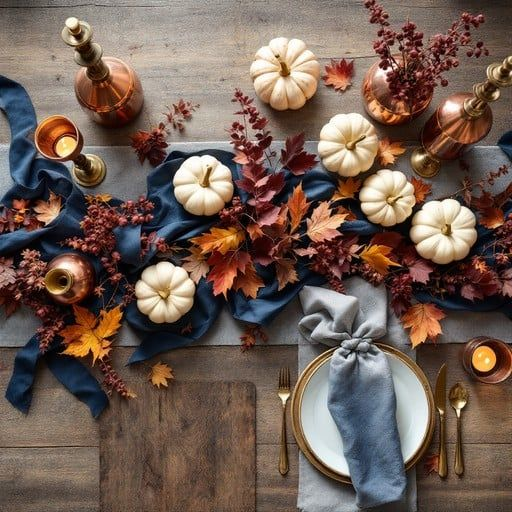
Table Settings: Invest in charger plates in warm metallics. They instantly elevate any meal and create sophisticated table settings that transition beautifully from casual family dinners to formal entertaining.
Centerpiece Evolution: Move beyond summer’s fresh flower arrangements. Create low, long arrangements using branches, candles, and seasonal fruits that won’t obstruct dinner conversation.
Budget-Friendly Transition Tips
Seasonal decorating doesn’t require complete room makeovers or unlimited budgets. Strategic, thoughtful changes create maximum impact with minimal investment.
High-Impact, Low-Cost Changes
Pillow Swapping: Pillow covers cost fraction of new pillows and create instant seasonal updates. Choose covers in autumn colors that coordinate with existing pieces.
Candle Groupings: Collect various sized candles in similar colors and group them on mantels, coffee tables, or dining room sideboards. The repetition creates intentional design impact.
Natural Elements: Forage for free autumn decorations. Branches, interesting rocks, pinecones, and colorful leaves cost nothing but add authentic seasonal beauty.
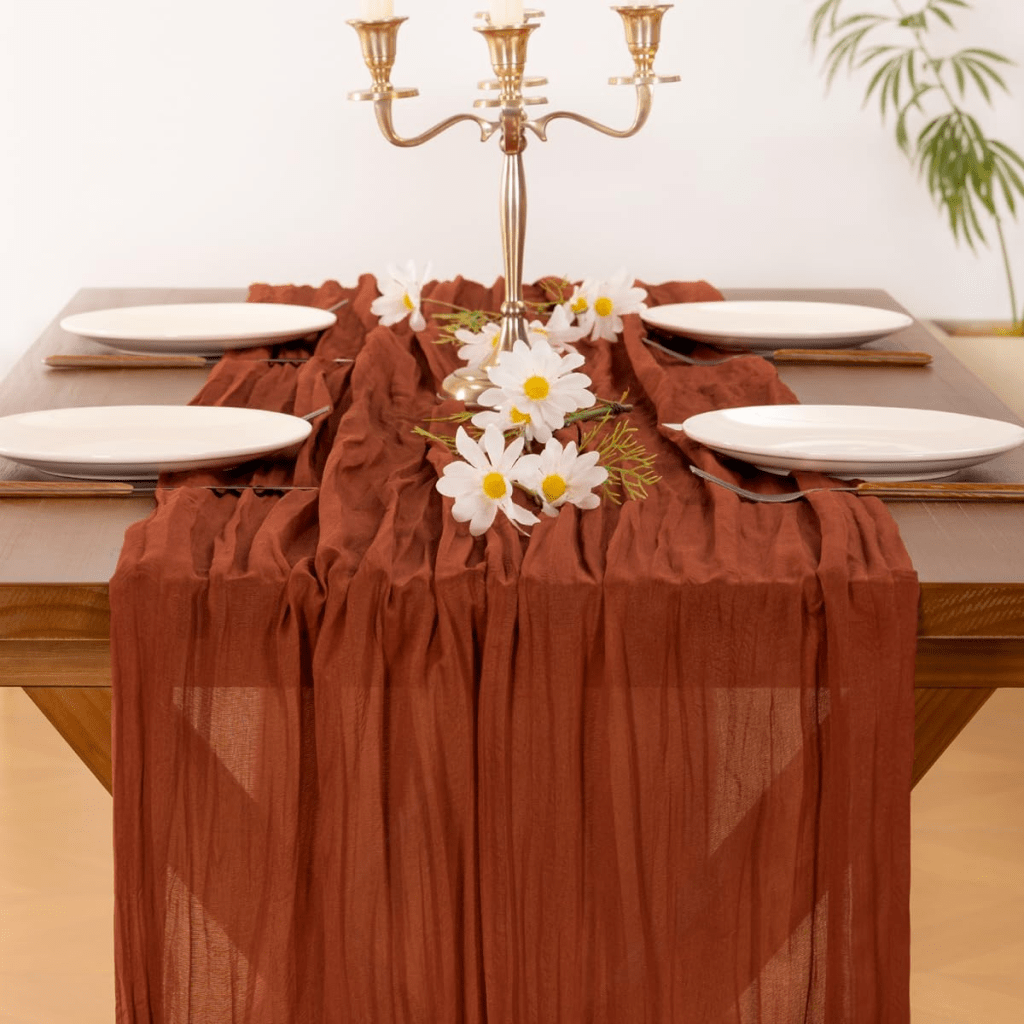
Fabric Refreshes: Table runners in autumn colors transform dining spaces instantly. Layer them over existing table linens for sophisticated depth.
Budget-conscious decorators should check out these garden party trends that work indoors too, offering creative ways to bring outdoor autumn beauty inside affordably.
Avoiding Common Transition Mistakes
Even experienced decorators make seasonal transition errors. Learning from these common mistakes saves time, money, and frustration.
The “All or Nothing” Trap
Mistake: Completely changing everything at once. Solution: Gradual transitions feel more natural and allow you to assess what works before committing to major changes.
Mistake: Ignoring existing elements that could work year-round. Solution: Evaluate each piece individually many items transcend seasons with proper styling.
Theme Overload
Mistake: Embracing autumn clichés too enthusiastically. Solution: Choose one or two signature autumn elements per room rather than incorporating every fall symbol available.
Mistake: Forgetting about proportion and scale. Solution: Large rooms can handle more dramatic changes; smaller spaces need subtle adjustments to avoid feeling cluttered.

Creating Lasting Seasonal Style
The goal isn’t creating spaces that feel trendy for one season it’s developing decorating skills that create beautiful, evolving homes year after year.
Investment Piece Strategy
Choose autumn additions that will serve multiple purposes and seasons:
- High-quality throw blankets work for autumn, winter, and spring
- Classic ceramic vases accommodate any seasonal arrangement
- Neutral area rugs with interesting textures ground spaces regardless of seasonal color changes
Documentation and Planning
Photograph your successful seasonal transitions. This creates a reference library for future years and helps you identify what works consistently in your specific spaces.
Keep notes about what you loved, what didn’t work, and what you want to try differently next year. This documentation prevents repeating mistakes and builds decorating confidence over time.
Embracing Imperfection in Seasonal Decorating
Perfect catalog-worthy rooms aren’t the goal. Lived-in spaces that evolve naturally with families and seasons create the most satisfying homes.
Allow spaces to develop organically. Not every autumn element needs to appear simultaneously. Some of your most successful seasonal decorating will happen accidentally embrace happy discoveries and unexpected combinations.
Conclusion: Embracing September’s Decorating Magic
September offers unique decorating opportunities that reward patience and thoughtful planning. Rather than dramatic overhauls, successful September decorating relies on layering, texture, and gradual color evolution that honors both the fading summer and the emerging autumn.
Your home should tell the story of September’s gentle transition while maintaining its essential character.
The most beautiful early fall spaces aren’t those that shout “autumn decorating” they’re rooms that whisper September’s arrival through subtle, sophisticated details that enhance rather than overwhelm.
As September unfolds around us, remember that the best seasonal decorating feels inevitable rather than forced. Trust your instincts, embrace gradual change, and allow your spaces to evolve naturally with the rhythm of the season.
The reward is a home that feels authentically yours while celebrating September’s unique beauty and autumn’s promising arrival.
Start small. Choose one room, one corner, one vignette. Add texture, introduce warmth, layer thoughtfully.
Before you know it, your entire home will have transformed gradually, beautifully, and perfectly prepared for autumn’s embrace.
Frequently Asked Questions About Fall Decor Transitions
When should I start decorating for fall?
The optimal time to begin your fall transition is late August to early September. This timing allows for gradual changes that feel natural rather than abrupt.
Start with subtle additions like deeper colored throw pillows or textured accessories, then layer in more substantial changes as September progresses. Early starters can enjoy their autumn aesthetic longer while avoiding the rushed feeling that comes with last-minute decorating.
What summer colors can I keep for fall decor?
Many summer colors transition beautifully into fall with the right companions. Keep whites, creams, and soft grays as your foundation these neutrals work year-round.
Coral can transition to rust, sage green deepens beautifully into forest tones, and navy blue pairs perfectly with autumn’s warm metallics. The key is adding richer, deeper accent colors rather than completely replacing your existing palette.
How can I make my home feel cozy without using pumpkins?
Coziness comes from texture, lighting, and color temperature rather than specific seasonal symbols. Focus on layering soft textures like chunky knit throws, adding warm ambient lighting through table lamps, and incorporating natural elements like wood bowls filled with pinecones or dried branches. Rich fabrics in deep jewel tones create autumn atmosphere without relying on obvious fall motifs.
What’s the biggest mistake people make when transitioning to fall decor?
The most common mistake is changing everything at once, creating jarring visual shifts that feel forced rather than natural.
Successful fall transitions happen gradually add one new element each week rather than completely redecorating in a single weekend. Another frequent error is ignoring existing pieces that could work for multiple seasons with proper styling.
How much should I budget for seasonal decor changes?
Effective seasonal transitions don’t require large budgets. Focus on high-impact, low-cost changes: new throw pillow covers ($15-30 each), candles in autumn scents ($20-40 for quality options), and natural elements you can forage for free.
A budget of $100-200 per room can create dramatic seasonal impact when spent strategically on key pieces that will work for multiple seasons.
Can I use the same fall decor year after year?
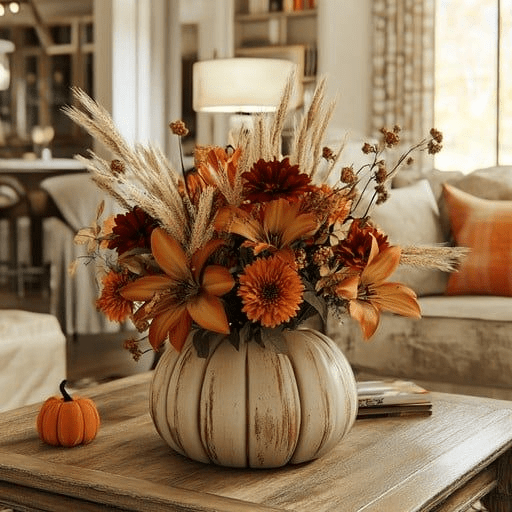
Absolutely! Quality seasonal pieces should serve you for years. Invest in classic autumn colors and natural materials rather than trendy pieces. Neutral colored pumpkins, high-quality throws in timeless colors, and natural wood accessories never go out of style.
Mix these consistent pieces with fresh elements each year new candle scents, different natural arrangements, or updated pillow covers to keep your look current without starting from scratch.
Follow, Like and Suscribe!
 Linda Designs | Home Decor, Interior Design & Lifestyle Inspiration