- Why Teen Spaces Matter More Than Ever in 2025
- The 2025 Design Landscape: What’s Driving Teen Preferences
- Essential Elements for a 2025 Teen Room Refresh
- Room Layouts That Actually Function
- Bringing Nature Indoors: The Biophilic Design Movement
- Budget-Friendly Refresh Strategies
- Creating Spaces That Support Mental Health
- Seasonal Adaptability for Year-Round Freshness
- The Social Media Factor
- Looking Forward: Preparing for Post-High School Transitions
- Conclusion: Creating Spaces That Grow With Them
- Frequently Asked Questions About Teen Room Refreshes
- What are the main teen bedroom decor trends for back-to-school 2025?
- How can I do a full teen room refresh on a small budget?
- What are the smartest storage solutions for a teenager with too much stuff?
- What is the best room layout for a teenager who games and studies?
- What are the best DIY projects to update a teen’s bedroom for cheap?
- Related Post
The summer’s lazy days are winding down. Your teenager’s room? It’s probably showing signs of three months of Netflix marathons, late-night gaming sessions, and that creative chaos only teens can master. But here’s the thing back-to-school season isn’t just about new notebooks and fresh sneakers anymore.
It’s time for a room refresh that speaks their language while embracing the design trends that are absolutely dominating 2025. I’ve witnessed firsthand how the right environment can completely revolutionize a teen’s mindset as they head into a new academic year.
Why Teen Spaces Matter More Than Ever in 2025
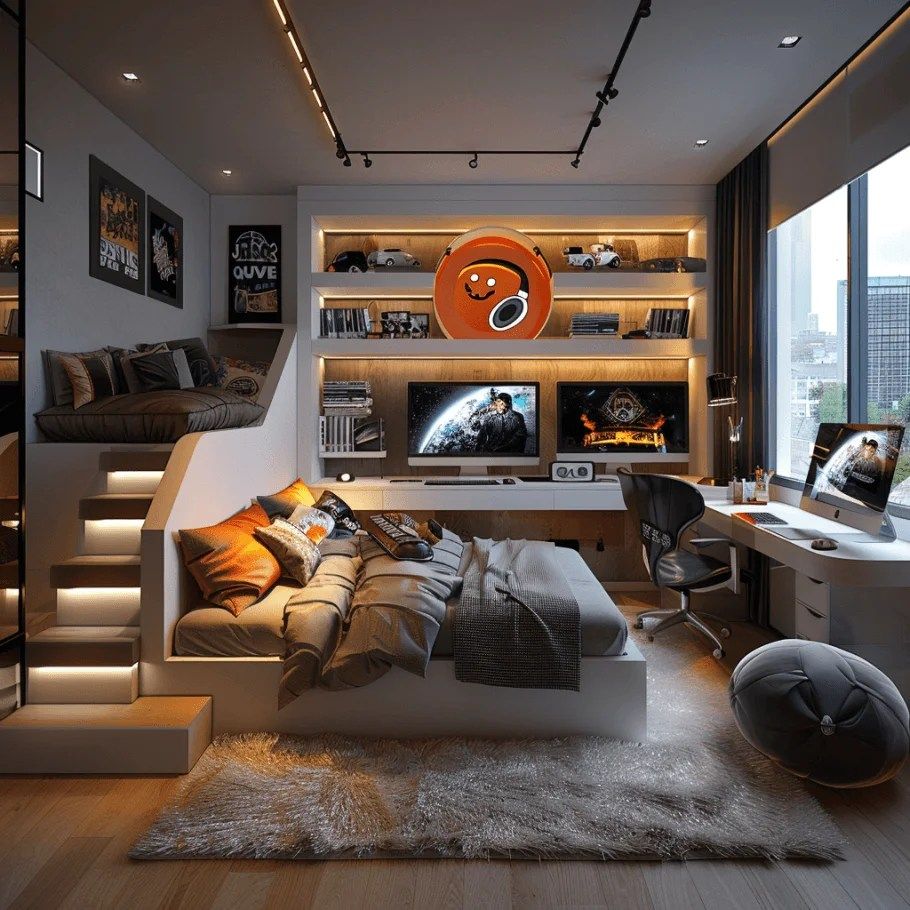
Gone are the days when a teen’s room was simply a place to sleep and store clothes. Today’s teenagers are digital natives who need spaces that seamlessly blend study zones with relaxation areas, creative corners with tech hubs. Their rooms have become command centers for their entire lives.
The pandemic fundamentally shifted how we think about personal spaces. Teens learned to adapt their bedrooms for virtual learning, socializing, and self-expression in ways previous generations never experienced. Now, as we settle into 2025, their spatial needs have evolved into something beautifully complex.
Statistics tell the story: Recent studies show that 78% of teenagers spend 6+ hours daily in their bedrooms, making it the most utilized space in their lives outside of school. That’s huge! It means every design decision carries weight from the color of their walls to the placement of their desk chair.
The 2025 Design Landscape: What’s Driving Teen Preferences
This year’s trends aren’t just pretty Instagram moments. They’re rooted in genuine lifestyle shifts that reflect how teenagers actually live, work, and express themselves.
Sustainable Luxury Takes Center Stage
Environmental consciousness isn’t a trend for today’s teensit’s a core value. They want beautiful spaces that don’t cost the earth. Literally.
Vintage furniture pieces are having a massive moment. Not the stuffy antiques your grandmother collected, but carefully curated vintage finds that tell stories and reduce environmental impact. Think mid-century modern desks with gorgeous wood grain, retro accent chairs in bold colors, and vintage lighting fixtures that serve as conversation starters.
Sustainable furniture brands like West Elm are responding with lines specifically designed for conscious consumers, offering pieces made from reclaimed materials and sustainable manufacturing processes.
The beauty of sustainable design? Each piece has character. Your teen’s room becomes uniquely theirs through thoughtful curation rather than mass-market purchasing.
Maximalist Expression Meets Functional Living
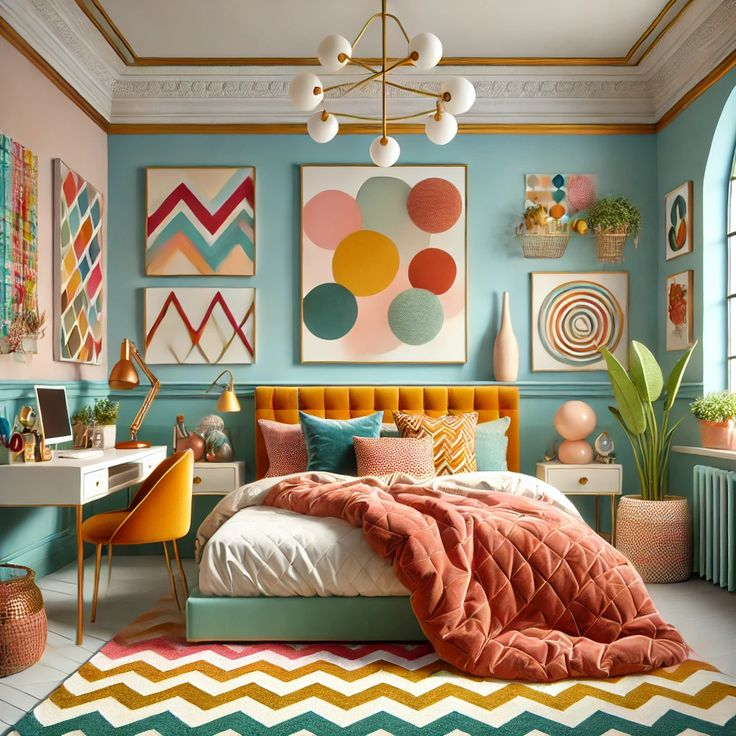
Minimalism had its moment. 2025 belongs to thoughtful maximalism spaces that celebrate abundance while maintaining functionality.
Picture this: gallery walls that showcase everything from concert posters to personal artwork, mixed with family photos and inspirational quotes. Layered textiles that create depth and warmth. Collections displayed proudly rather than hidden away.
But here’s the key it’s curated maximalism. Every item earns its place through personal significance or functional value. The result? Spaces that feel rich, lived-in, and authentically teenage without descending into chaos.
Essential Elements for a 2025 Teen Room Refresh
Color Psychology That Actually Works
Forget the outdated notion that teens only want black walls or neon everything. This generation understands color psychology intuitively and craves palettes that support their emotional well-being.
Trending color combinations for 2025:
- Sage green and warm terracotta: This earthy pairing promotes both calm focus and creative energy
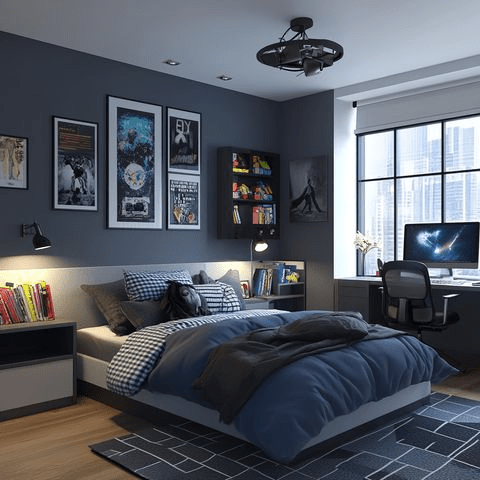
- Deep navy with brass accents: Sophisticated yet youthful, perfect for study-focused spaces
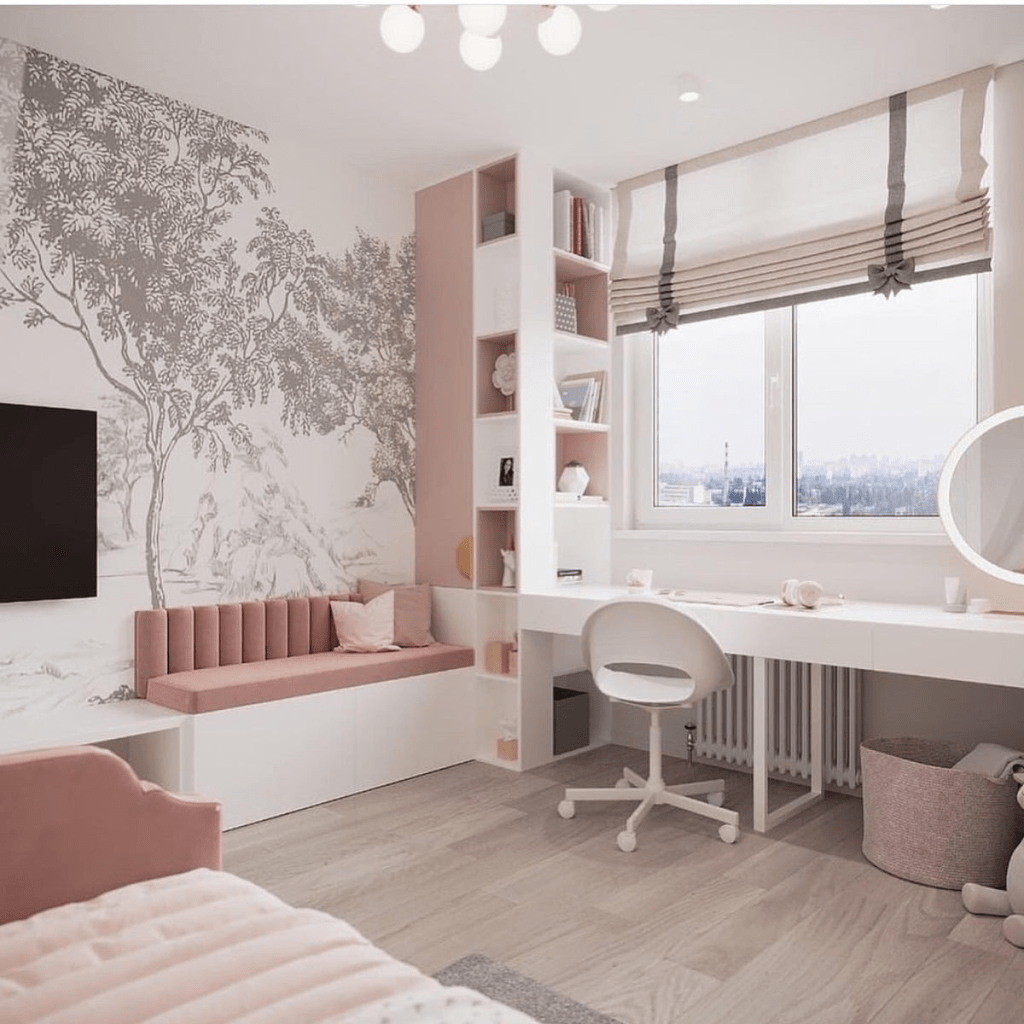
- Dusty rose and charcoal gray: Gender-neutral elegance that photographs beautifully for social media
- Cream and forest green: Brings nature indoors while maintaining a clean, organized feel
As we move away from the decade of gray dominance, we’re embracing warmer, more comforting hues that create emotional connection and personal comfort in teen spaces.
The trick? Let your teen lead the conversation. Their color preferences often reflect their personality and current emotional needs more accurately than any design magazine could predict.
Benjamin Moore’s 2025 Color Forecast highlights these nature-inspired palettes as responses to our collective desire for grounding and authenticity in uncertain times.
Flexible Furniture Solutions
Today’s teens need spaces that transform throughout the day. Study mode in the morning, chill zone in the afternoon, creative studio in the evening.
Investment pieces that work overtime:
- Storage ottomans: Seating, storage, and footrests all in one. Shop versatile ottomans on Amazon that can handle everything from extra blankets to art supplies.
- Modular desk systems: Components that can be rearranged as needs change. Start small and add pieces as their interests evolve.
- Daybed configurations: Perfect for rooms that double as hang-out spaces for friends while providing comfortable sleep.
- Rolling storage carts: Mobile organization that can move from desk to bed to closet as needed.
The goal isn’t just furniture it’s creating a system that grows with them.
Tech Integration Done Right
Let’s be real. Technology isn’t going anywhere. The smart approach? Design spaces that accommodate tech needs while promoting healthy usage habits.
Essential tech considerations:
Smart lighting systems that adjust throughout the day, supporting natural circadian rhythms while providing the perfect illumination for different activities. Morning study sessions need bright, cool light. Evening relaxation benefits from warm, dimmed settings.
Charging stations that eliminate cord chaos while keeping devices accessible. Built-in USB outlets, wireless charging pads integrated into furniture, and designated device parking spots prevent the dreaded dead-phone panic.
Sound management through strategic placement of soft furnishings and acoustic panels disguised as wall art. Teen spaces need to contain sound for family harmony while providing good acoustics for video calls and music enjoyment.
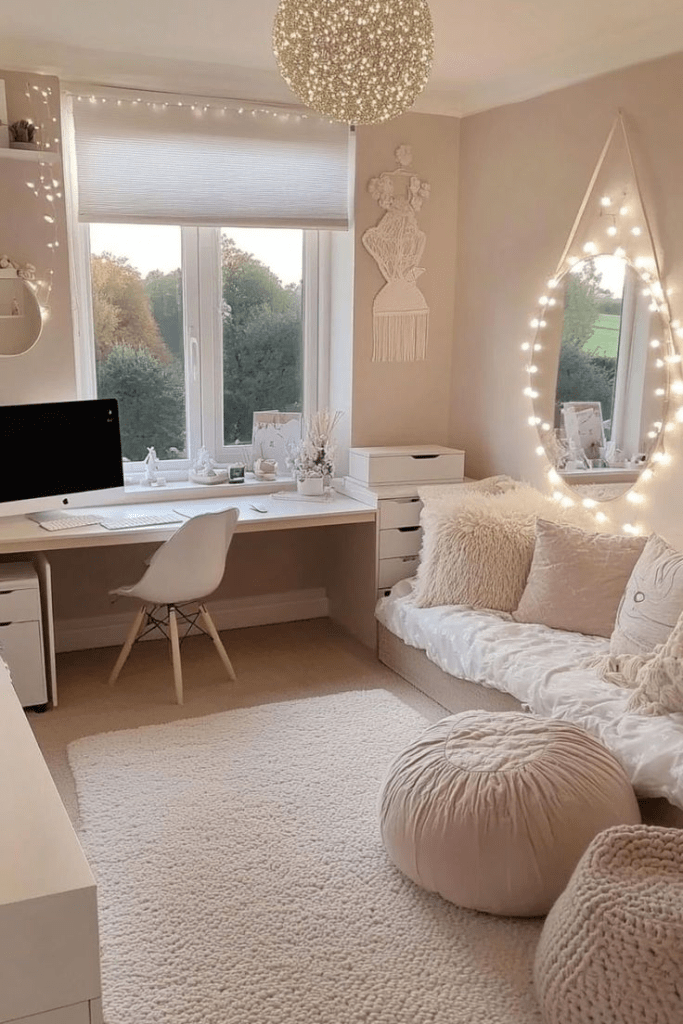
Room Layouts That Actually Function
The Zone Approach
Successful teen spaces operate on a zone system that supports different activities without requiring major furniture rearrangements.
Sleep Zone: The bed area should feel separate from work and social spaces. Use room dividers, different lighting, or even subtle color changes to create this psychological boundary. Quality sleep directly impacts academic performance and emotional regulation.
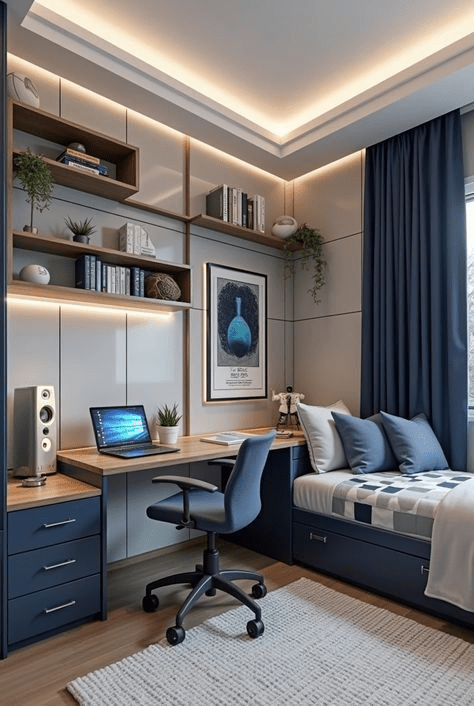
Study Zone: Position the desk near natural light sources when possible, but ensure good task lighting for evening homework sessions. The study area should feel organized and distraction-free a challenge when bedrooms must serve multiple functions!
Social Zone: Whether it’s floor cushions for casual hangouts or a small seating area, teens need space to connect with friends in their personal environment. This doesn’t mean accommodating large groups, but rather creating an inviting atmosphere for intimate conversations.
Creative Zone: Many teens are artists, musicians, writers, or makers. Dedicate space for their creative pursuits, even if it’s just a corner with good lighting and storage for supplies.
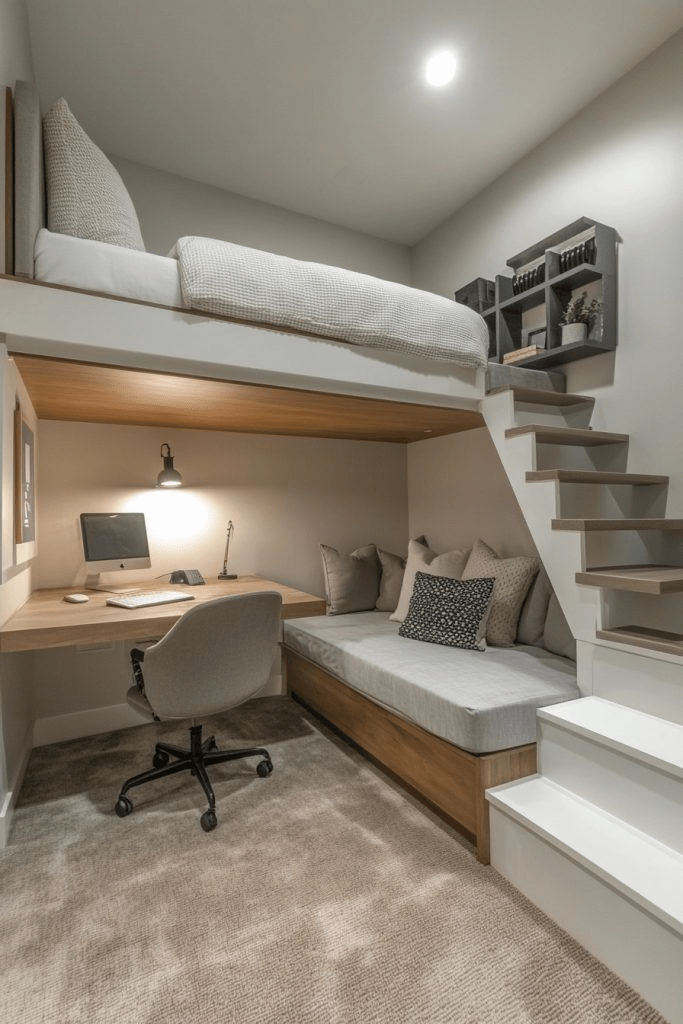
Storage Solutions That Don’t Feel Like Storage
Traditional bedroom storage often fails teenagers because it doesn’t match how they actually live and organize their belongings.
Open shelving works better than closed cabinets for frequently used items. Teens are visual organizers if they can’t see it, it doesn’t exist. But this means the storage itself becomes part of the room’s aesthetic.
Modular shelving systems from IKEA or stylish storage solutions on Amazon allow for customization as their needs change throughout high school and beyond.
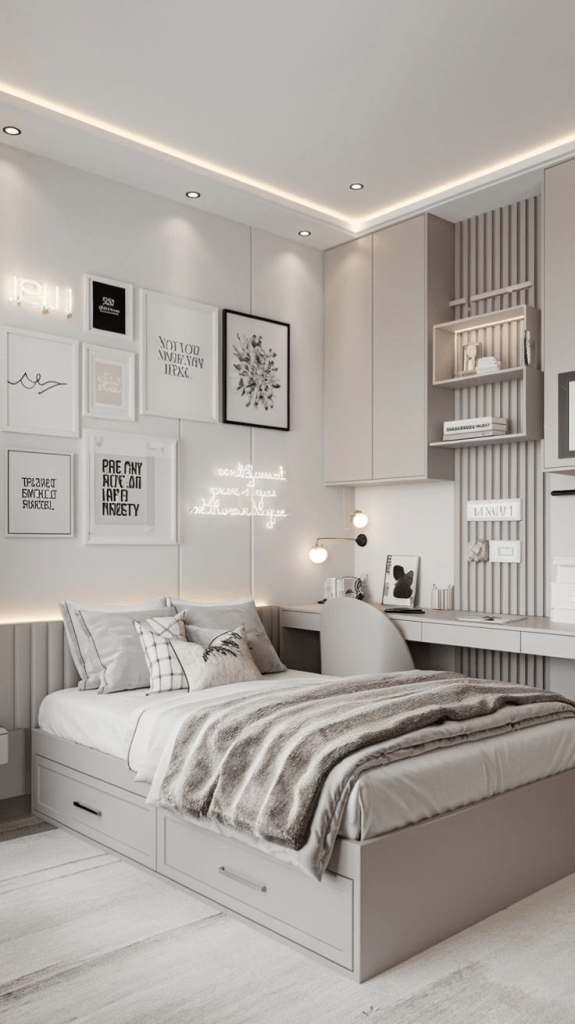
Under-bed storage works brilliantly for seasonal items or things they want to keep but don’t access daily. Rolling drawers or storage boxes make this space functional rather than just a dust collector.
Bringing Nature Indoors: The Biophilic Design Movement
Plants That Thrive in Teen Spaces
Indoor plants aren’t just Instagram props they’re scientifically proven to improve air quality, reduce stress, and enhance cognitive function. Perfect for spaces where teens spend most of their time.
Low-maintenance options that forgive teenage forgetfulness:
Pothos plants are nearly indestructible and grow beautifully in various lighting conditions. Snake plants require minimal water and add striking vertical elements to room corners. Peace lilies actually tell you when they need water by drooping dramatically perfect for visual learners.
The key is starting small and choosing plants that match their lifestyle. A teen who travels frequently for sports needs different plants than one who’s home most evenings.
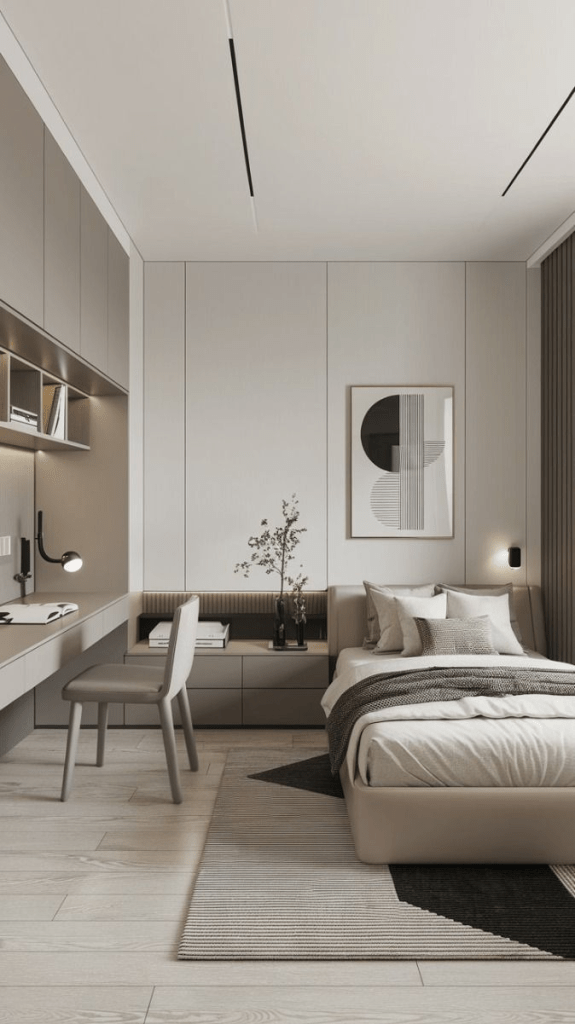
Natural Materials and Textures
Incorporating wood, stone, and organic fibers creates grounding energy in spaces that could otherwise feel overwhelmingly digital.
Jute rugs add texture and warmth while being durable enough to handle teenage life. Wood furniture brings organic shapes and natural color variation that mass-produced pieces can’t match. Even small touches like stone bookends or wooden picture frames contribute to this natural aesthetic.
Budget-Friendly Refresh Strategies
The 80/20 Rule for Teen Room Makeovers
You don’t need to replace everything to create dramatic change. Focus 80% of your budget on high-impact changes and 20% on smaller details that personalize the space.
High-impact changes:
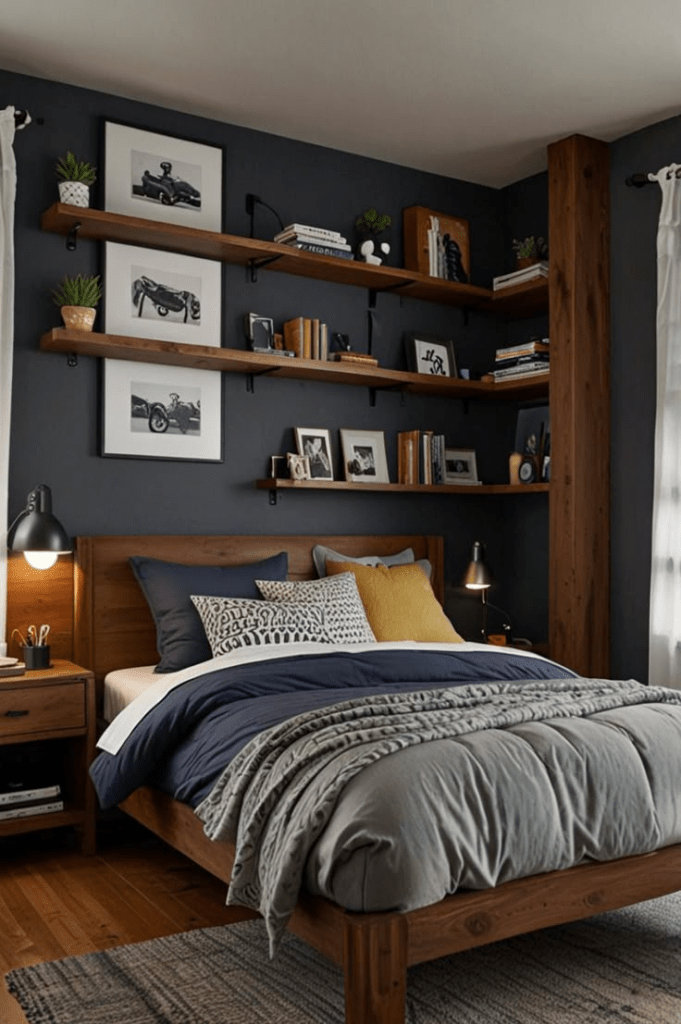
- Fresh paint (DIY-friendly and instantly transformative) – check out our ultimate guide to choosing the best paint colors for your home for expert color selection tips
- New bedding in trending colors or patterns
- Updated lighting fixtures
- One statement furniture piece
Personal details:
- Artwork and prints
- Decorative pillows
- Plants and planters
- Small organizational accessories
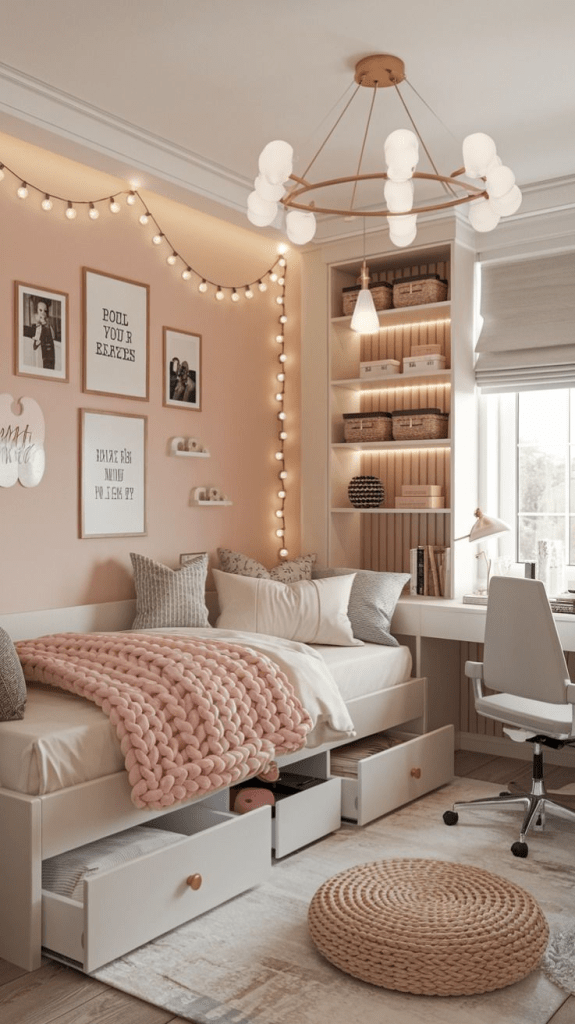
DIY Projects That Actually Look Professional
Today’s teens are incredibly capable creators when given the right guidance and materials.
Achievable weekend projects:
Gallery wall creation using a mix of personal photos, prints, and small floating shelves. The key is planning the layout on the floor first and using paper templates to perfect placement before making holes in the wall.
Custom wall decals from Amazon allow for temporary personalization perfect for rental situations or teens who change preferences frequently.
Rope lighting installation creates ambient lighting that’s both functional and atmospheric. LED strips behind headboards or around windows add dramatic effect without requiring electrical work.
Furniture upcycling transforms thrift store finds into custom pieces. A basic wooden dresser becomes a statement piece with the right paint treatment and new hardware.
Creating Spaces That Support Mental Health
The Psychology of Personal Space
Mental health awareness has reached new heights among teenagers, and their room design often reflects this consciousness. Spaces that support emotional well-being aren’t accidents they’re intentionally created through thoughtful design choices.
Natural light exposure impacts mood regulation and sleep patterns. Position key furniture to maximize daylight while providing options for controlling brightness throughout the day. Blackout curtains for sleep combined with sheer panels for daytime privacy create flexibility.
Comfort items aren’t childish they’re essential self-care tools. Whether it’s a collection of soft pillows, a weighted blanket for anxiety management, or a dedicated meditation corner, these elements deserve space in mature room design.
Boundaries and Privacy
Teenagers need spaces where they can process emotions, have private conversations, and simply exist without performance or observation. Room design should support these needs through both physical and psychological privacy.
Sound management becomes crucial in family homes. Heavy curtains, upholstered furniture, and even strategically placed rugs help contain sound and create acoustic privacy. Door locks or room dividers provide physical boundaries when needed.
Visual privacy doesn’t just mean blocking views from outside it means creating spaces within the room where they can retreat when feeling overwhelmed or needing solo time.
Seasonal Adaptability for Year-Round Freshness
Easy Swaps That Transform Mood
Teen preferences change rapidly, often seasonally or even monthly. Design systems that accommodate these shifts without requiring major renovations keep spaces feeling current and personal.
Textile layering allows for easy seasonal updates. Heavy winter bedding swaps out for lighter summer options. Throw pillows change colors with moods or seasons. Wall hangings can be switched out as interests evolve.
Lighting flexibility supports both seasonal changes and daily rhythms. String lights add warmth during darker months. Table lamps provide task lighting for intense study periods. Ambient lighting creates relaxation atmosphere when needed.
The Social Media Factor
Designing for Real Life and Instagram
Today’s teens live in both physical and digital spaces. Their rooms often serve as backdrops for social media content, but this doesn’t mean sacrificing functionality for photos.
Good lighting makes everything look better, both in person and on camera. Natural light during the day, supplemented by warm artificial lighting in the evenings, creates spaces that photograph well while feeling inviting to inhabit.
Curated backgrounds for video calls and photos can be incorporated into room design without dominating it. A well-styled bookshelf, interesting wall art, or even just a clean, well-lit corner provides options without requiring the entire room to be photo-ready at all times.
Looking Forward: Preparing for Post-High School Transitions
Investment Pieces That Travel Well
Smart teen room design considers the future. Furniture and decor choices that work in college dorms, first apartments, and beyond provide better long-term value than purely teenage-focused items.
Quality basics like good desk chairs, sturdy bookcases, and classic lighting fixtures transition easily to new spaces. For teens who appreciate clean, functional design, consider exploring minimalist furniture options that offer timeless appeal and versatility across different life stages. Neutral foundation pieces allow for personality additions without requiring complete room overhauls.
Sentimental items deserve preservation consideration. Creating systems for safely storing meaningful objects that might not fit current aesthetics but hold emotional value shows respect for their personal history while maintaining current functionality.
Conclusion: Creating Spaces That Grow With Them
The perfect teen room isn’t about following trends blindly or creating Instagram-worthy spaces that sacrifice functionality. It’s about understanding how your teenager actually lives, works, and recharges, then designing an environment that supports all aspects of their complex, evolving lives.
2025’s design trends offer incredible opportunities for creating spaces that are both deeply personal and beautifully functional. Sustainable choices, thoughtful maximalism, and technology integration done right can transform bedrooms into true sanctuaries that support academic success, creative expression, and emotional well-being.
Remember the best teen room is one that feels authentically theirs while providing the structure and support they need during these crucial developmental years. Start with understanding their needs, incorporate elements that excite them, and create systems flexible enough to evolve with their changing interests and responsibilities.
Your teen’s room refresh isn’t just about new decor. It’s about creating a foundation for their success, creativity, and happiness as they navigate their teenage years and prepare for the adventures beyond.
Ready to start your teen’s room transformation? Begin with conversations about their vision, assess your space honestly, and take it one zone at a time. The results will be worth every effort a space that truly supports who they are becoming.
Frequently Asked Questions About Teen Room Refreshes
What are the main teen bedroom decor trends for back-to-school 2025?
The biggest trends shaping teen spaces this year center around sustainable luxury and thoughtful maximalism. We’re seeing a major shift toward vintage and secondhand furniture pieces that tell stories while reducing environmental impact. Color-wise, sage green paired with warm terracotta is dominating, along with sophisticated navy and brass combinations.
Tech integration is becoming seamless rather than obvious think wireless charging built into furniture and smart lighting systems that adjust throughout the day. Gallery walls are huge, but they’re curated collections mixing personal photos, art prints, and meaningful objects rather than random decoration.
The key trend? Spaces that support multiple functions without feeling chaotic. Today’s teens need their rooms to work as study zones, social spaces, creative studios, and relaxation areas all in one.
How can I do a full teen room refresh on a small budget?
The 80/20 rule is your best friend here. Spend 80% of your budget on high-impact changes that dramatically transform the space, and 20% on smaller personalization details.
Your biggest bang for the buck comes from fresh paint (often under $50 for an entire room), new bedding in trending colors or patterns, and updated lighting fixtures. One statement piece like a vintage desk from Facebook Marketplace or a bold area rug can anchor the entire new look.
For the remaining 20%, focus on personal touches: artwork and prints, a few new throw pillows, plants in interesting planters, and small organizational accessories. When shopping for decor and furniture, consider exploring our detailed reviews of the best home decor stores to find quality pieces that fit your budget and style preferences. Budget-friendly decor options on Amazon can help stretch your dollars further.
DIY projects like creating gallery walls, upcycling thrift store furniture, or installing LED strip lighting can achieve expensive-looking results for fraction of the cost. For comprehensive DIY guidance and budget-friendly project ideas, check out our detailed budget home decor DIY guide that covers everything from planning to execution. The secret is planning your color palette first, then shopping strategically to build that vision piece by piece.
What are the smartest storage solutions for a teenager with too much stuff?
The key is working with teenage psychology rather than against it. Teens are visual organizers if they can’t see something, it essentially doesn’t exist to them. This means open shelving and clear storage containers work much better than closed cabinets and opaque bins.
Vertical space is your secret weapon. Floor-to-ceiling shelving units maximize storage without eating up precious floor space. Under-bed storage with rolling drawers transforms dead space into functional organization.
Multi-purpose furniture is essential: storage ottomans that provide seating and hide clutter, bed frames with built-in drawers, and desk organizers that double as decor. Modular storage systems allow you to start small and add components as needs change.
The game-changer? Creating designated homes for everything. Phone charging station, backpack hook, jewelry organizer, art supply caddy when everything has its place, maintaining organization becomes automatic rather than overwhelming.
What is the best room layout for a teenager who games and studies?
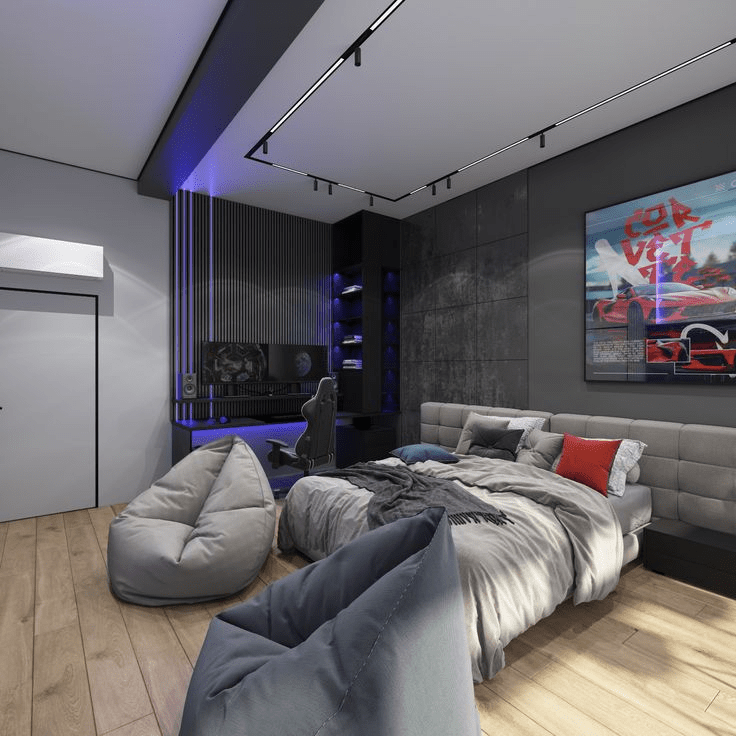
The zone approach is crucial for gaming and studying to coexist successfully. Position the gaming setup and study area in different parts of the room to create psychological separation between work and play.
For the study zone, prioritize natural light during the day but ensure excellent task lighting for evening homework. The desk should face away from the gaming area to minimize distractions during focus time.
Gaming areas work best in corners where you can control lighting and sound without affecting the rest of the room. Consider ergonomic seating that works for both activities a quality office chair serves gaming and studying equally well.
Cable management becomes critical with multiple electronics. Cable management solutions prevent the chaos of tangled cords while keeping everything accessible. Wireless peripherals where possible reduce clutter and improve the clean aesthetic.
Sound management is key for family harmony. Acoustic panels disguised as wall art, heavy curtains, and upholstered furniture help contain gaming noise while improving the room’s overall atmosphere.
What are the best DIY projects to update a teen’s bedroom for cheap?
Gallery walls are the ultimate high-impact, low-cost project. Mix personal photos, art prints, and small floating shelves to create visual interest. The trick is planning the layout on the floor first using paper templates before putting holes in walls.
Furniture upcycling transforms thrift store finds into custom statement pieces. A basic wooden dresser becomes Instagram-worthy with the right paint treatment and updated hardware. Spray paint can transform lamps, picture frames, and small furniture items for under $20.
LED strip lighting installation creates dramatic ambient lighting without requiring electrical work. Place them behind headboards, around windows, or under floating shelves for professional-looking accent lighting.
Custom wall decals from Amazon offer temporary personalization perfect for teens who change preferences frequently or families in rental homes. They’re removable without damage but create major visual impact.
Textile projects like tie-dye pillowcases, macrame plant hangers, or simple curtain panels add personality and color without permanent changes. These projects often cost under $30 in materials but deliver custom results that reflect your teen’s unique style.
 Linda Designs | Home Decor, Interior Design & Lifestyle Inspiration