- The Psychology Behind Pattern Mixing Success
- Color: The Secret Weapon of Successful Pattern Mixing
- Seasonal Pattern Personalities: Summer’s Greatest Hits
- Room-by-Room Pattern Mixing Strategies
- The Technical Side: Scale, Proportion, and Visual Weight
- Common Pattern Mixing Mistakes (And How to Avoid Them)
- Seasonal Transitions: From Summer Maximalism to Year-Round Style
- Expert Tips for Pattern Mixing Confidence
- Conclusion: Your Summer Maximalist Journey
- Related Posts
Transform your space into a vibrant sanctuary with fearless pattern combinations that celebrate the season
Summer calls for celebration. Not the whispered elegance of minimalism, but the joyous cacophony of maximalist design that embraces every bold stripe, exuberant floral, and geometric wonder your heart desires.
Pattern mixing once considered the exclusive domain of fashion mavens and interior design rebels has emerged as the defining trend of contemporary summer decorating.
But here’s the thing: throwing together random patterns doesn’t create maximalist magic. It creates chaos.
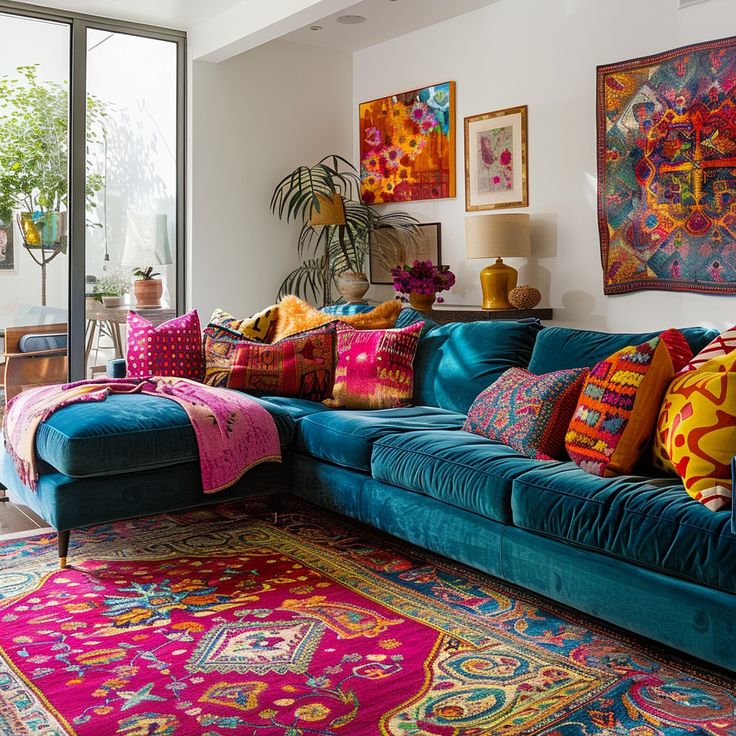
The Psychology Behind Pattern Mixing Success
Why do some pattern combinations make your heart sing while others assault your senses? The answer lies in understanding visual harmony within complexity.
Successful pattern mixing operates on principles of rhythm, scale, and color theory concepts that interior designers have wielded for decades to create spaces that feel both dynamic and cohesive.
Consider this: your eye craves stimulation, but it also seeks rest. The most successful maximalist interiors provide both through strategic pattern placement and careful attention to proportion. According to research on maximalist design psychology, “being surrounded by objects and plenty of colors you love can have an incredible effect on your happiness and well-being.”
When you master these fundamentals, you unlock the ability to layer patterns with confidence rather than crossing your fingers and hoping for the best.
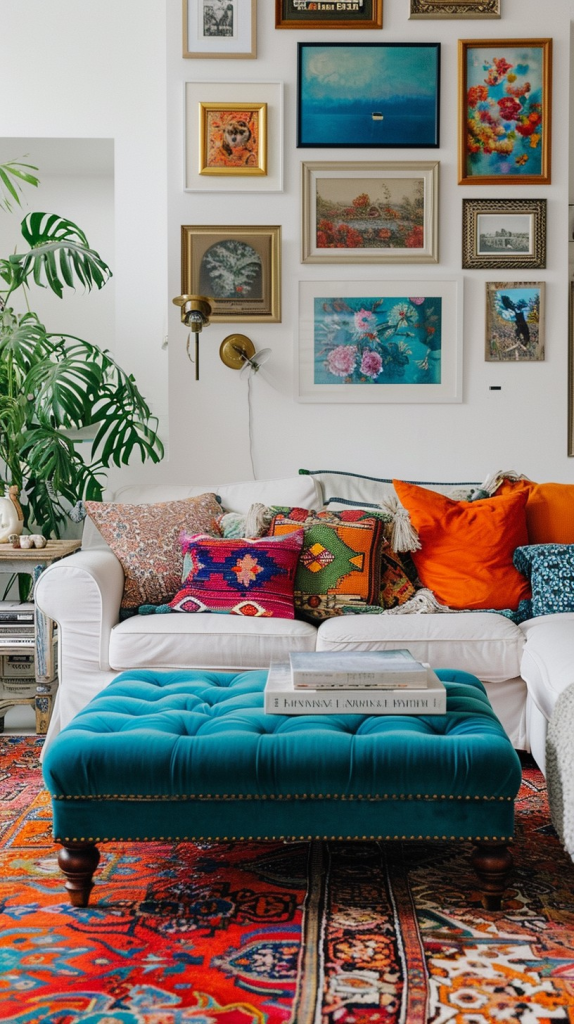
The Rule of Three: Your Pattern Mixing Foundation
Start with three distinct pattern types. Always three.
Large-scale patterns serve as your anchor think oversized tropical leaves, dramatic damask, or bold geometric prints that command attention from across the room. These statement makers establish your design’s personality and set the visual temperature for everything that follows.
Medium-scale patterns bridge the gap between bold and subtle, offering complexity without overwhelming your space. Moroccan tiles, classic stripes, or medium florals work beautifully here. They’re the harmonious middle ground that prevents your design from feeling either too aggressive or too timid.
Small-scale patterns add texture and depth tiny polka dots, delicate paisleys, or fine geometric details that reward closer inspection. These intimate patterns create layers of interest that reveal themselves gradually, like discovering hidden treasures in a maximalist wonderland.
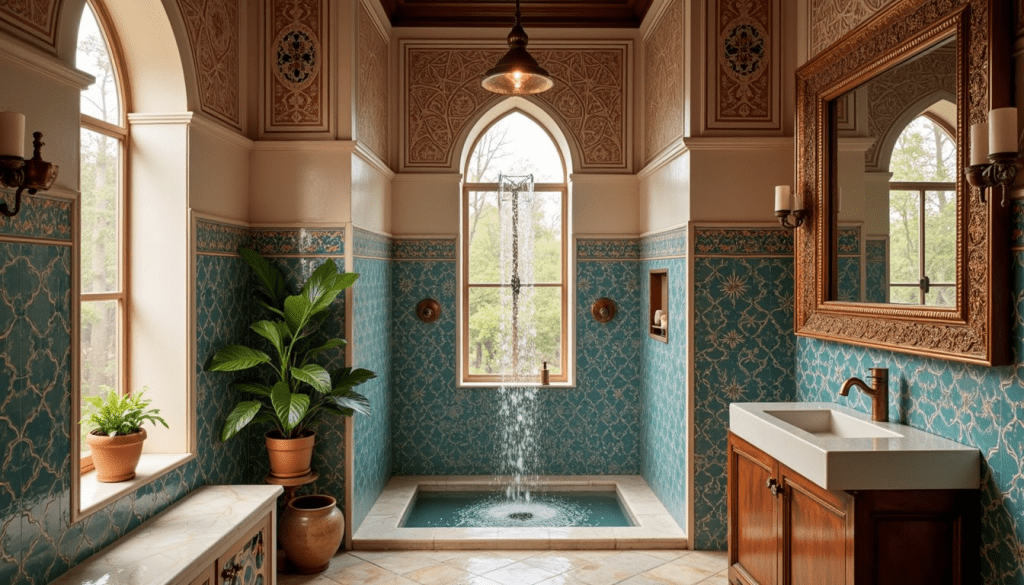
Color: The Secret Weapon of Successful Pattern Mixing
Color coherence transforms potential pattern chaos into sophisticated maximalism. But forget everything you think you know about matching. Summer maximalism thrives on unexpected color relationships that somehow, impossibly, work together.
The 60-30-10 Formula Reimagined
Traditional interior design suggests the 60-30-10 color rule: 60% dominant color, 30% secondary, 10% accent. Maximalist pattern mixing flips this concept entirely. Instead of thinking about color percentages, consider color intensity and temperature relationships.
Hot and cool partnerships create the most striking combinations. Pair warm coral florals with cool navy geometrics. Combine sunny yellow stripes with deep emerald botanicals. The temperature contrast prevents colors from competing while maintaining visual excitement.
As color theory experts explain, “by combining different tints, shades, and hues of a single color or mixing multiple colors, interior designs can create effects that evoke emotion or convey a message.”
Analogous adventures offer safer yet sophisticated options for pattern mixing newcomers. Colors that sit next to each other on the color wheel think coral, pink, and red, or teal, blue, and purple create harmonious pattern combinations that feel intentional rather than accidental.
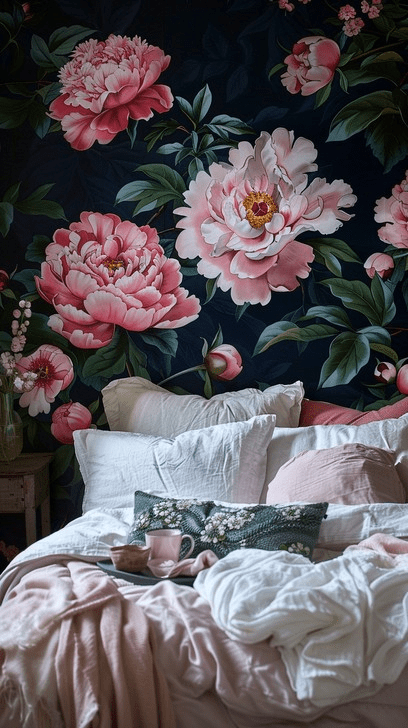
Seasonal Pattern Personalities: Summer’s Greatest Hits
Summer maximalism celebrates specific pattern personalities that capture the season’s exuberant energy. Understanding these archetypes helps you build cohesive pattern stories throughout your space.
Tropical Paradise Maximalism
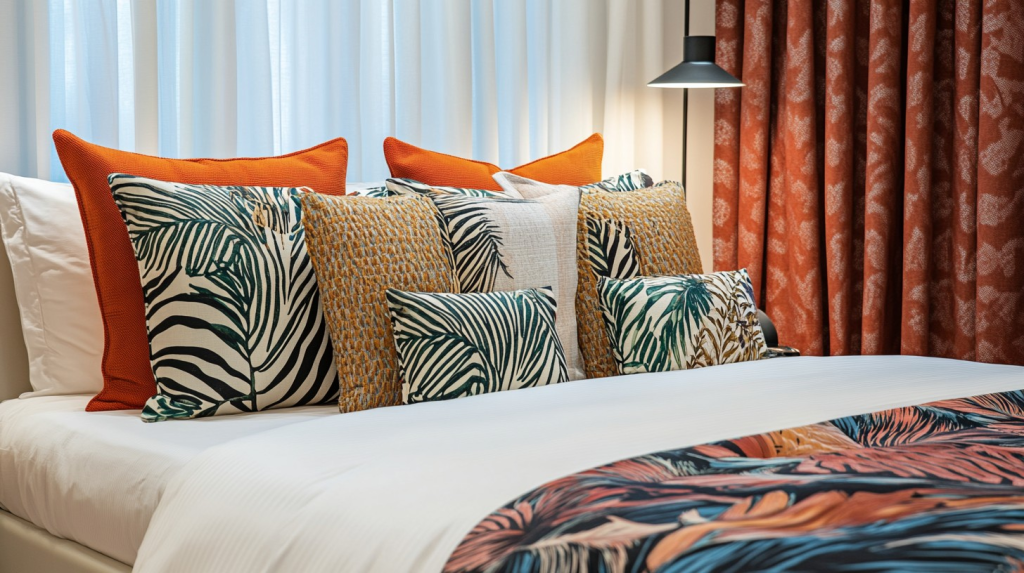
Nothing says summer like lush botanical prints cascading across your living space. Large-scale palm leaves pair magnificently with medium geometric rattan patterns and small-scale tribal prints. The key lies in maintaining a consistent color story perhaps coral, sage green, and cream while varying the pattern scales dramatically.
Layer a oversized palm leaf wallpaper with geometric throw pillows in coordinating colors. Add small-scale pattern interest through textured baskets, detailed ceramics, or intricate textile details. The result feels like a curated tropical escape rather than a theme park interpretation.
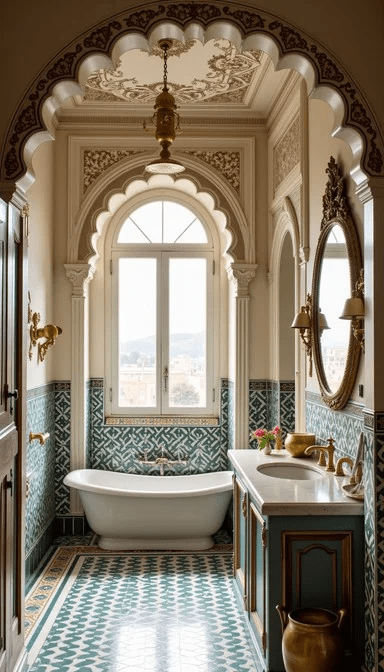
Mediterranean Mosaic Approach
Drawing inspiration from sun-soaked coastal regions, this pattern mixing style combines ornate geometrics with relaxed stripes and detailed florals.
Think Moroccan tiles meeting French toile meeting casual nautical stripes an unlikely combination that works through shared Mediterranean color palettes of deep blues, warm terracottas, and creamy whites.
Start with geometric tile patterns as your large-scale anchor. Introduce medium-scale florals or paisley patterns in coordinating colors. Layer in classic stripes through textiles, keeping the stripe scale smaller than your dominant patterns to maintain visual hierarchy.
For additional inspiration on coastal pattern mixing, explore our comprehensive collection of coastal decor ideas for a seaside home that beautifully demonstrate how ocean-inspired patterns work together.
Bohemian Maximalist Fusion
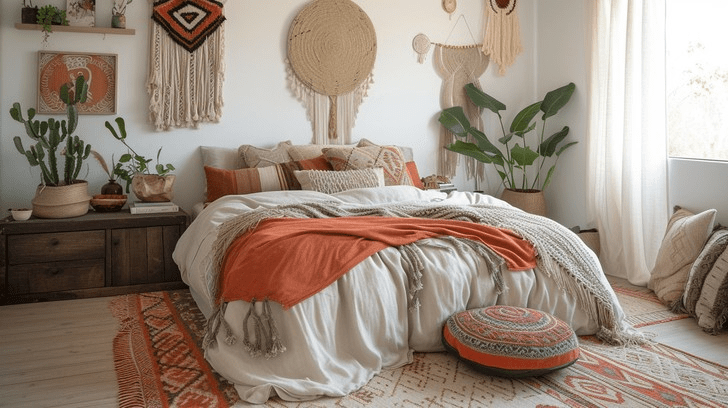
Global patterns meet contemporary sensibilities in this increasingly popular summer approach. Combine intricate Indian block prints with Scandinavian geometrics and African-inspired textiles. The secret ingredient? A unifying neutral base that allows each pattern to contribute to the overall composition without competing for dominance.
Use natural linen or cotton in cream or warm white as your foundation. Layer patterned elements strategically perhaps a large-scale block print duvet cover, medium geometric throw pillows, and small-scale patterned accessories.
For comprehensive guidance on creating the perfect boho foundation, explore our detailed guide on how to achieve the perfect boho bedroom look. The neutral base prevents the global patterns from overwhelming your space while celebrating their individual beauty.

Room-by-Room Pattern Mixing Strategies
Different spaces require different pattern mixing approaches. Your bedroom demands different energy than your living room, and your kitchen benefits from patterns that complement its functional requirements.
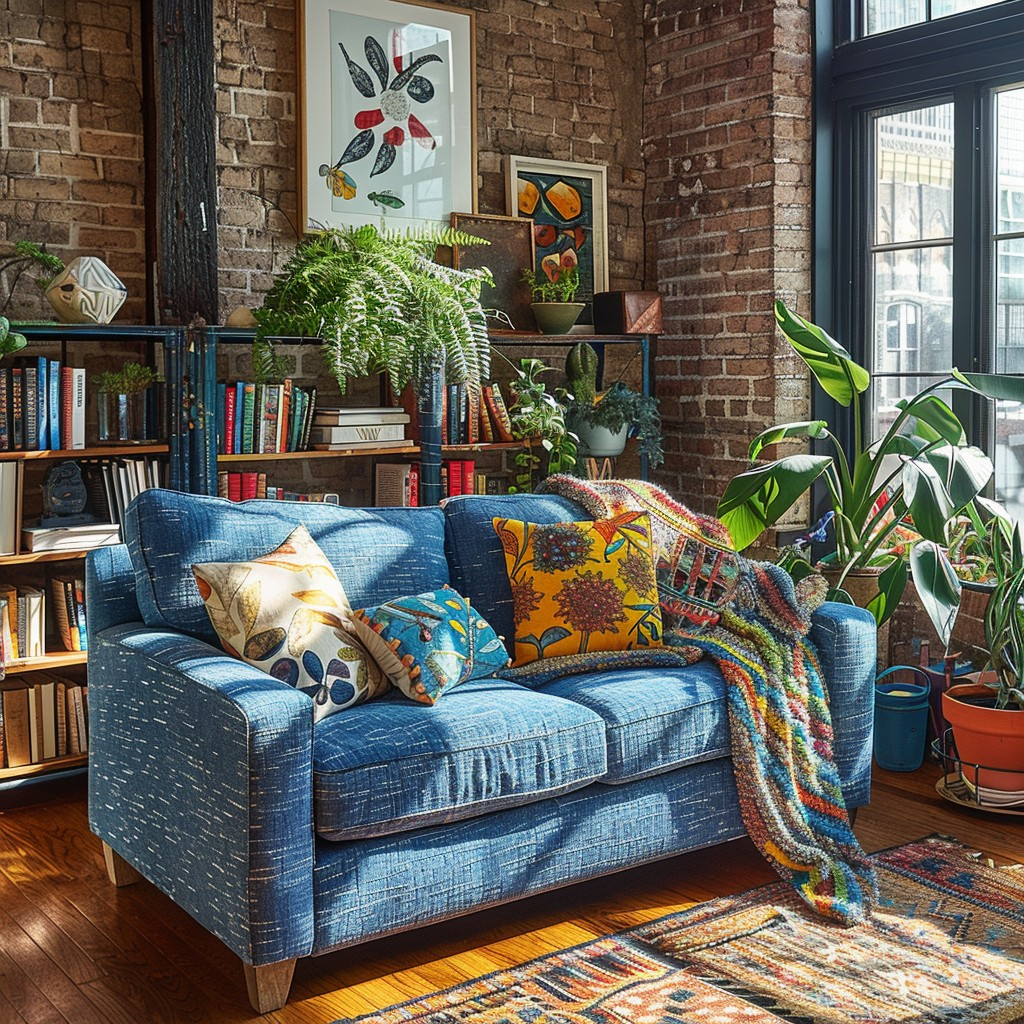
Living Room Maximalism: Creating Conversation
Living rooms offer the perfect canvas for bold pattern mixing experimentation. Multiple seating areas, varied lighting conditions, and diverse functional zones provide natural opportunities for pattern layering without visual overload.
Begin with your largest furniture piece likely your sofa. Choose a medium-scale pattern that you absolutely love, something you’ll enjoy seeing every day.
Build your pattern story around this anchor piece, introducing complementary patterns through throw pillows, area rugs, window treatments, and artwork.
Consider pattern placement height. Lower patterns (rugs, ottoman covers) can handle larger scales and bolder colors than eye-level patterns (throw pillows, artwork).
Higher patterns (window treatments, wall art) benefit from lighter colors and smaller scales that don’t overwhelm the vertical space.
Layer textures alongside patterns for additional visual interest. Smooth cotton prints pair beautifully with nubby wool textures or sleek leather accents.
The textural variety prevents your pattern mixing from feeling flat or one-dimensional.
Bedroom Bliss: Patterns That Promote Rest
Bedroom pattern mixing requires more restraint than living spaces, but that doesn’t mean abandoning maximalist principles entirely.
Focus on creating a cocoon-like environment that feels luxurious and enveloping rather than stimulating and energetic.
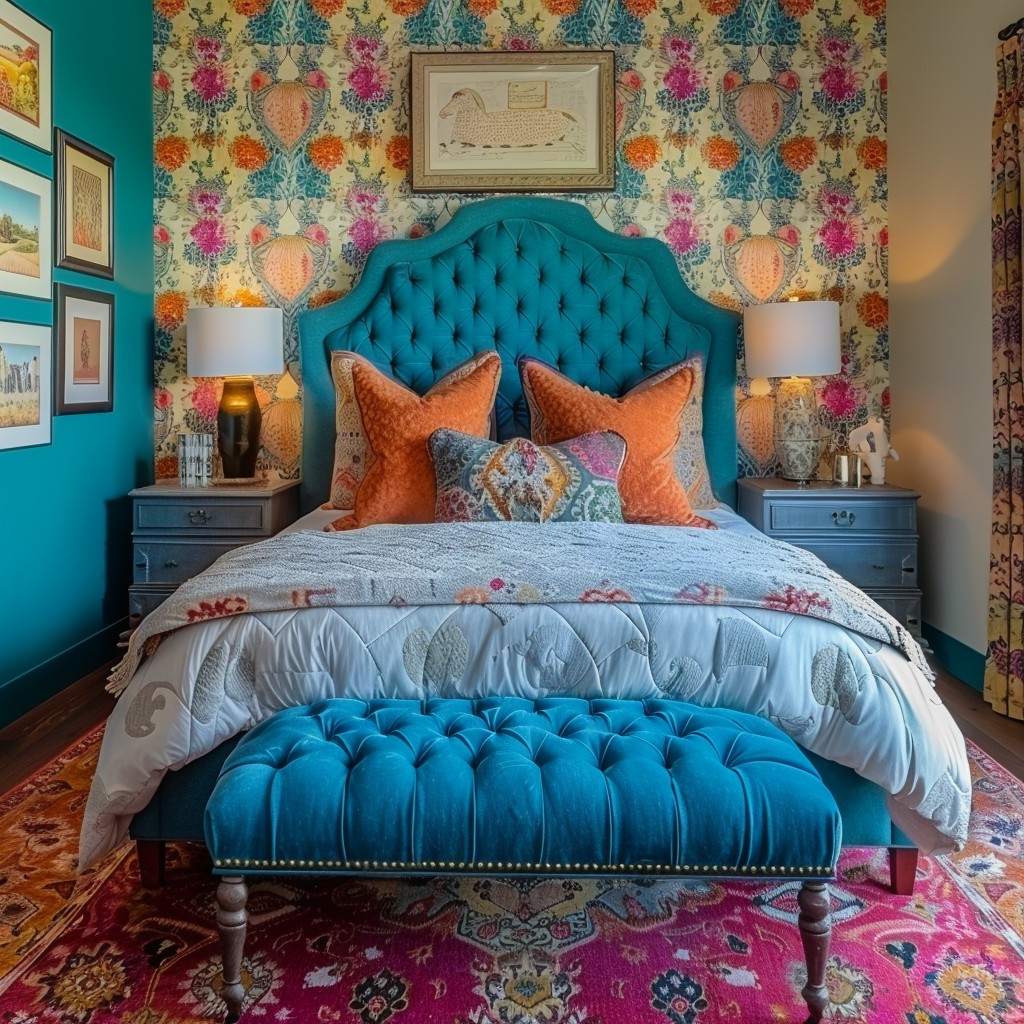
Start with your bedding as the pattern foundation. Choose one statement pattern perhaps a large-scale floral or dramatic geometric for your duvet cover or comforter.
Layer in smaller-scale patterns through throw pillows, keeping the color palette slightly more muted than you might choose for living areas.
Window treatments offer another pattern opportunity, but consider the light filtration alongside the visual impact. Heavy patterns on blackout curtains can feel overwhelming in smaller bedrooms, while lighter patterns on sheer fabrics add interest without visual weight.
Limit bold patterns to three major elements in bedroom spaces: bedding, window treatments, and area rug, for example.
Use solid colors or very subtle patterns for remaining elements to maintain the restful atmosphere essential for quality sleep.
Kitchen and Dining: Functional Pattern Play
Kitchen pattern mixing presents unique challenges and opportunities. Durability, cleanability, and food safety must influence your pattern choices alongside aesthetic considerations.
Backsplash tiles offer the perfect opportunity for geometric pattern introduction. Choose patterns that complement your cabinetry and countertops while adding visual interest to what’s often a utilitarian space.
Medium-scale patterns work best large enough to make an impact, small enough to avoid overwhelming limited wall space.
Textile patterns in kitchens require careful consideration. Choose washable fabrics for window treatments, and consider pattern scale in relation to your kitchen’s size. Smaller kitchens benefit from smaller patterns that don’t compete with appliances and cabinetry for visual attention.
For inspiration on creating bold, patterned kitchen spaces, see our guide on transforming your kitchen into a vibrant eclectic space.
Dining areas can handle bolder pattern combinations than working kitchen spaces. Table linens, chair upholstery, and area rugs provide pattern mixing opportunities that can be changed seasonally. Summer dining calls for fresh, vibrant patterns that complement outdoor entertaining and seasonal produce displays.

The Technical Side: Scale, Proportion, and Visual Weight
Understanding the technical aspects of pattern mixing elevates your maximalist designs from chaotic to sophisticated. Visual weight, pattern scale relationships, and proportion principles guide successful pattern combinations.
Pattern Scale Mathematics
Successful pattern mixing relies on mathematical relationships between pattern scales. Your largest pattern should be approximately three times larger than your medium pattern, which should be roughly three times larger than your smallest pattern.
This 3:1 ratio creates pleasing visual hierarchy without jarring transitions.
Measure pattern repeats when possible. A 12-inch floral pattern pairs beautifully with a 4-inch geometric and a 1-inch stripe or polka dot. These proportional relationships feel intentional rather than accidental.
Professional designers emphasize that effective pattern mixing requires careful attention to scale, noting that “when choosing pattern you also need to take into account scale… the main thing being to mix the scales from large to small.”
Consider viewing distance when selecting pattern scales. Patterns viewed from across the room can handle larger scales than patterns examined up close.
Your area rug patterns can be more dramatic than your throw pillow patterns, which are viewed at closer range.
Visual Weight Distribution
Not all patterns carry equal visual weight, even when they’re similar in scale. High contrast patterns feel heavier than low contrast patterns. Busy patterns feel heavier than simple patterns. Dark colors feel heavier than light colors.
Distribute visual weight evenly throughout your space to avoid creating heavy focal points that unbalance your overall design. If you choose a high-contrast, busy pattern for one major element, balance it with lighter, simpler patterns elsewhere.
Understanding scale and proportion principles is crucial for creating balanced compositions that feel intentional rather than chaotic.
Metallic accents and solid colors provide visual rest between patterned elements. Don’t feel compelled to pattern every surface strategic solid color placement prevents pattern overload while maintaining maximalist energy.

Common Pattern Mixing Mistakes (And How to Avoid Them)
Even experienced decorators make pattern mixing mistakes. Learning to recognize and avoid these common pitfalls saves time, money, and frustration.
The Matching Trap
Perfectly matched pattern sets lack the energy that makes maximalism exciting. Avoid buying complete pattern collections from a single manufacturer. Instead, mix patterns from different sources, different time periods, and different design styles.
The goal isn’t matching it’s harmonizing. Patterns should relate to each other through color, style, or mood without being identical twins.
For contrast, consider how Art Deco interior design achieves sophisticated pattern mixing through geometric precision and luxurious materials a different approach that can inform your maximalist choices.
Scale Monotony
Using multiple patterns of similar scale creates visual confusion rather than maximalist sophistication. Vary your pattern scales dramatically for the most successful combinations.
Three medium-scale patterns competing for attention create chaos. One large, one medium, and one small pattern create hierarchy and visual flow.
Color Chaos
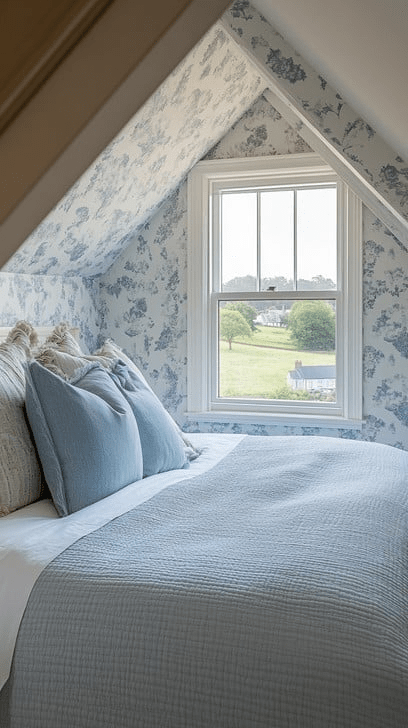
Too many unrelated colors create pattern mixing disasters. Limit your color palette to five colors maximum, including neutrals. More colors rarely improve pattern combinations they usually overwhelm them.
Choose one or two dominant colors, one or two supporting colors, and one neutral. Use these colors in varying proportions across your pattern selections.
Ignoring Style Consistency
Mixing pattern styles can work beautifully, but it requires intention and skill. Combining traditional florals with contemporary geometrics and tribal prints demands careful attention to color and scale relationships.
Start with patterns that share similar energy levels or style periods before attempting dramatic style mixing. Master simpler combinations before tackling complex multicultural pattern stories.
Seasonal Transitions: From Summer Maximalism to Year-Round Style
Summer maximalism doesn’t have to disappear with the season. Strategic seasonal adjustments allow you to maintain maximalist energy while adapting to changing weather and moods.
Layering for Longevity
Build your pattern foundation with pieces you’ll love year-round. Invest in quality large-scale patterns for major furniture pieces and permanent installations.
Add seasonal pattern interest through easily changeable elements like throw pillows, artwork, and textile accessories.
Summer’s bright tropical patterns can transition to autumn through the addition of warmer accent colors and richer textures.
The same palm leaf wallpaper that feels fresh and tropical in summer can feel exotic and sophisticated in winter when paired with jewel-toned accessories and luxurious textures.
Budget-Friendly Seasonal Updates
Textile swaps provide the most affordable seasonal pattern updates. Replace bright summer throw pillows with deeper autumn versions in similar patterns. Switch lightweight summer curtains for heavier winter versions in complementary patterns.
Artwork offers another budget-friendly seasonal transition option. Rotate patterned art pieces seasonally, or add seasonal pattern interest through temporary wall decals or removable wallpaper sections.

Expert Tips for Pattern Mixing Confidence
Building pattern mixing confidence takes practice, but these professional strategies accelerate your learning curve.
Start Small, Think Big
Begin with accessories before committing to major pattern investments. Practice pattern mixing through throw pillows, artwork, and small textile pieces. Once you develop an eye for successful combinations, invest in larger patterned pieces with greater confidence.
Collect pattern samples fabric swatches, wallpaper samples, or even magazine clippings and experiment with combinations before purchasing. This low-risk experimentation builds your pattern mixing intuition.
Trust Your Instincts
Your immediate emotional response to pattern combinations provides valuable information. If a combination makes you smile or feel energized, it’s probably working. If it makes you feel anxious or unsettled, trust that instinct even if the combination follows all the “rules.”
Pattern mixing success depends partially on personal preference and lifestyle. What works in a design magazine might not work in your specific space with your particular needs.
Embrace Imperfection
Maximalist pattern mixing isn’t about achieving perfection it’s about creating energy and personality. Small “mistakes” often contribute to a space’s charm and authenticity.
The most successful maximalist interiors feel collected over time rather than perfectly coordinated. Allow your pattern combinations to evolve gradually rather than expecting immediate perfection.
Conclusion: Your Summer Maximalist Journey
Summer maximalism through bold pattern mixing offers endless opportunities for creative expression and seasonal celebration.
The key lies not in following rigid rules, but in understanding the principles that guide harmonious pattern relationships.
Start with the three-pattern foundation: large, medium, and small scales in a cohesive color story. Build your confidence through small experiments and seasonal accessories. Trust your instincts while learning from both successes and mistakes.
Remember that the most beautiful maximalist spaces feel personal and collected rather than perfectly coordinated. Your pattern mixing journey should reflect your personality, lifestyle, and evolving aesthetic preferences.
This summer, embrace the joy of bold pattern combinations that make you smile every time you enter your space. Life’s too short for boring interiors make yours a celebration of color, pattern, and fearless design confidence.
Ready to transform your space with bold summer patterns? Explore more home decor inspiration and DIY projects at Linda Designs, where stunning home transformations meet practical interior design advice. From seasonal decorating tips to room makeover guides, discover everything you need to create the maximalist summer sanctuary of your dreams.
Follow us, Share like and Suscribe!
 Linda Designs | Home Decor, Interior Design & Lifestyle Inspiration