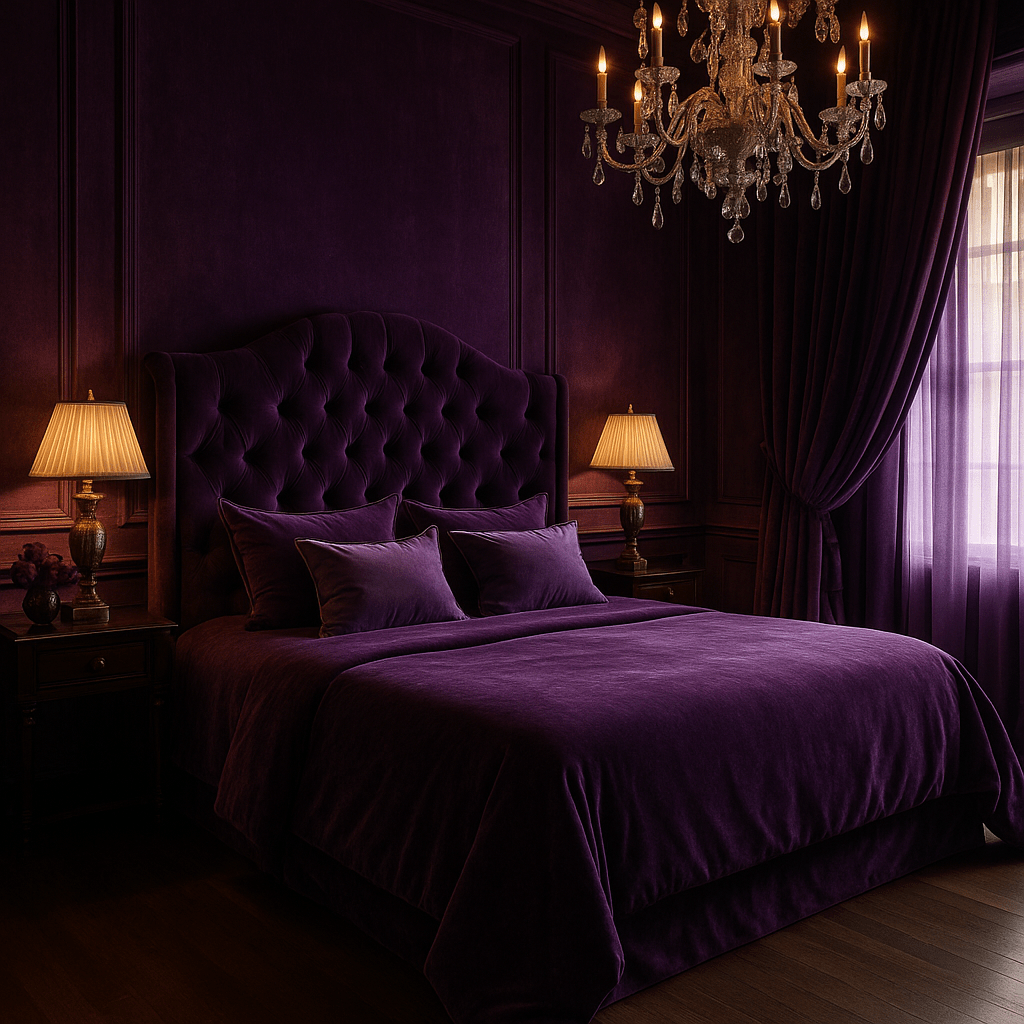
Picture this: You walk into a room and everything just… flows.
No jarring white ceiling interrupting the visual journey. No stark trim lines cutting through the harmony. Just pure, immersive color that wraps around you like a warm embrace, this is the revolutionary magic of color drenching interior design, and it’s completely transformed how I approach creating spaces that feel both intentional and deeply personal.
What Is Color Drenching? The Game-Changing Monochromatic Room Design Trend
Color drenching isn’t simply slapping the same paint everywhere and calling it a day. Far from it. This sophisticated interior design technique involves painting walls, ceilings, and trim in the same or carefully coordinated color palette, creating an envelope of color that eliminates visual interruptions while adding unexpected depth and drama to any space.
Why does this work so brilliantly? Your eye travels seamlessly around the room without hitting those traditional stopping points no white ceiling acting like a visual speed bump, no contrasting trim demanding attention. Instead, you get flow. Continuity. A sense of calm sophistication that makes your furniture and artwork absolutely sing as focal points.
Through my research and experimentation with color drenching techniques in my own home, I’ve discovered something fascinating: this monochromatic approach doesn’t just look stunning it actually makes people feel more relaxed and focused. Environmental psychology research confirms what design enthusiasts have been experiencing firsthand: monochromatic interior spaces reduce visual stress and create that coveted sense of sanctuary modern homeowners desperately crave.
The Psychology Behind Color Drenching: Why Monochromatic Rooms Feel So Good
Ever wonder why walking into a beautifully color-drenched room feels like exhaling?
When everything in a space shares the same color family, our brains experience what designers call “visual rest” there’s simply less information to process, which translates directly into feelings of calm and sophistication. Small rooms appear larger. Awkward architectural features mysteriously disappear. The entire space feels cohesive, intentional, and surprisingly luxurious.
Essential Tools and Materials for Professional Color Drenching Results
Paint Selection: Your Foundation for Success
Quality matters and I cannot stress this enough. High-quality paint with superior coverage will save you time, money, and frustration while delivering the seamless results that make color drenching so impactful. For the best color drenching results, invest in premium paint brands like Benjamin Moore or Sherwin-Williams, which offer the consistency and coverage essential for this technique.
Here’s something crucial most DIY guides overlook: always test your chosen colors extensively. Light changes dramatically throughout the day, and that perfect shade at noon might feel completely different at sunset. For comprehensive guidance on color selection, check out The Ultimate Guide to Choosing the Best Paint Colors for Your Home.
Professional-Grade Tools That Make the Difference
You’ll need high-quality brushes and rollers, primer specifically chosen for your color, painter’s tape for clean lines, and adequate drop cloths. Don’t skimp here quality tools create quality results.
Room-by-Room Color Drenching Implementation Guide
Living Room Color Drenching: Creating Cozy Conversation Spaces
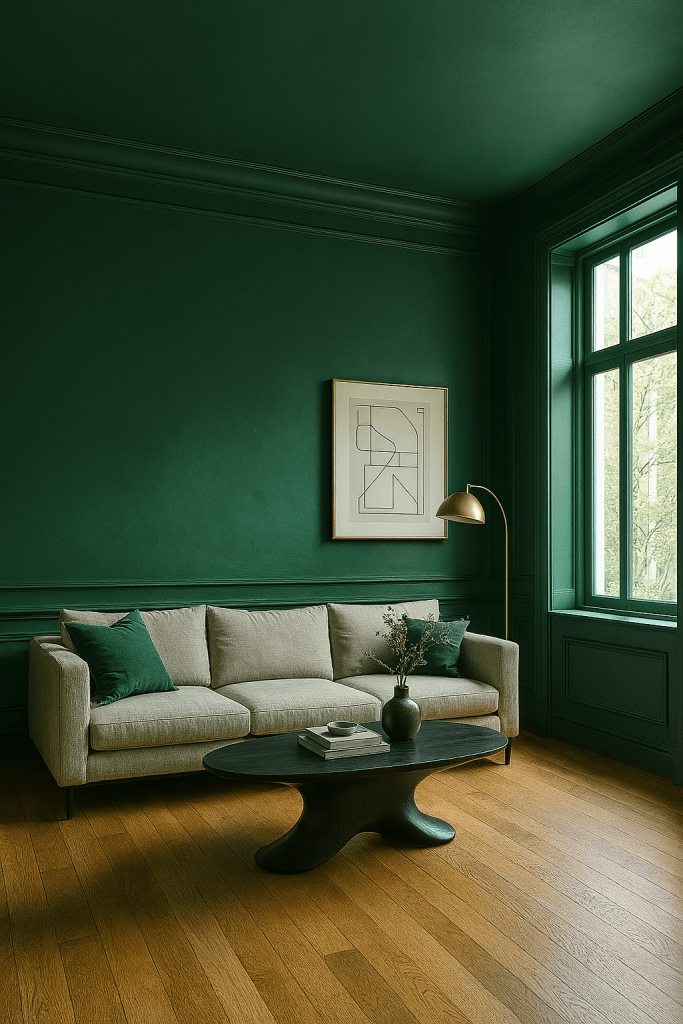
Your living room needs to accomplish something complex: promote relaxation while encouraging conversation, feel sophisticated yet welcoming, appear spacious while maintaining intimacy. Color drenching delivers on all these seemingly contradictory requirements.
Deep blues create instant sophistication. Warm terracottas feel genuinely welcoming. Rich greens bring nature indoors without feeling overwhelming. If you’re moving away from cooler tones, check out The Warmth Revolution: Embracing Cozy Hues and Bidding Farewell to the Gray Era for inspiration on selecting warmer color palettes.
The Step-by-Step Process:
- Prepare completely: remove furniture, protect floors
- Prime all surfaces with high-quality primer
- Start with the ceiling using a roller with extension pole
- Paint walls in vertical sections, maintaining wet edges
- Finish with trim using a high-quality angled brush
For a standard 12×14 living room with 9-foot ceilings, expect to use 2-3 gallons of paint, depending on your color’s hiding power and the number of coats required.
Bedroom Color Drenching: Crafting Your Personal Sleep Sanctuary
Bedrooms demand something special. They need to feel calm, sophisticated, deeply personal. Almost sacred.
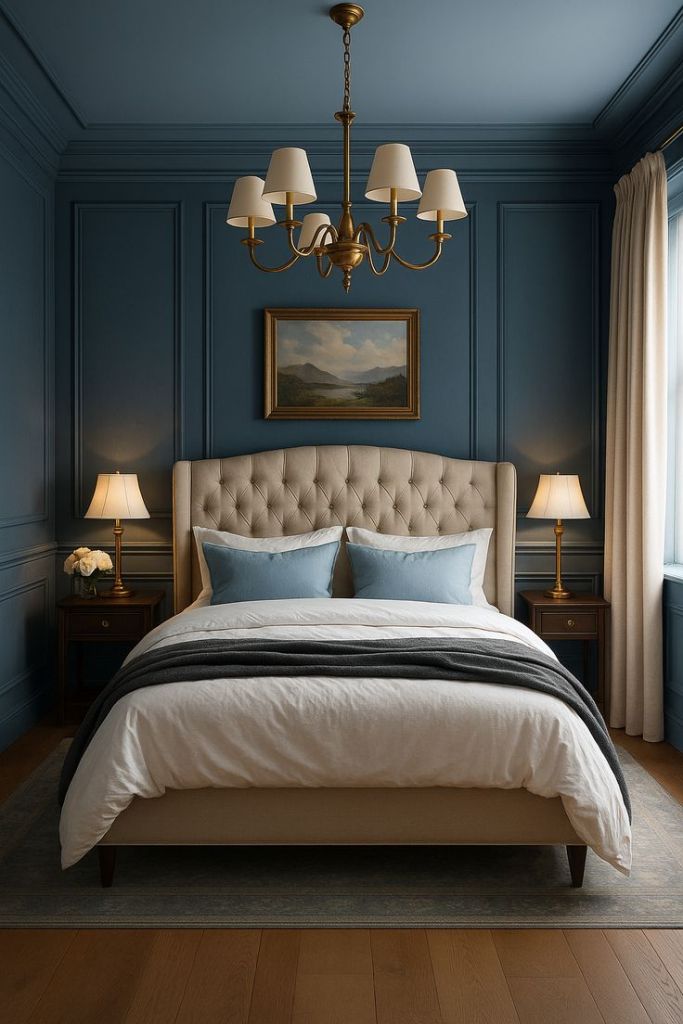
Deep navy feels luxurious and enveloping. Warm mushroom creates earthiness without feeling heavy. Soft sage brings tranquility that actually helps you sleep better. For more bedroom color inspiration, explore these serene blue bedroom ideas that work beautifully with the color drenching technique.
Consider creating an accent wall behind your headboard using a shade that’s 25% deeper than your main color. Paint your ceiling the same color as your walls this creates that enveloping feeling that makes color drenching so transformative.
Lighting becomes absolutely crucial in bedrooms. Install dimmer switches. Use warm-toned bulbs (2700K). This enhances the cozy, cocoon-like feeling that properly executed monochromatic rooms naturally create.
Dining Room Color Drenching: Creating Dramatic Entertaining Spaces
Dining rooms can handle drama. They should handle drama.
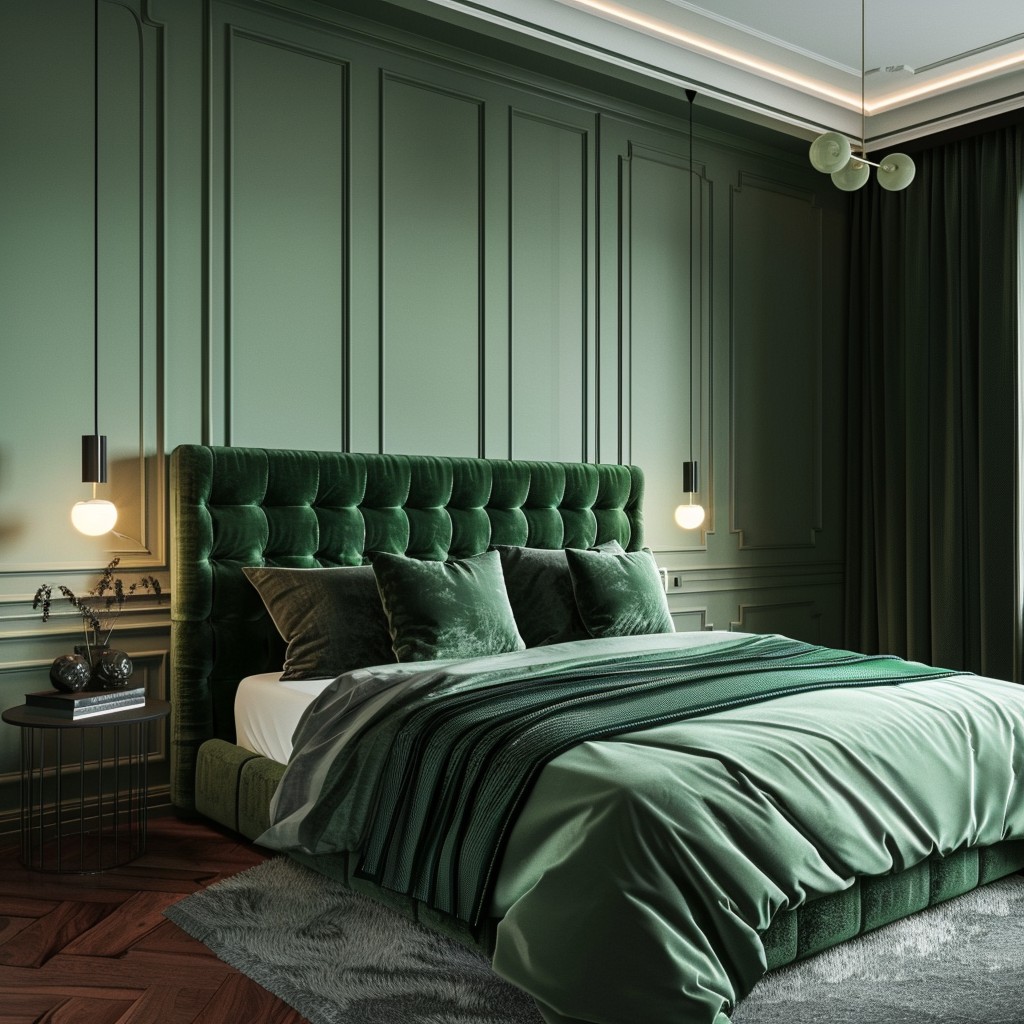
Rich burgundy creates instant elegance. Deep forest green feels sophisticated and timeless. Dramatic charcoal adds modern edge while maintaining versatility. The key is assessing your natural light first dining rooms often have less natural light than other spaces, which actually allows for these deeper, more dramatic colors to shine.
Plan your lighting carefully. Multiple light sources prevent the space from feeling cave-like while maintaining that dramatic effect you’re after.
Kitchen Color Drenching: Bold Culinary Design Statements
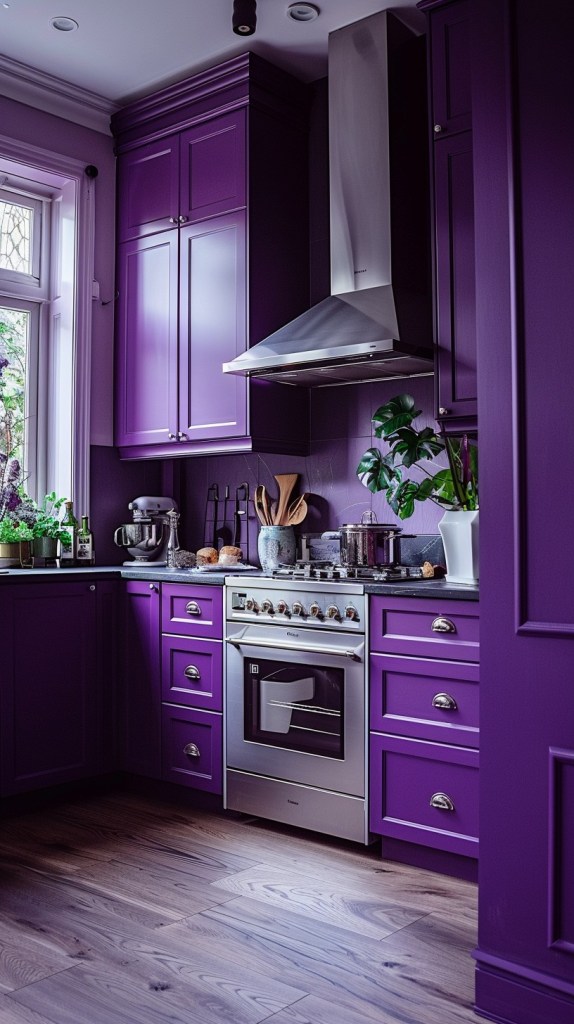
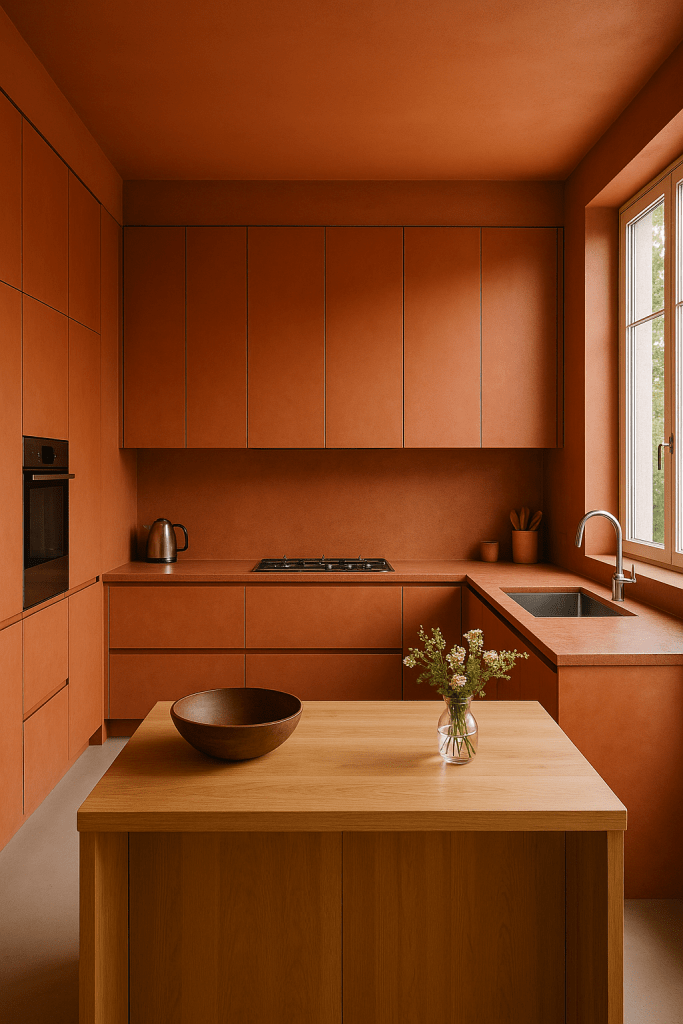
Kitchens present unique challenges when implementing color drenching techniques. You’re working with existing finishes, and functionality absolutely cannot be compromised.
If you have white cabinets, warm terracotta walls and ceiling create instant warmth. Soft blue adds freshness without feeling cold. For more guidance on kitchen color selection, see our guide on transforming your kitchen into a vibrant eclectic space.
Consider your backsplash carefully it needs to work harmoniously with your new color scheme. Use semi-gloss paint on walls up to chair rail height for easy cleaning, transitioning to satin above.
Bathroom Color Drenching: Creating Spa-Like Sanctuaries
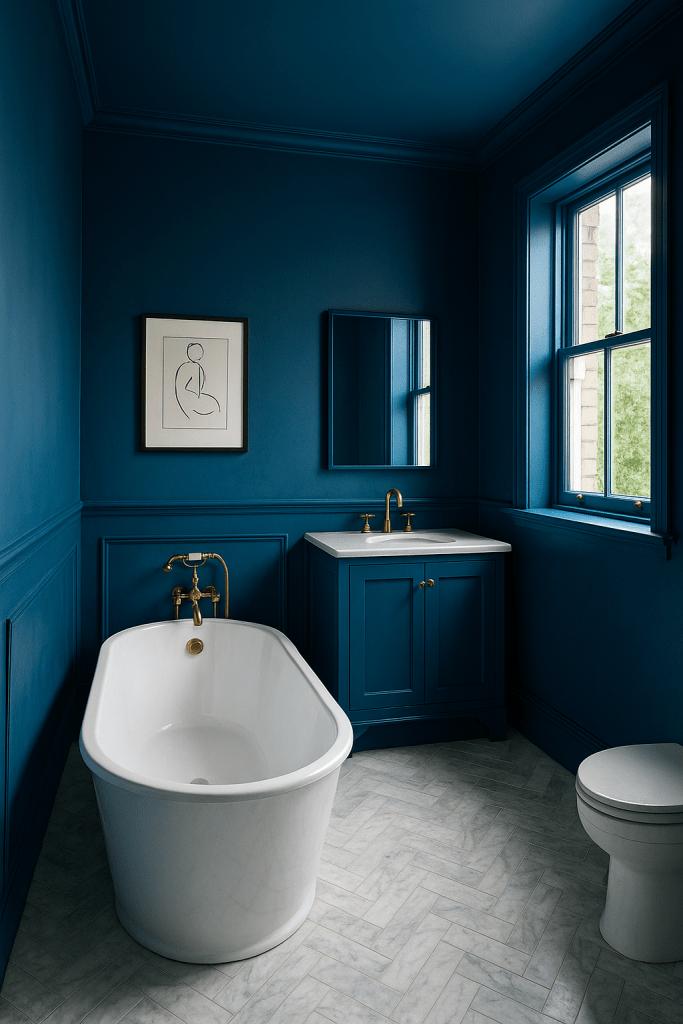
Bathrooms benefit from colors that feel fresh, clean, and rejuvenating. Soft blues feel refreshing and spa-like. Warm whites create serenity. Pale greens bring nature indoors without overwhelming the space.
Moisture considerations are absolutely crucial. Ensure adequate ventilation, use moisture-resistant primer, and select bathroom-specific paint formulations. In small bathrooms, lighter colors work better. Larger master bathrooms can handle deeper hues beautifully.
Home Office Color Drenching: Designing Productive Work Environments
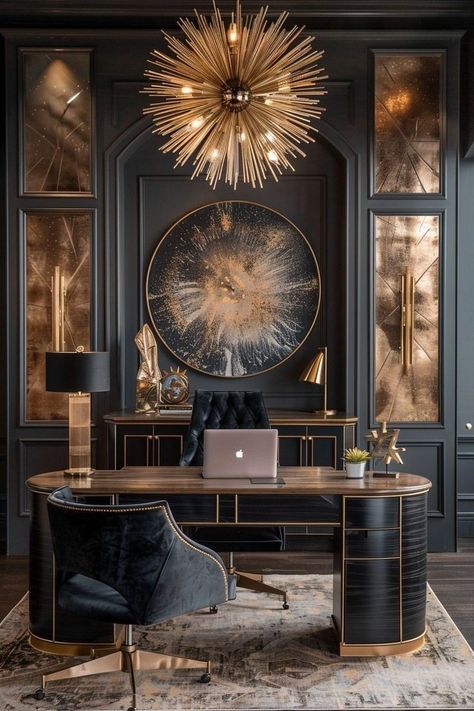
Your home office needs to promote focus and creativity simultaneously,no small task.
Deep green reduces eye strain during long work sessions. Warm navy feels professional without being stuffy. Sophisticated gray-blues create calm concentration that actually improves productivity.
According to research from the American Psychological Association, color significantly impacts mood and productivity, making thoughtful color choices crucial for work environments. Monochromatic rooms in home offices reduce visual distractions, allowing for better focus and deeper work.
Advanced Color Drenching Techniques for Design Enthusiasts
Tonal Variations: Creating Subtle Interest Within Monochromatic Schemes
Create depth by using different values of the same color. Paint walls in your base color, ceiling in a shade 25% lighter, and trim in a shade 25% deeper. This maintains the monochromatic effect while adding sophisticated visual interest that prevents the space from feeling flat.
Finish Mixing: Adding Texture Through Strategic Sheen Selection
Combine different paint finishes of the same color for subtle texture variation. Use flat on ceilings for soft, light-absorbing surfaces. Satin on walls provides subtle sheen that adds depth. Semi-gloss on trim adds durability and just enough contrast to define architectural features without breaking the color flow.
Architectural Enhancement: Making Features Disappear or Pop
Use color drenching strategically to either highlight beautiful architectural features or make problematic ones disappear. Paint everything built-ins, molding, beams in the same color family to create seamless integration.
Common Color Drenching Mistakes and Professional Solutions
Lighting Oversights: The Most Critical Error
The Problem: Choosing colors without considering how different lighting conditions affect them throughout the day.
The Solution: Test paint samples in morning light, afternoon sun, and evening artificial light. Colors change dramatically that perfect shade at noon might feel completely wrong at sunset.
Color Matching Errors: Subtle Variations That Ruin the Effect
The Problem: Using slightly different colors that create a disjointed, amateur look.
The Solution: Use the same paint batch for all surfaces whenever possible, or carefully match undertones if you need multiple batches.
Finish Conflicts: When Sheen Choices Work Against You
The Problem: Using inappropriate finish combinations that create unwanted contrast or look unprofessional.
The Solution: Plan finish selections based on room function and desired effect. Different sheens can add interest, but they need to be intentional, not accidental.

Professional Insights: What I’ve Learned About Color Drenching Success
Color Psychology in Practice
After thoroughly researching and experimenting with color drenching techniques, I’ve observed consistent patterns in design forums and home showcases. People report feeling more relaxed in monochromatic spaces. More focused. More at peace.
These environments feel intentional and sophisticated in ways that traditional white-walled rooms simply cannot match. There’s something almost meditative about being surrounded by harmonious color that creates visual rest rather than visual chaos.
Current Trends and Market Demand
Color drenching requests continue growing exponentially. Homeowners are actively moving away from stark white spaces toward more personalized, cocoon-like environments that reflect their personalities and values.
Leading design publications like Architectural Digest regularly feature color drenching as a top trend, showcasing its growing popularity among design professionals and discerning homeowners.
Maintenance and Longevity: Keeping Your Color-Drenched Rooms Perfect
Touch-Up Strategy: Planning for the Future
Keep detailed records of paint colors, batch numbers, and purchase dates. Buy extra paint for inevitable touch-ups. Color drenching makes touch-ups more noticeable than traditional painting, so proper preparation and quality materials are absolutely crucial for long-term success.
Cleaning Considerations: Different Finishes, Different Needs
Semi-gloss trim can handle gentle scrubbing. Flat ceiling paint requires more delicate care. Understanding these differences helps maintain your color-drenched rooms over time without damaging the finish or compromising the effect.
Cost Analysis and Budget Planning for Color Drenching Projects
Budget Considerations: What to Expect
Color drenching typically requires 20-30% more paint than traditional painting due to ceiling coverage and the need for consistent color saturation across all surfaces. Factor this into your budget planning from the beginning, it’s better to overestimate than run short mid-project.
Professional vs. DIY: Making the Right Choice
While DIY color drenching is certainly possible, the technique requires skill, patience, and attention to detail to execute seamlessly. Consider professional help for large rooms, high ceilings, complex architectural details, or challenging color choices that require expertise.
Future Trends in Color Drenching Interior Design
Emerging Techniques on the Horizon
New approaches include gradient drenching, where subtle color transitions create movement within the monochromatic scheme. Texture drenching uses different textures of the same color to add interest without breaking the harmonious color flow.
Sustainability Considerations: Eco-Friendly Color Drenching
Eco-friendly paint options continue improving dramatically, making it easier to achieve stunning color drenching results while maintaining environmental responsibility. For environmentally conscious homeowners, Green Seal certified paints offer excellent performance while minimizing environmental impact.
Transform Your Home with Professional Color Drenching Techniques
Color drenching represents the evolution of interior design from safe, predictable spaces to bold, personalized environments that truly reflect who you are.
When executed with proper planning, quality materials, and attention to detail, this technique creates rooms that are not only visually stunning but also psychologically beneficial.
The key to successful color drenching lies in understanding that it’s not just about painting everything one color it’s about creating a cohesive, immersive environment that enhances your daily life and makes you feel genuinely happy every time you walk through the door.
Your home should be a reflection of your personality, your style, your dreams. Color drenching is the tool that can help you achieve that vision.
Follow us, Like, Suscribe and Share!
Related Articles:
- The Warmth Revolution: Embracing Cozy Hues and Bidding Farewell to the Gray Era
- The Ultimate Guide to Choosing the Best Paint Colors for Your Home
- 16 Serene Blue Bedroom Ideas to Inspire Your Next Refresh
- Transform Your Kitchen: Creating a Vibrant Eclectic Space
 Linda Designs | Home Decor, Interior Design & Lifestyle Inspiration